
There is a particular kind of ordering that happens when someone does not want to be a nuisance. They scan past the dish they actually want because it is marked spicy, settle for something else, and never ask the question. In a Chinese kitchen, that question is usually easier to answer than they think.
The short answer
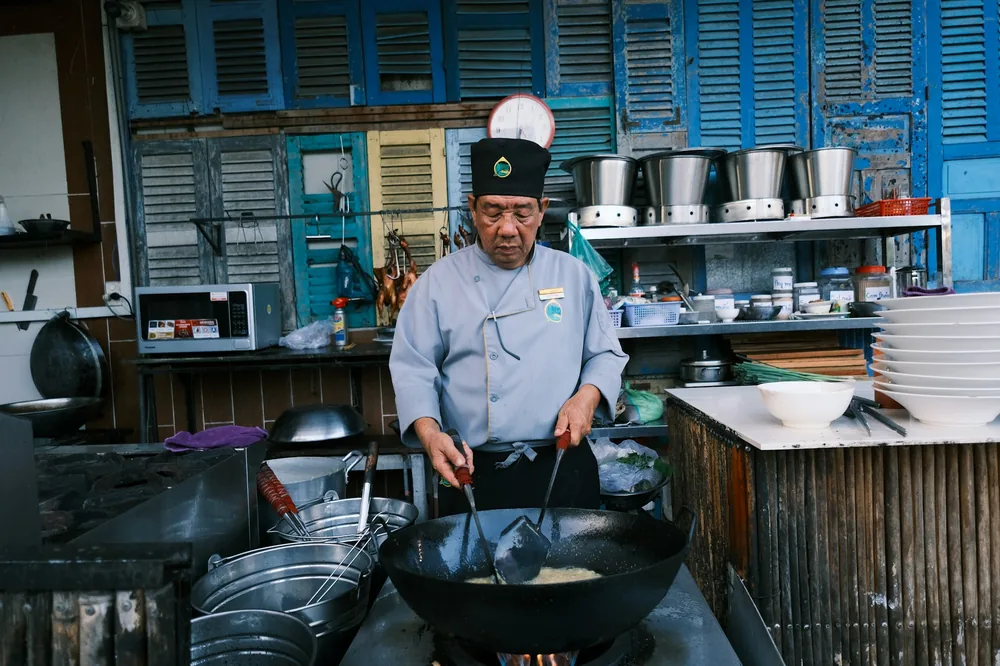
Most stir fried dishes are cooked to order, one at a time, in a couple of minutes. That is what makes changes possible. Nothing is sitting under a lamp waiting, so the heat level, the sauce and often the vegetables are still decisions at the moment you call.
Why a Chinese kitchen can do this
It comes down to how the food is cooked. A stir fry is assembled in the pan in well under two minutes from components that were prepped separately — the protein, the vegetables, the aromatics and the sauce all go in as distinct things.
That means the sauce has not met the food until the last moment, and the chilli goes in as an ingredient rather than as something the dish was marinated in overnight. A kitchen that works this way has more room to vary an order than one that batch-cooks in advance. The guide to why restaurant Chinese food tastes different covers how fast that cooking actually is.
What is usually easy to change
| Request | How it usually goes | Worth knowing |
|---|---|---|
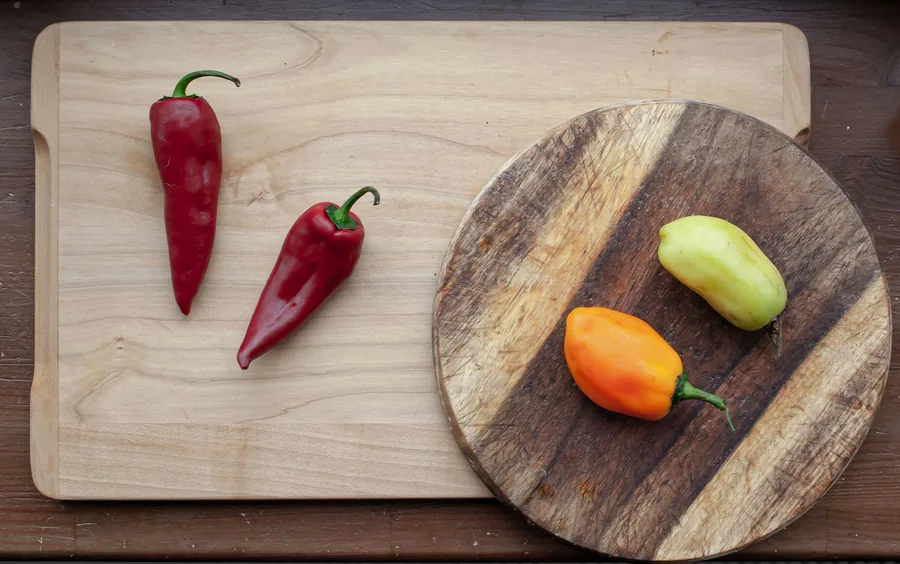
| Less spicy, or no chilli | Usually straightforward | Chilli goes in during cooking |
| Sauce on the side | Usually straightforward | Best request for anything crisp-fried |
| Extra spicy | Usually straightforward | Say how hot you actually mean |
| No onions, no peppers | Often possible | Depends how far ahead it was prepped |
| Swap the rice | Often possible | May carry a small difference |
| Extra vegetables | Sometimes | Ask rather than assume |
The two at the top of that list are the ones worth remembering, because they solve the two most common complaints about takeout: it was hotter than expected, and the fried food went soft on the way home.
Sauce on the side is the underrated one
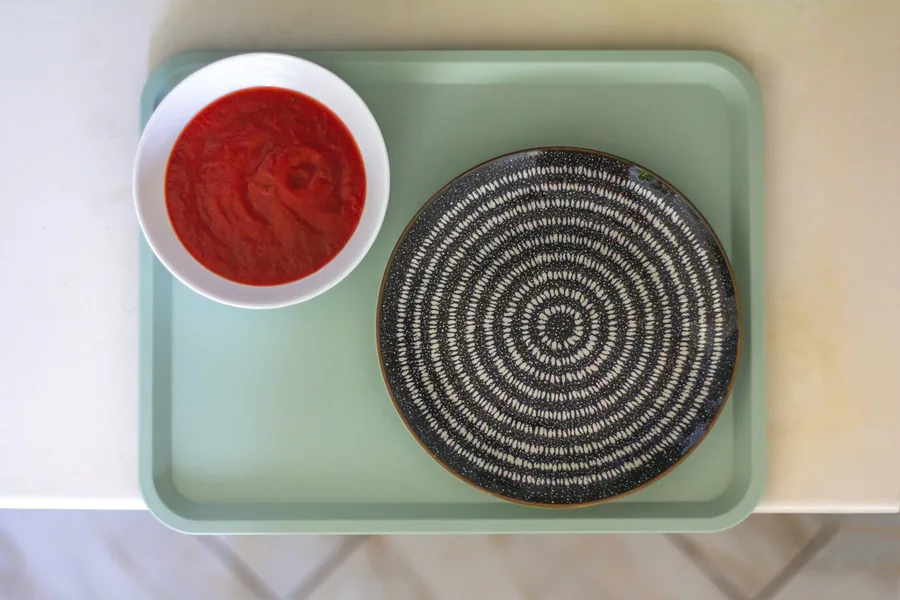
If you order anything battered or crisp-fried — sweet and sour, sesame chicken, General Tso’s — the sauce is what softens the coating in the container. Asking for it separately means you pour it on at the table and the crispness survives.
On this menu the sweet and sour section is already built that way in many kitchens, and the guide to sweet and sour goes into why. It is worth asking for the same treatment on anything else with a coating, particularly if you are more than ten minutes from home. The comparison of delivery and pickup covers which dishes suffer most on the journey.
All of this assumes you are still on the call. Once you have hung up, what can be changed narrows quickly.
What is harder
- Rebuilding a dish. Asking for a different protein in a named dish usually means you want a different dish — and it probably already exists on the menu.
- Changing something pre-assembled. Egg rolls, dumplings and anything battered were made before you called.
- Removing a defining ingredient. Beef with broccoli without the broccoli is beef with sauce, and it is worth saying so out loud before ordering it.
- Guaranteeing an ingredient is absent. A kitchen can leave something out of your dish; that is not the same as the dish being free of it. That distinction matters for allergies.
How to ask so it happens
- Ask when you order, not after. Once it is in the pan it is ninety seconds from being in a box.
- Be specific. “Mild” means different things to different people; “no chilli at all” does not.
- Say it once, clearly, at the start of the item. “Beef with garlic sauce, no chilli” is easier to hear than a change tacked on at the end.
- Write the order down before you call. Most mistakes come from improvising on the phone with four people talking behind you.
- Ask off-peak if it is complicated. A mid-afternoon call gets a more considered answer than one at seven on a Friday.

Requests like these are also why the ordering route matters — and if delivery is involved, what to tip is the other question people are never told the answer to.
Allergies are a different conversation
Everything above is about preference. An allergy is not a preference, and it should not be phrased like one. Say the word allergy, name the ingredient, and ask directly rather than folding it into a list of requests.
Advocacy guidance is consistent on this point: it is worth calling ahead, off-peak, speaking to someone who can answer properly, and asking how the food is prepared rather than only what is in it. The guide to food allergies and Chinese takeout covers the cross-contact question, and ordering vegetarian covers the same approach for animal products.
Reading the menu for what is already adjustable
Some of what people ask for is already on the menu, one line away. The spicy markings tell you which dishes carry chilli by default, so choosing a dish without the marking is often simpler than asking for one to be changed.
The same goes for the sauce. If you like a preparation but not the heat, the same sauce family usually appears in a milder form elsewhere — the guide to Chinese sauces shows which is which, and Szechuan and Hunan covers the words that signal chilli.
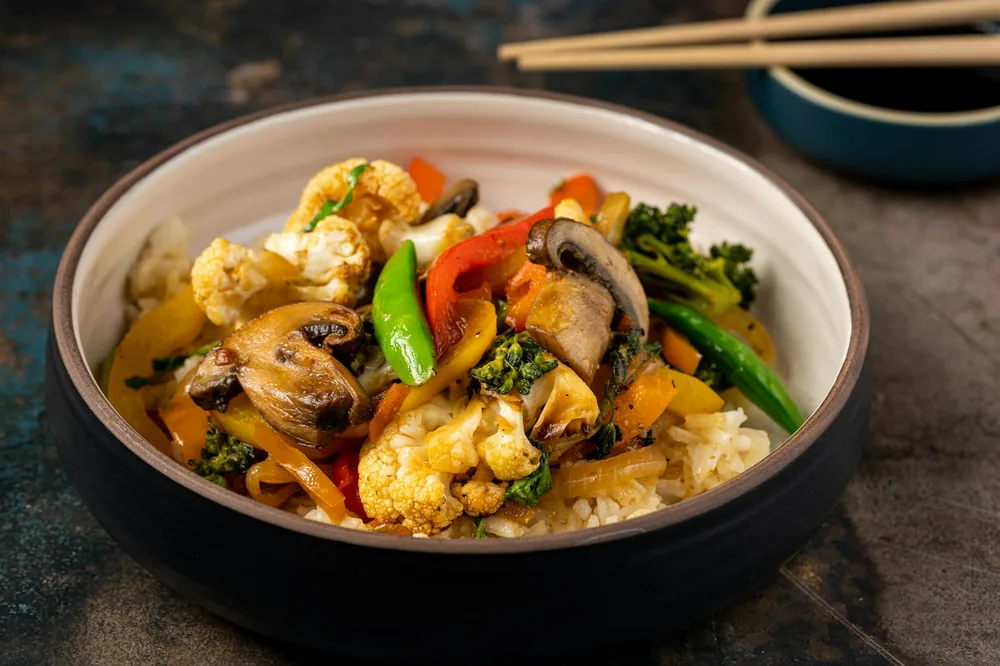
Timing helps as much as phrasing does — the quietest part of the day is when an unusual request gets the most considered answer.
Where to start
Ordering is by phone, so every one of these requests is a sentence rather than a form field. Have the menu in front of you, note the item numbers, and see how pickup and delivery work before you call.
Frequently asked questions
Can you ask for Chinese food to be less spicy?
Usually yes. Stir fried dishes are cooked to order rather than held ready, so the chilli goes in during cooking and can often be reduced or left out. Ask when you place the order rather than afterwards.
Can you get the sauce on the side?
Often, and it is the single most useful request for a crisp-fried dish, because the coating stays crisp on the journey home. Sweet and sour is the classic case.
Can you leave out onions or other vegetables?
Frequently, though it depends on whether the vegetables are prepped into the dish in advance. It is a quick question to ask and the answer costs nothing.
Should I mention an allergy as a preference?
No. If it is an allergy, say so clearly and use the word, because it changes how the kitchen handles your order. A preference and an allergy are treated very differently, and they should be.
The bottom line
Less spicy and sauce on the side are the two requests that change a meal most and are asked for least. Say what you want at the start of the item, be specific about heat, and treat an allergy as its own conversation rather than one more preference.
Ordering is by phone, so any request is just part of the sentence.
See how ordering works