
Chinese menus are written to describe dishes, not ingredients. A name tells you the protein and roughly the preparation, and almost nothing about the sauce, the thickener, the marinade or the oil — which is where allergens most often sit.
This is a guide to asking better questions. It is not a list of which dishes are safe, because no article can tell you that about a particular kitchen.
Where allergens commonly appear
Across Chinese cooking generally — not at any particular restaurant — these are the places worth knowing about, because several of them are invisible on a menu.
Wheat
More widespread than people expect. Wheat appears in noodles and wonton and dumpling wrappers, in the batter on fried dishes, and commonly in soy sauce, which is a base for a great many sauces. A dish with no visible noodles or pastry can still involve wheat through the sauce.
Soy
Soy sauce is foundational to the cuisine, and tofu and bean curd appear across the vegetable section and in soups. Assume soy is present unless told otherwise.
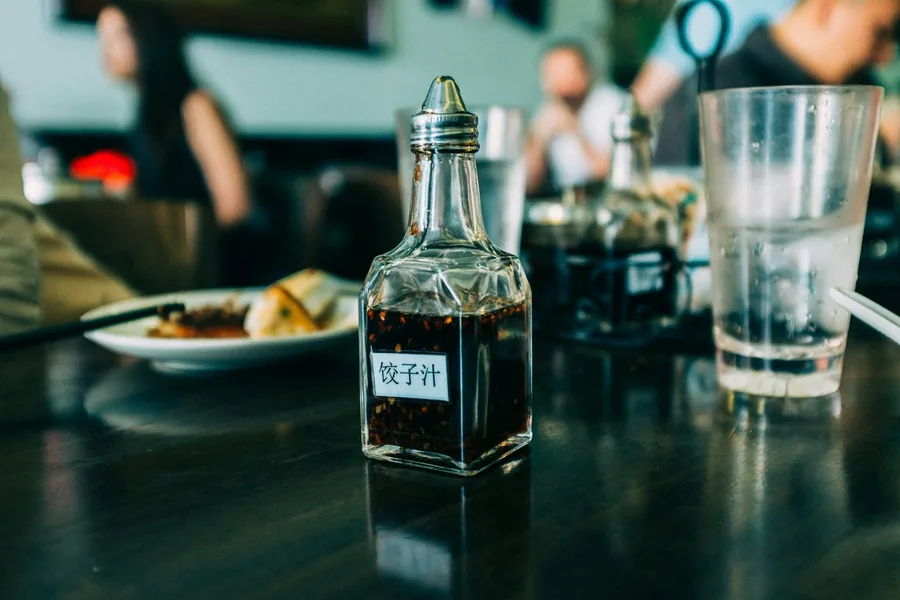
Shellfish
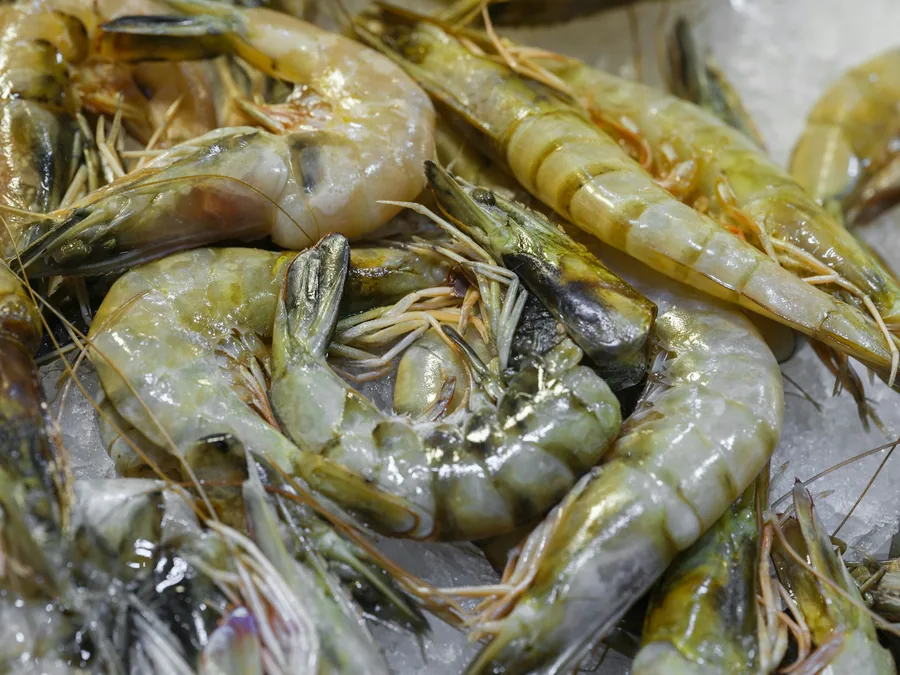
Shrimp appears throughout a Chinese menu, well beyond the seafood section — in house special dishes, in fried rice, in noodle dishes, in egg foo young and in appetizers. Combination and house special versions of dishes very often include shrimp even when the name does not say so.
Peanuts and tree nuts
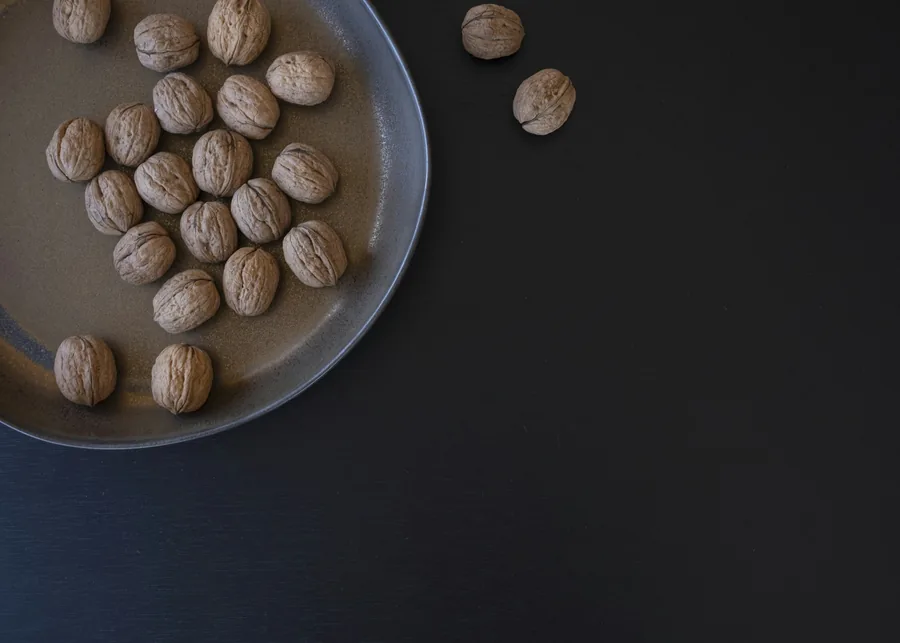
Kung Po and Kung Pao preparations are traditionally made with peanuts. Cashew dishes obviously contain tree nuts, and walnut dishes appear in house special sections. Peanut oil is used in some kitchens as a general frying oil, which is a separate question worth asking.
Egg
Egg is in egg foo young by definition, in fried rice, in egg drop soup, in many noodle doughs and in batters. It is one of the harder ones to avoid across a Chinese menu.
Sesame
Sesame oil is used as a finishing seasoning in many dishes rather than as a cooking oil, which means it can be present in small amounts without appearing anywhere in the name. Sesame seeds appear on sesame chicken and similar dishes.

The cross-contact question
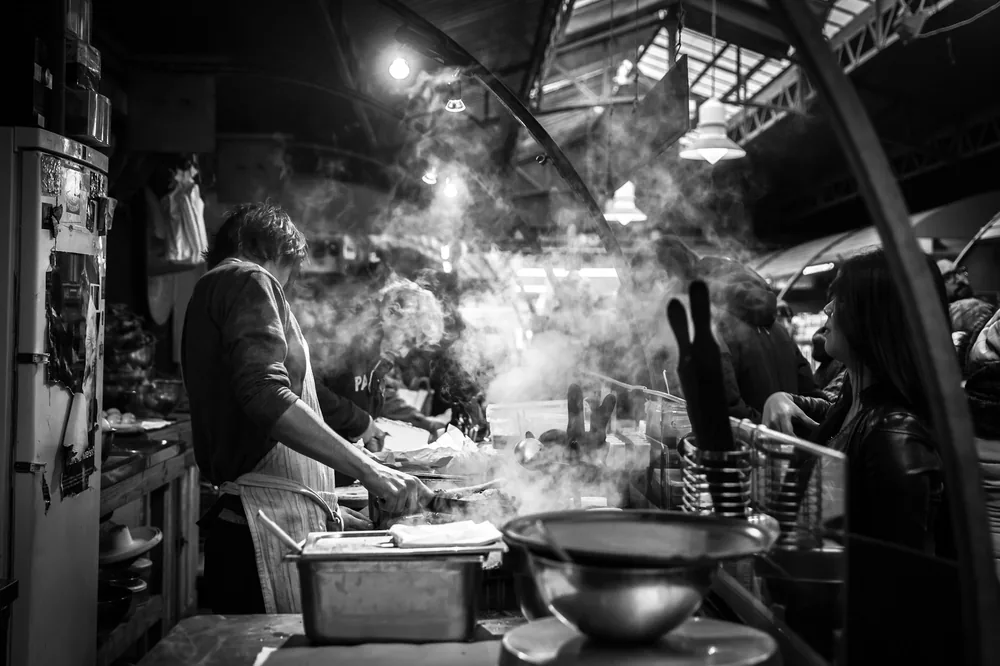
This is the part that catches people out. A busy Chinese kitchen cooks fast, in shared woks, often in shared frying oil, with the same utensils moving between dishes. Even if a recipe contains no allergen, the equipment may have.
That is not a criticism of any kitchen — it is how high-volume wok cooking works. But it means “is there shrimp in this dish?” and “could this dish come into contact with shrimp?” are two different questions, and for a serious allergy the second one matters more.
Questions worth asking
- “Does this dish contain [allergen]?” The starting point, asked about the specific dish rather than the section.
- “What is the sauce made from?” Sauces are where the invisible ingredients live.
- “What oil do you fry in?” Relevant for peanut allergies in particular.
- “Is the wok shared with dishes containing [allergen]?” The cross-contact question, asked plainly.
- “Can this be made without [ingredient]?” Sometimes yes for a stir fry, often no for a pre-made sauce.
- “Can you tell me for certain?” An honest no is a useful answer.
And if something does arrive wrong, what to do about it sets out who to call and the window in which it can still be put right.
Practical habits that help
- Call ahead rather than asking at the counter. A quiet moment before service gets you a better answer than a queue at 7pm.
- Be specific about severity. “I do not love peanuts” and “peanuts send me to hospital” should produce different responses, and staff can only act on what you tell them.
- Ask for sauces on the side where possible, so you control what goes on the food.
- Repeat it at collection. Orders pass through several hands.
- Do not rely on a previous visit. Suppliers and recipes change.

Which parts of a menu carry the most risk
Not every section is equally difficult. Broadly, and as a general pattern rather than a statement about any kitchen:
| Menu area | Commonly involves | Notes |
|---|---|---|
| Appetizers | Wheat, egg, shellfish, soy | Fried items often share oil |
| Soups | Wheat, egg, shellfish, soy | Wonton wrappers and stocks |
| Noodle dishes | Wheat, egg, soy | Rice noodles are not automatically wheat-free once sauced |
| Fried rice | Egg, soy, shellfish | House special versions usually include shrimp |
| Stir fried entrées | Soy, wheat, sesame | Sauce is the usual source |
| House specials | Shellfish, nuts | Combination dishes span several proteins |
The pattern worth taking from that table is that soy and wheat are close to universal through the sauces, and that combination dishes are the ones most likely to contain something not named on the menu.
Where to find the authoritative guidance
Two sources are worth knowing. The US Food and Drug Administration sets out the major allergens recognised in the United States and how they must be labelled on packaged food, and Food Allergy Research & Education keeps plain-language summaries of each one.
Neither replaces asking the restaurant. Labelling rules apply to packaged food rather than to a dish cooked to order, which is exactly why the conversation at the point of ordering matters so much.
The same approach works for anyone avoiding animal products rather than an allergen — ordering vegetarian at a Chinese restaurant covers which ingredients hide in savoury sauces.
What this site can and cannot tell you
The Panda Li’s Kitchen menu lists every dish by name and section, and the guides on this site describe what those dishes generally are. None of that is an allergen statement, and nothing here should be read as one.
If you have a food allergy, call the restaurant on (407) 380-8810 and ask about the specific dish before you order. That is the only reliable route, and it is a completely normal thing to ask.
Frequently asked questions
Which allergens are most common in Chinese food?
Wheat, soy, egg, shellfish, peanuts, tree nuts and sesame all appear commonly across Chinese menus — in sauces, wrappers, batters and cooking oils as well as in the obvious places. That is why dish names are an unreliable guide.
Can I tell from a dish name whether it contains an allergen?
No, and this is the single most important point. Sauces, thickeners, marinades and frying oil are not described in a dish name, and preparations differ between kitchens. Always ask about the specific dish.
Is it worth calling ahead?
Yes. A phone call before a busy service gives the kitchen time to answer properly, which is harder at the counter mid-rush. It also lets you find out early whether they can accommodate you at all.
What should I do if the restaurant cannot confirm?
Take that answer seriously and order something else, or eat elsewhere. A kitchen saying it cannot guarantee something is being honest with you, and that is more useful than a confident guess.
The bottom line
Dish names describe dishes, not ingredients. Wheat, soy, egg, shellfish, nuts and sesame all turn up in places a menu does not mention, and shared equipment is normal. Ask about the specific dish, ask about cross-contact separately, and treat an honest “I cannot be certain” as the useful answer it is.
Questions about a specific dish are best answered by the kitchen directly.
Contact the restaurant