A Chinese takeout menu looks like an easy place to eat without meat. There is a whole vegetable section, tofu in several forms, and vegetable versions of the noodles, the rice and the soup. Mostly that impression is right. The complication is not the dishes — it is the sauces.
The short answer
Start with the vegetable section, then ask about the sauce. The dish names tell you what is in the bowl. They do not tell you whether the sauce was built on oyster sauce or the stock on chicken, and those are the two things worth asking about.
Where to look first
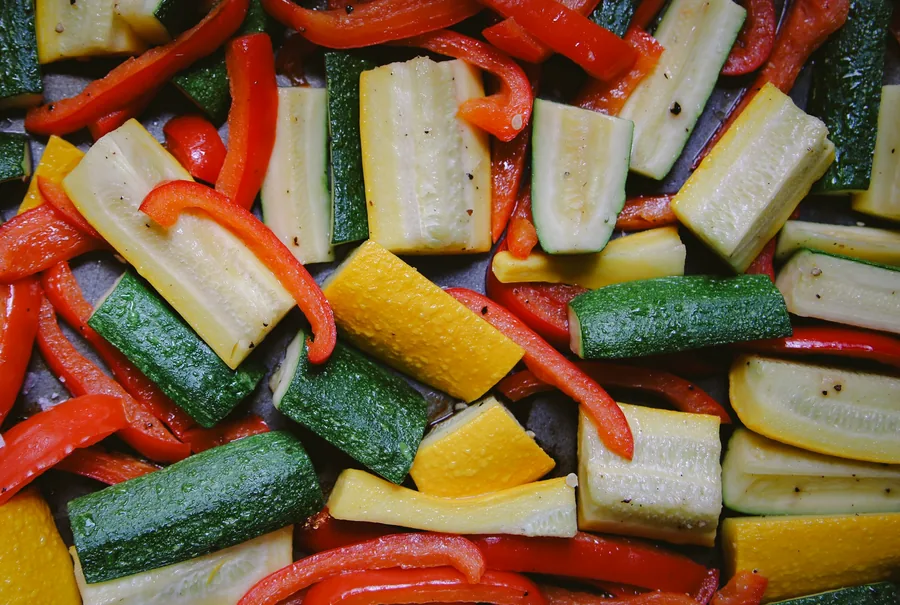
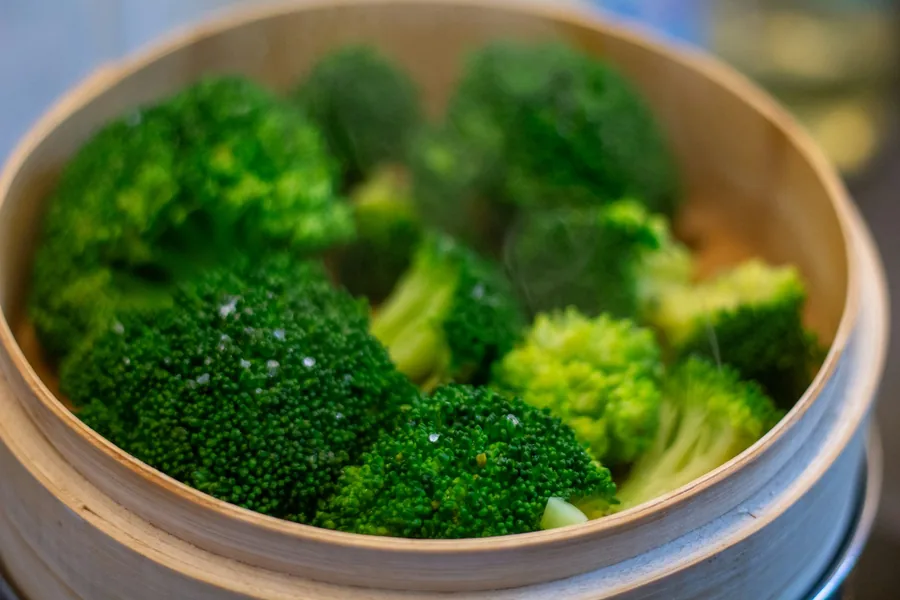
The vegetable section is the obvious starting point, and on this menu it runs to fourteen listings. Vegetable Delight and Sauteed Broccoli are the plainest; Broccoli with Garlic Sauce is the same vegetable in a savoury, spicy sauce.
The tofu dishes sit in the same section: General Tso’s Tofu, Orange Tofu, Curry Tofu and Ma Po Tofu, all marked spicy, plus Buddha’s Delight. The guide to the vegetable and tofu section goes through each of them.
Meat-free options outside the vegetable section
The vegetable section is not the whole story. Several other parts of the menu carry a vegetable version of the same dish, which widens the choice considerably.
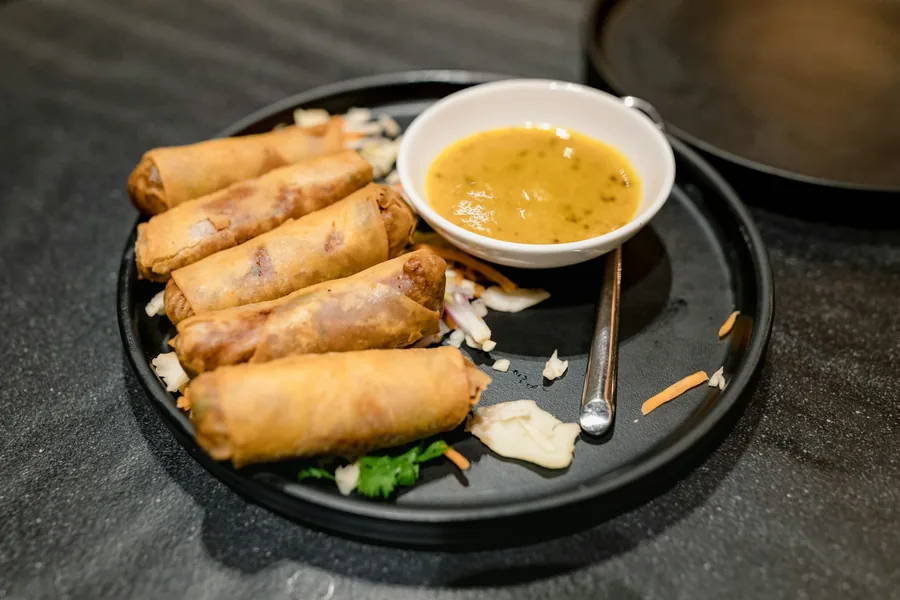
- Vegetable Egg Roll in the appetizers.
- Vegetable Bean Curd Soup in the soups.
- Vegetable Fried Rice, small and large.
- Vegetable Lo Mein, small and large.
- Vegetable Mei Fun in the rice noodle section.
- Vegetable Egg Foo Young — which contains egg, as the name says.
That is enough for a full order without going near the vegetable section at all: a soup, a starter, a noodle dish and a rice dish.
What hides in the sauce
This is the part a menu cannot answer, and it is the part that matters. Four ingredients account for almost every surprise.
| Ingredient | Where it turns up | Why it matters |
|---|---|---|
| Oyster sauce | Savoury brown stir fry sauces | Made from oyster extract |
| Chicken stock | Soups and many sauces | The base of a lot of savoury cooking |
| Fish sauce | Occasionally in savoury sauces | Made from fermented fish |
| Egg | Fried rice, egg foo young, some noodles | Fine for many vegetarians, not for vegans |
Oyster sauce is the one worth knowing about above all. It is a dark, savoury condiment made from oyster extract, and it is a staple of everyday Chinese cooking — which means it can be present in a dish with no seafood in the name at all. The guide to the sauces on a Chinese menu covers what else goes into them.

How to ask so you get a useful answer
The single most common mistake is asking whether something is vegetarian. It is a word that means different things to different people, and a well-meaning yes can still leave stock in the sauce.
- Name the ingredient, not the category. “Is there oyster sauce in this?” gets a clearer answer than “is this vegetarian?”
- Ask about the stock separately. Sauce and stock are different questions.
- Say what you do not eat. “No meat, no fish, no oyster sauce, no chicken stock” leaves nothing to interpretation.
- Ask about egg if you are vegan, because it is in more dishes than people expect.
- Ask at a quiet moment rather than mid-rush, and you will get a better answer.
The Vegetarian Resource Group makes the same point in its guide to food ingredients: be specific about what you do not eat rather than relying on a label, because the same ingredient name can cover both animal and plant sources.

What this site can and cannot tell you
An honest limit. This guide can tell you which dishes have no meat in the name, because that is what the menu says. It cannot tell you what is in any particular sauce or stock at any particular moment, because that is a kitchen question and it can change.
So treat the list above as where to start the conversation, not as a verified vegetarian menu. The same applies to the guide on food allergies and Chinese takeout, which covers the cross-contact question in more detail.
A note on Buddha’s Delight
One dish on the menu carries its vegetarian intent in its name. Buddha’s Delight is a vegetarian dish associated with Buddhist cooking, traditionally made from a long list of vegetables and, in its strictest form, without egg or dairy.
That is the tradition rather than a guarantee about any given kitchen, so it is still worth asking. But it is a good place to start, and it is one of the few dishes on an American Chinese menu that was designed to be meat-free rather than adapted into it.
For delivery there is one more thing worth settling before you call: what is actually expected as a tip.
Building a full order
If you want a template, this works for a table where at least one person does not eat meat, and it does not require anyone else to eat differently.
- A vegetable starter to share.
- One dish from the vegetable section as the meat-free main.
- Vegetable fried rice or vegetable lo mein as the starch, so it is not just a side.
- Whatever everyone else is having, ordered as normal.
For sizing the whole thing, how much to order per person covers the quantities, and ordering for a family covers mixed tables.
Frequently asked questions
Is Chinese food vegetarian friendly?
The menu usually has plenty of meat-free dishes, but whether they are strictly vegetarian depends on the sauces and stocks used, which are not listed on a menu. The vegetable section is the place to start, and the kitchen is the place to confirm.
What should I ask when ordering vegetarian?
Be specific rather than general. Ask whether a dish is made with chicken stock, oyster sauce or fish sauce, and whether it contains egg. Asking “is this vegetarian?” invites a yes that may not mean what you think.
Is oyster sauce vegetarian?
No. It is made from oyster extract, and it is a common base for savoury stir fry sauces, which is why it is the single most useful thing to ask about.
Are vegetable spring rolls vegetarian?
The filling usually is, but the name only tells you what is inside, not what it was fried in or what is in the dipping sauce. Worth asking if it matters to you.
The bottom line
The dishes are there and there are more of them than most people notice. The dish name tells you what is in the bowl; only the kitchen can tell you what is in the sauce. Name the ingredient, ask about the stock separately, and you will get an answer you can rely on.
The vegetable section runs to fourteen listings, in small and large sizes.
See the vegetable section