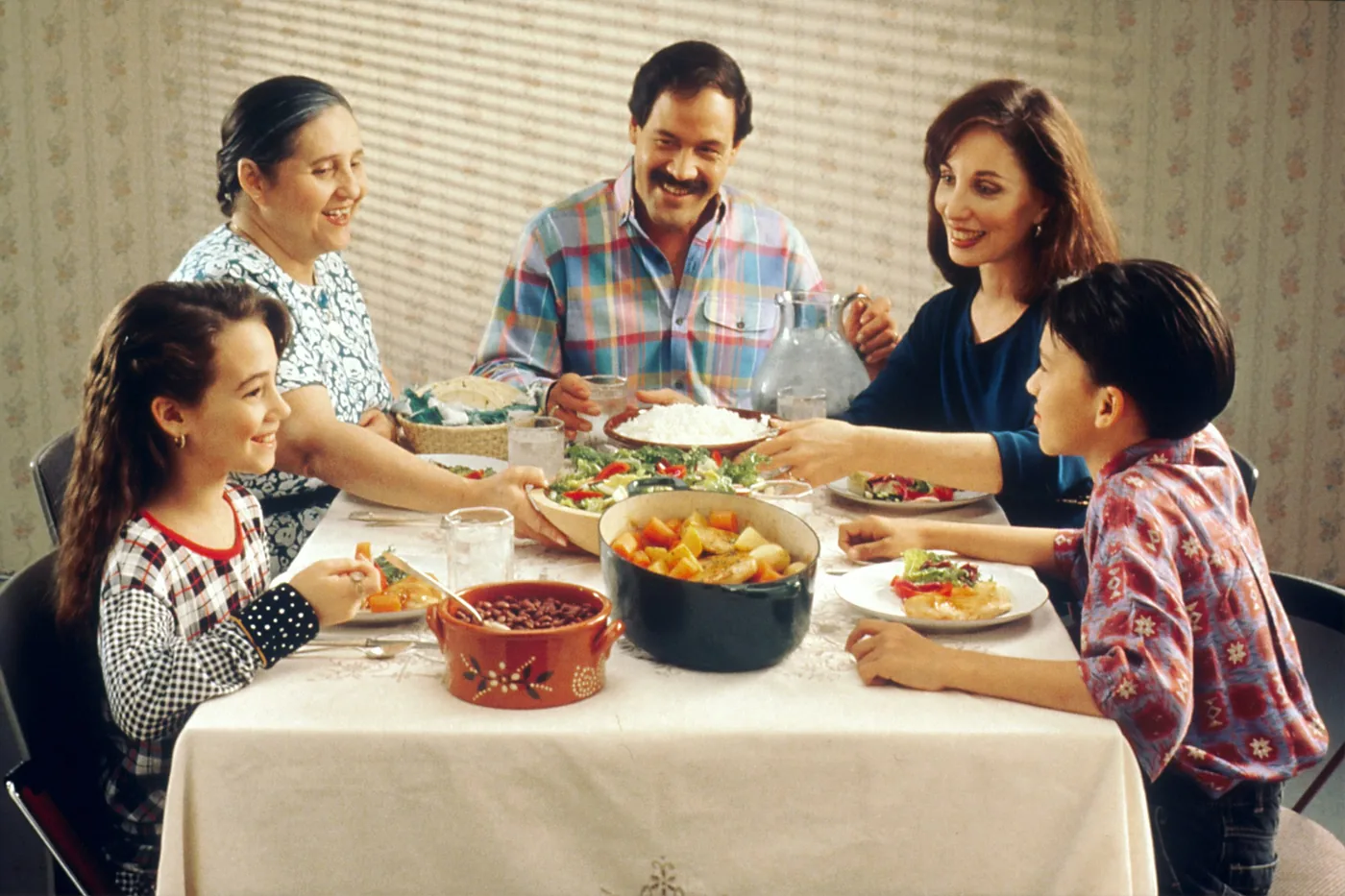
Chinese food should be an easy family order. Everything is shared, portions are generous and most of the menu is mild. The two things that go wrong are ordering heat by accident, and ordering as though children eat the same volume adults do.
The short answer
Build the order around one or two mild entrées and a shared noodle or rice dish, and avoid the six menu words that signal chilli. Two adults and two children usually need two to three entrées total, not four.
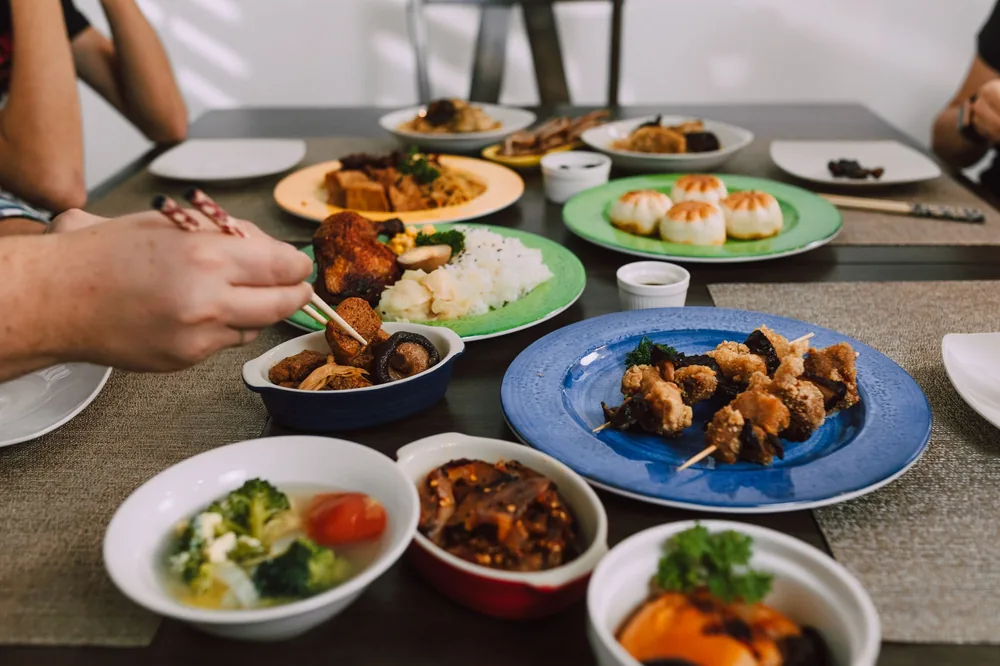
The words that mean spicy
This is the single most useful thing to know when ordering for children. Heat on a Chinese menu is signposted, but not always in obvious language. Six terms carry almost all of it:
- Szechuan and Hunan — both indicate chilli.
- Garlic sauce — sounds mild, usually is not.
- Curry — aromatic, with heat that varies.
- Kung Po — chilli-forward, traditionally with peanuts.
- Ma Po — a Sichuan tofu dish, characteristically hot.
Dishes are also marked spicy on the menu itself, which is the more reliable guide. The full breakdown is in the guide to what those menu words mean.
What usually works for children
Lo mein
Soft noodles, mild sauce, easy to eat. It is the most reliably popular thing on the menu with children and it works as a shared dish rather than one plate each.
Fried rice
Familiar, mild and easy to portion out. The plain and chicken versions are the safest; house special contains several proteins including shrimp.
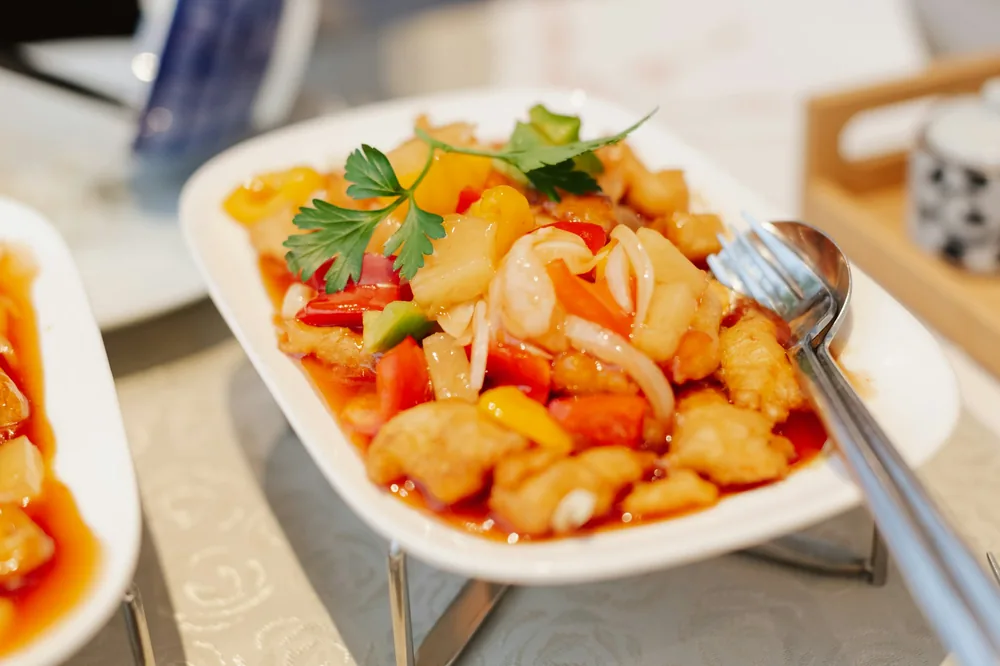
Sweet and sour chicken
Crisp, mildly sweet and usually served with the sauce on the side, so you control how much goes on. That last part matters more than it sounds with cautious eaters.
Chicken with broccoli
Mild, recognisable and gets a vegetable onto the table without a separate dish.
Boneless spare ribs
Easier to eat than the bone-in version and reliably popular from the appetizer list.
The section for children who will not eat Chinese food
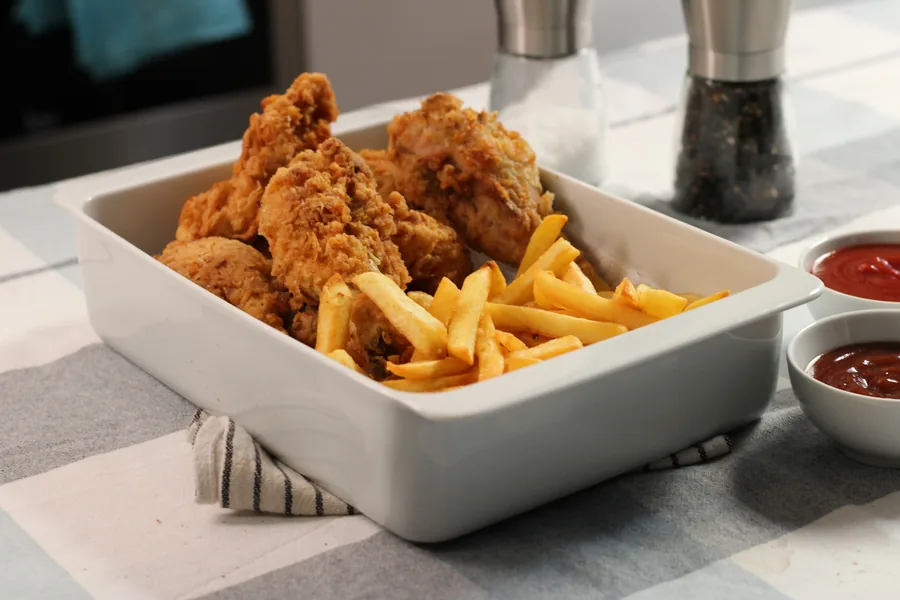
Worth knowing about, because it solves an argument. Most American Chinese menus carry a section of wings, fried shrimp and french fries. On this menu it is called Special Chinese American Dishes, and it lists buffalo wings, fried chicken wings, fried shrimp and fries, available plain or with fried rice.
It is not a compromise anyone needs to feel bad about. One order from that section alongside the rest of the meal means nobody goes hungry and nobody has to negotiate.
How much to order
| Family | Entrées | Shared starch | Appetizer |
|---|---|---|---|
| 2 adults, 1 child | 2 small | 1 small lo mein or fried rice | 1 shared |
| 2 adults, 2 children | 2–3 (mix of sizes) | 1 large shared | 1–2 shared |
| 2 adults, 3–4 children | 3 large | 1 large, plus a second if needed | 2 shared |
| Larger family gathering | 4–5 large | Family size fried rice | 2–3 shared |
The most common error is ordering one dish per person. Chinese food is designed for sharing, so a family of four is usually well served by three dishes rather than four. If you are unsure, the full breakdown is in the guide to how much Chinese food to order per person.
For a larger gathering than one family, organising a group order covers the logistics rather than the menu.
Introducing children to something new
Shared plates make this easier than any other kind of takeaway. Nobody has committed to a dish, so trying one piece of something unfamiliar costs nothing and there is always something else on the table.
The dishes that tend to work as a first step beyond the usual are egg foo young, which is closer to an omelette than anything else on the menu, and moo goo gai pan, which is mild and mostly chicken and mushrooms. Both are unmarked for heat.
Practical things that make it easier
- Ask for sauces on the side where the kitchen can do it. Cautious eaters will try something plain that they would refuse sauced.
- Order one dish nobody has tried. Shared plates are low-risk: if it is not a hit, there are three other things on the table.
- Check for nuts. Cashew and Kung Po dishes are the ones to ask about.
- Get the rice count right. Most entrées already come with white rice, so you may not need to add any.
- Collect rather than deliver if the drive is short. Crisp things stay crisp.
A meal that works for most families
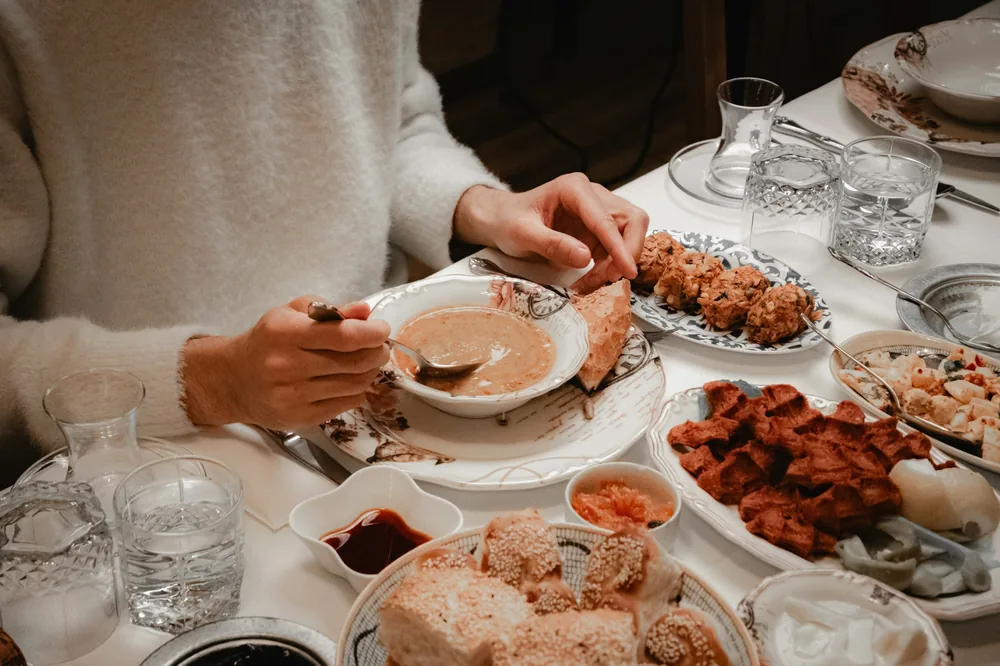
If you want a template rather than a method, this covers two adults and two children without over-ordering:
- One large chicken lo mein, shared
- One large sweet and sour chicken, sauce on the side
- One small chicken with broccoli
- One order of boneless spare ribs to start
That gives noodles, something crisp and sweet, a vegetable and a starter, with only the ribs as a course of its own. Everything else goes in the middle of the table.
Where to look on the menu
The lo mein, fried rice and sweet and sour sections cover most of what children reliably eat. The appetizer section has the boneless ribs and other shareable starters, and the wings and fries section is there when it is needed.
And if the dish everyone wants is marked spicy, that is usually a question rather than a dead end — what a kitchen can change about an order covers what is easy to ask for.
A note on shared eating
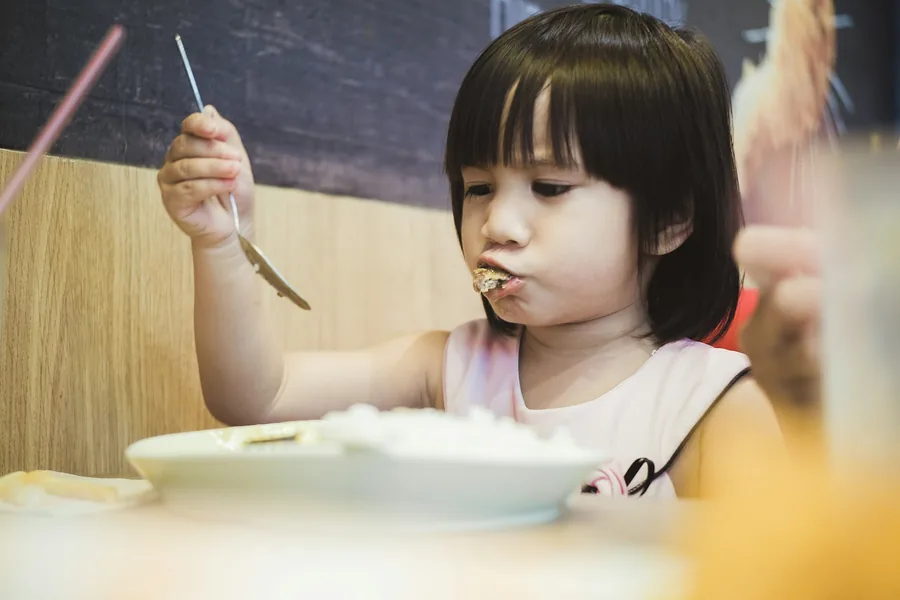
Family-style eating — several dishes in the middle, everyone taking a little at a time — is how Chinese meals are structured, and it happens to suit children well. Nobody is committed to a plate they might not like, and trying one piece of something new costs nothing. The Britannica overview of Chinese cuisine gives background on how that structure developed.
Frequently asked questions
What Chinese food do children usually like?
Mild, familiar textures. Chicken with broccoli, lo mein, fried rice, sweet and sour chicken and boneless ribs are the usual successes. Anything crisp and mildly sweet tends to work.
How do I avoid ordering something spicy by accident?
Look for the spicy markings on the menu and avoid the words Szechuan, Hunan, garlic sauce, curry, Kung Po and Ma Po. Those six terms cover almost every spicy dish on a typical menu.
Is there anything for a child who will not eat Chinese food?
Most Chinese-American menus carry a section of wings, fried shrimp and fries. On this menu it is the Special Chinese American Dishes section, available plain or with fried rice.
How much should I order for two adults and two children?
Two to three entrées plus one shared rice or noodle dish is usually right. Children eat less than adults from shared dishes, so scale closer to three adults than four.
The bottom line
Two or three dishes rather than one each, a shared noodle or rice dish, and avoid the six words that mean chilli. That covers most family orders, and there is a wings-and-fries section for the nights when it does not.
Sizes, sections and spicy markings are all on the current menu.
Browse the full menu