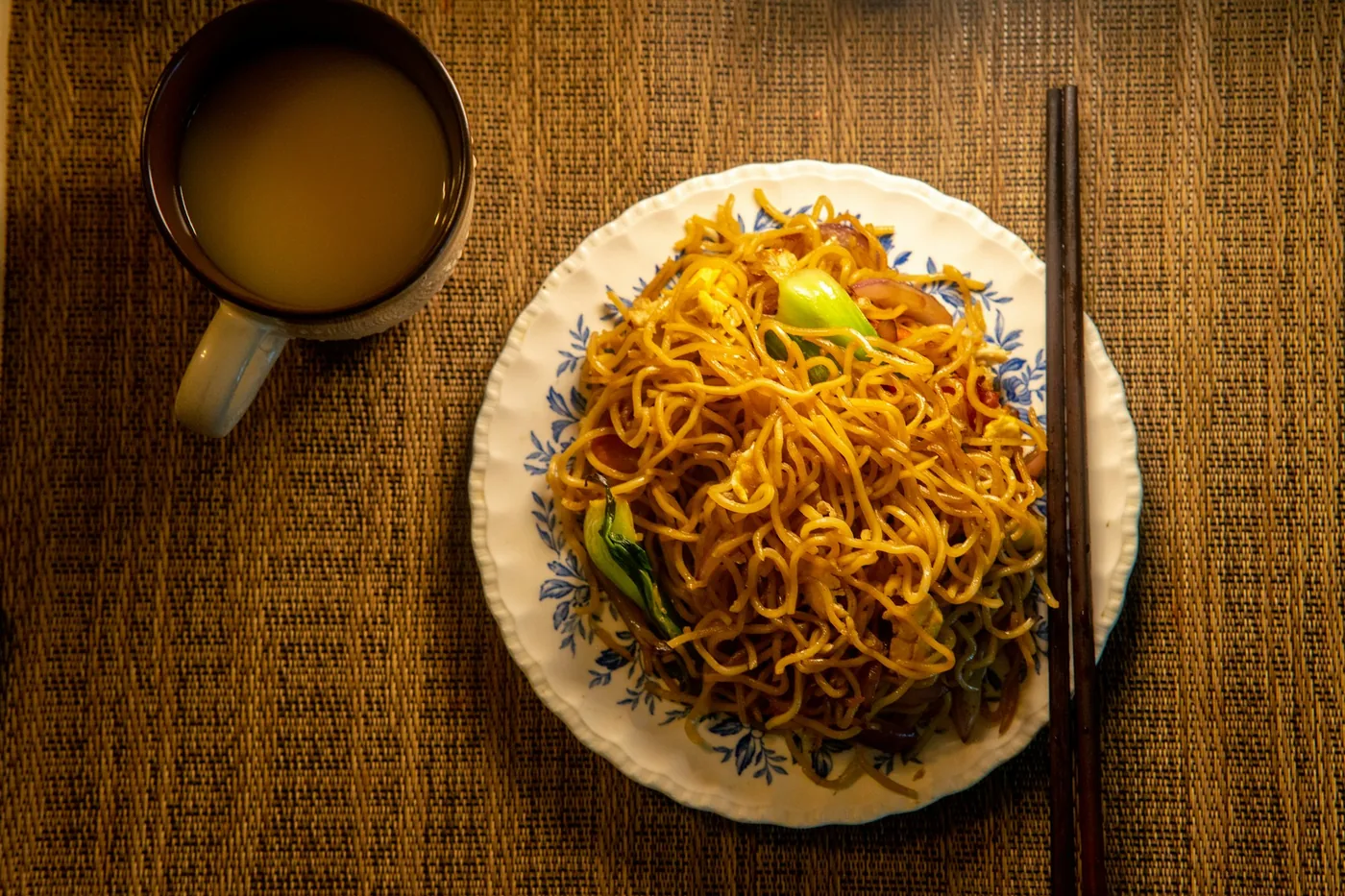
Lo mein is the most ordered noodle dish on most Chinese menus, and it is offered in the same handful of versions almost everywhere. The noodles and the sauce stay constant; the protein is the variable, and it changes the job the dish can do.
The short answer
Chicken and vegetable for a light, shareable noodle dish; beef and seafood when you want the lo mein to carry the meal; house special when it is dinner in one container. Roast pork sits in the middle and is the most traditionally used of them all.
What stays the same
Every version starts with the same soft wheat noodles, boiled and then tossed with sauce, vegetables and the protein. The sauce is light and savoury rather than heavy, and it coats the noodles all the way through — which is what separates lo mein from the drier chow mein and mei fun.
So the difference between one lo mein and another is not the technique. It is what the protein brings.
The versions
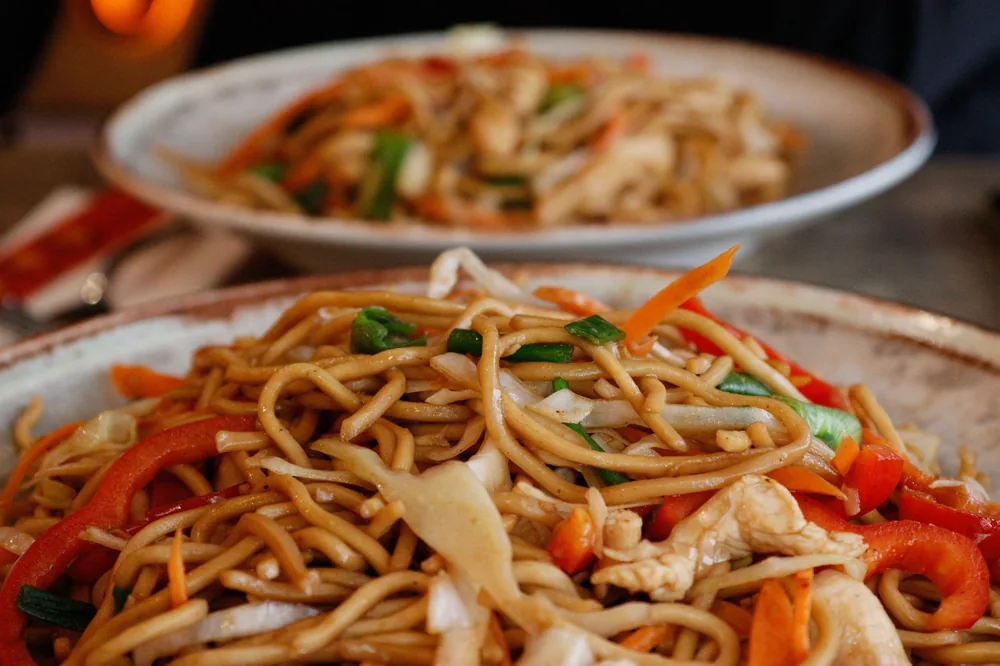
Chicken lo mein
The default, and the mildest. It is the easiest of the group to share across a table where tastes differ, and the most reliable with children.
Roast pork lo mein
The most traditional of the set. Roast pork brings a savoury depth that chicken does not, because the pork is marinated and roasted before it goes anywhere near the noodles.
Beef lo mein
Richer and more assertive. It holds its own next to strongly flavoured dishes, which makes it a better choice when the rest of the table is bold rather than mild.
Shrimp lo mein
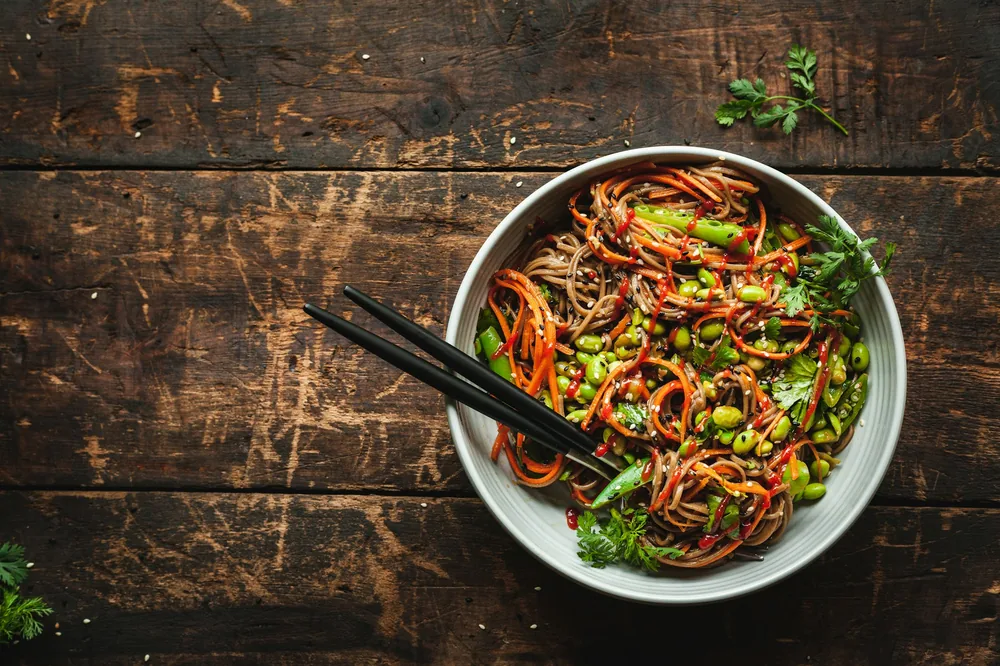
Lighter than the meat versions despite being a step up in price. A good option when you want the noodles to be the meal without it feeling heavy.
Vegetable lo mein
The lightest of the group and the one that pairs most freely with everything else on a table, because it does not duplicate a protein you have already ordered.
House special lo mein
More than one protein in the same dish, typically chicken, roast pork, beef and shrimp. The most substantial version, and the one that genuinely works as a complete meal by itself.
Seafood lo mein
Where a menu lists it separately from shrimp lo mein, it generally combines more than one kind of seafood. The most distinctive version and usually the most expensive.
Choosing by the job it has to do
| What you need | Best choice | Why |
|---|---|---|
| A shared side with other dishes | Vegetable or chicken | Light, and does not duplicate a protein |
| One container as a whole meal | House special | Enough in it to stand alone |
| Something for children | Chicken or vegetable | Mild and easy to eat |
| Depth of flavour | Roast pork | Pre-roasted pork brings more than plain chicken |
| To match a bold table | Beef | Holds its own alongside strong flavours |
| Something lighter | Shrimp | A step up without the weight |
The mistake worth avoiding
Ordering a lo mein with the same protein as your entrée. Chicken lo mein alongside chicken with broccoli gives you two chicken dishes and a narrower meal than you intended, and it happens easily when several people order separately.
If the table already has the proteins covered, vegetable lo mein is almost always the better pick. The guide to how much to order per person covers balancing an order across sections.
Small or large?
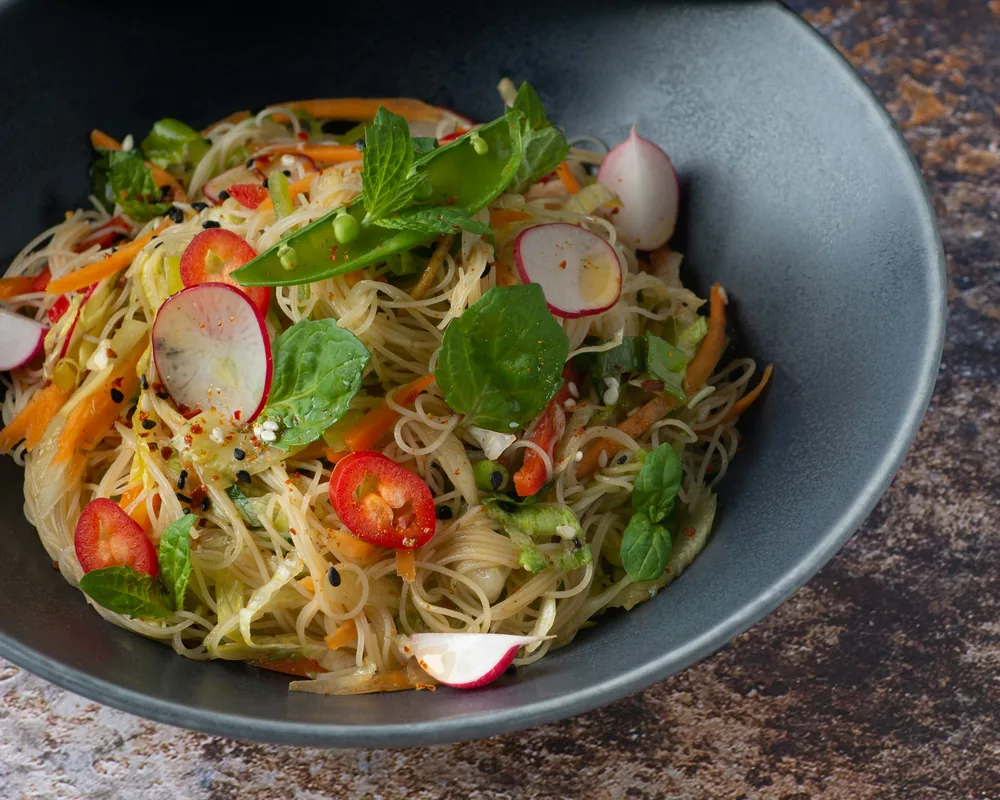
Lo mein is sold in both sizes on most menus, and the difference matters because it is so often shared. A small suits one person eating it as a meal. A large is right for two people sharing it as a side, or for a table of three or more where it sits in the middle.
Unlike most entrée sections, lo mein does not come with rice — the noodles are the dish. That is worth remembering when you are counting how much starch is arriving. The comparison of white rice and fried rice covers which sections include what.
What to order alongside it
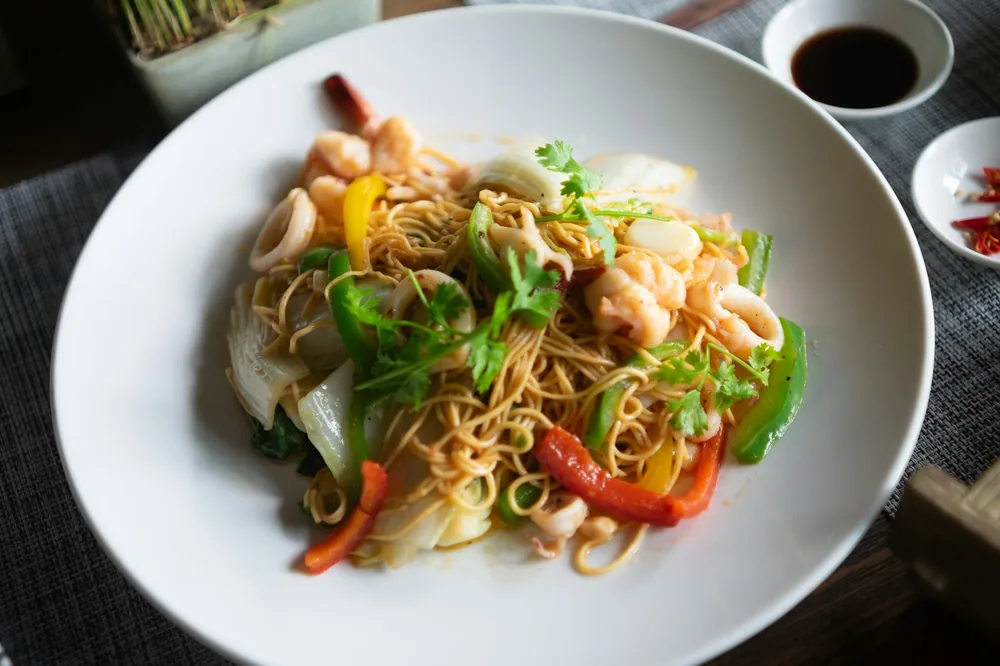
Lo mein is already seasoned, which shapes what works next to it. A heavily sauced entrée alongside a saucy noodle dish makes for a meal that tastes broadly the same throughout.
- Good pairings: a dry or crisp dish such as salt and pepper shrimp, a vegetable stir fry, or a clear soup to start.
- Harder pairings: another noodle dish, or two sweet sauced dishes such as sweet and sour alongside orange chicken.
- Remember the rice: most entrée sections already arrive with white rice, so a lo mein on top of two entrées means a lot of starch.
How it travels
Well, which is part of why it is so widely ordered. The sauce keeps the noodles from drying out, and lo mein reheats acceptably in a pan with a splash of water. It is one of the more forgiving things on a Chinese menu for a delivery order or for the next day.
The guide to storing and reheating leftovers covers the method, and the comparison of delivery and pickup covers which dishes suffer most in transit.
Where to find them
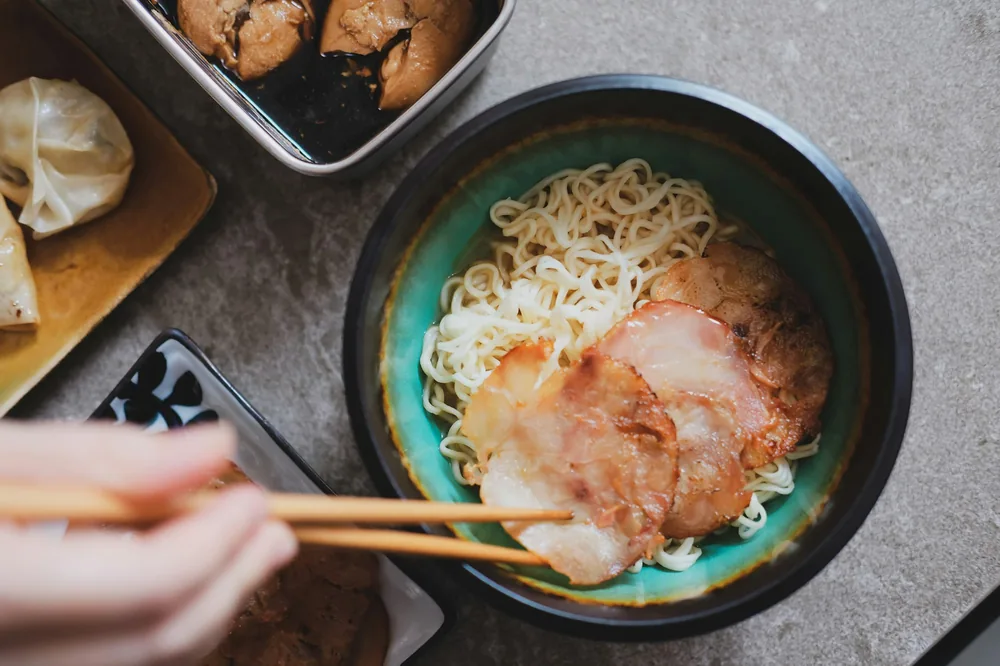
The lo mein section at Panda Li’s Kitchen lists seven varieties — chicken, roast pork, beef, shrimp, vegetable, house special and seafood — in small and large sizes, described on the menu simply as soft noodles.
If you would rather have rice, the fried rice section offers a similar range, and the guide to which fried rice to order works through that choice the same way.
A note on the noodle
Lo mein means tossed noodles, and the name describes the technique rather than the ingredients. The background on lo mein covers how the dish relates to the wider family of Chinese noodle preparations.
Frequently asked questions
What is the difference between chicken and beef lo mein?
The protein and, as a result, the weight of the dish. Chicken lo mein is milder and lighter; beef lo mein is richer and stands up better next to strongly flavoured dishes on the same table.
What is house special lo mein?
Lo mein made with more than one protein rather than a single one — usually a combination of chicken, roast pork, beef and shrimp. It is the version that works best as a complete meal on its own.
Is seafood lo mein different from shrimp lo mein?
On menus that list both, seafood lo mein generally combines more than one kind of seafood while shrimp lo mein uses shrimp alone. The Panda Li’s Kitchen menu lists both.
Which lo mein is best for children?
Chicken or vegetable. Both are mild, and the soft noodles are among the easiest things on a Chinese menu for younger children to eat.
The bottom line
Vegetable or chicken when it is sharing duty, house special when it is the whole meal, beef or seafood when you want it to carry weight. And check what proteins are already on the table before you pick.
Seven lo mein varieties, in small and large sizes.
See the lo mein section