Ordering Chinese food generally means having leftovers, which is part of the appeal. What happens to those containers between dinner and lunch the next day decides whether the second meal is as good as the first — and, more importantly, whether it is safe.
The short answer
Refrigerate within two hours, keep it three to four days, and reheat with dry heat rather than a microwave wherever crispness matters. Fried rice comes back best in a hot pan; battered and fried dishes need an oven or air fryer; saucy stir fries are the only things a microwave handles well.
Storing it properly
The single most important step happens before you think about reheating at all. Food safety guidance from the US Food and Drug Administration is clear on the basics: perishable food should not sit at room temperature for more than two hours, and the refrigerator should be at or below 40°F.
- Get it in the fridge within two hours. That includes the time it spent travelling home.
- Move it out of the paper bag. Containers stack better and chill faster when they are not insulated by a bag.
- Separate rice from sauce if you can. Rice absorbs sauce overnight and turns heavy.
- Three to four days. That is the standard guidance for cooked leftovers.
- When in doubt, throw it out. Smell is not a reliable test.
A note on rice specifically
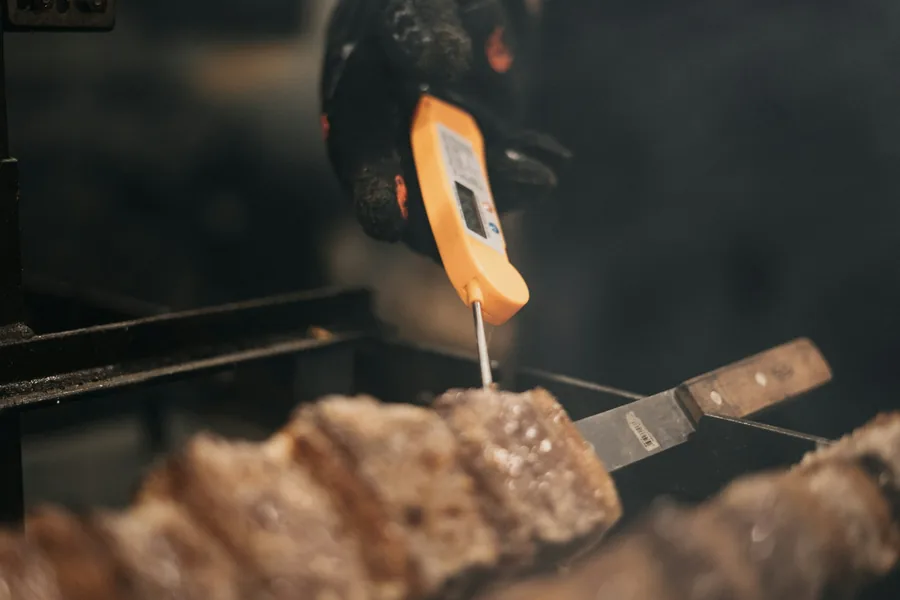
Cooked rice deserves more care than most leftovers. It is one of the foods public-health agencies single out for prompt cooling, because bacteria can survive cooking and multiply if rice is left at room temperature for long periods.
In practice that means the same rule, applied strictly: rice into the fridge within two hours, not left on the counter overnight, and reheated thoroughly rather than warmed through.
Which reheating method for which dish
This is where most of the quality is won or lost. The method should match what the dish is, not what is quickest.
| Dish | Best method | Why |
|---|---|---|
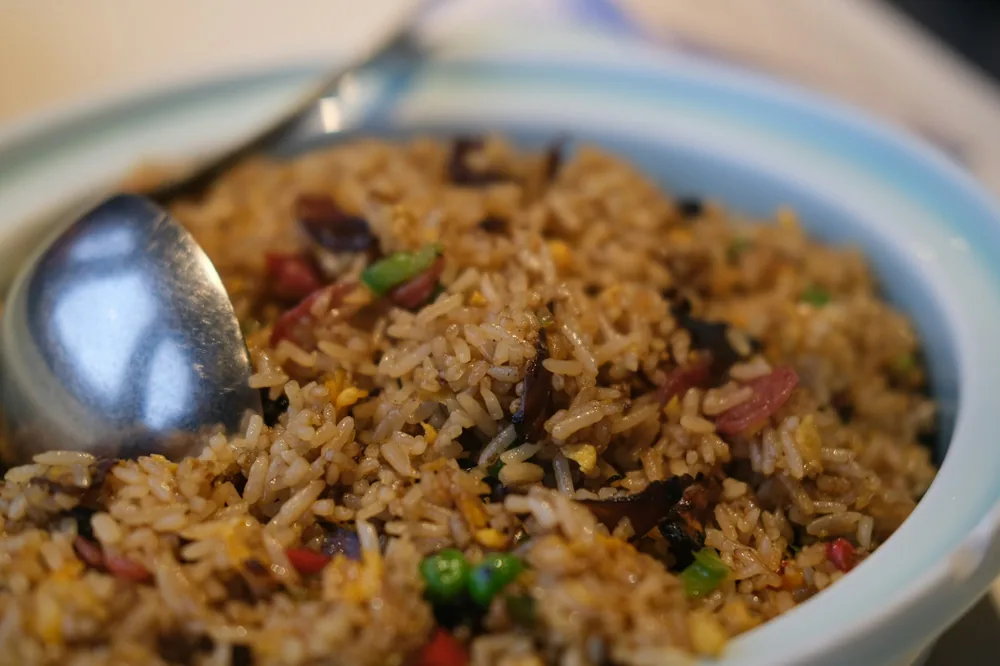
| Fried rice | Hot pan or wok | Separates the grains again; a microwave steams them together |
| Lo mein and other noodles | Pan with a splash of water | Loosens noodles that have set solid |
| Crisp-fried chicken | Oven or air fryer | Drives off the moisture that made the coating soft |
| Egg rolls and fried wontons | Oven or air fryer | Restores the shell; a microwave ruins it |
| Saucy stir fries | Microwave or pan | Sauce protects the food, so either works |
| Soup | Pan on the stove | Heats evenly and can be brought to a proper simmer |
| Egg foo young | Pan, gravy separately | The patty crisps; the gravy warms through |
The pan method, in detail
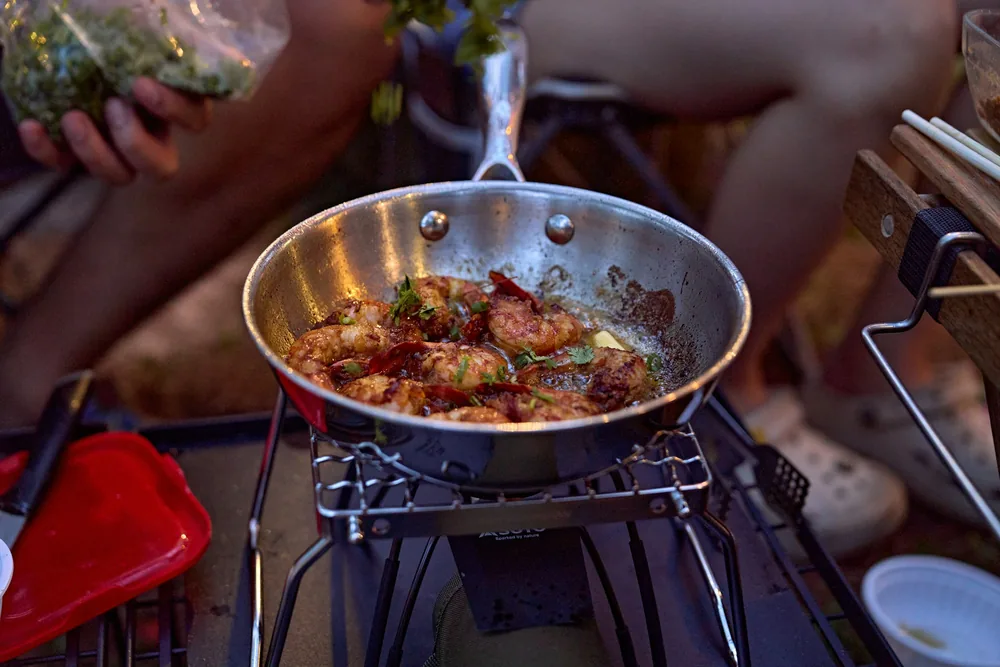
For rice and noodles, this takes about three minutes and is worth the washing up. Heat a little oil in a pan over a medium-high heat, add the food, and keep it moving. If it looks dry, add a tablespoon of water and let the steam do the work before it evaporates off again.
The aim is to drive moisture off rather than add it. That is the whole difference between reheated fried rice that tastes like fried rice and reheated fried rice that tastes like a damp compromise.
The oven method, in detail
Anything with a coating — General Tso’s chicken, sweet and sour, egg rolls, fried wontons — needs dry heat. Spread the pieces on a tray so they are not touching, and give them long enough at a moderate heat to crisp rather than a short blast at a high one.
An air fryer does the same job faster if you have one. Either way, do not crowd the tray or basket; air needs to move around the food for the coating to firm up.
When the microwave is fine
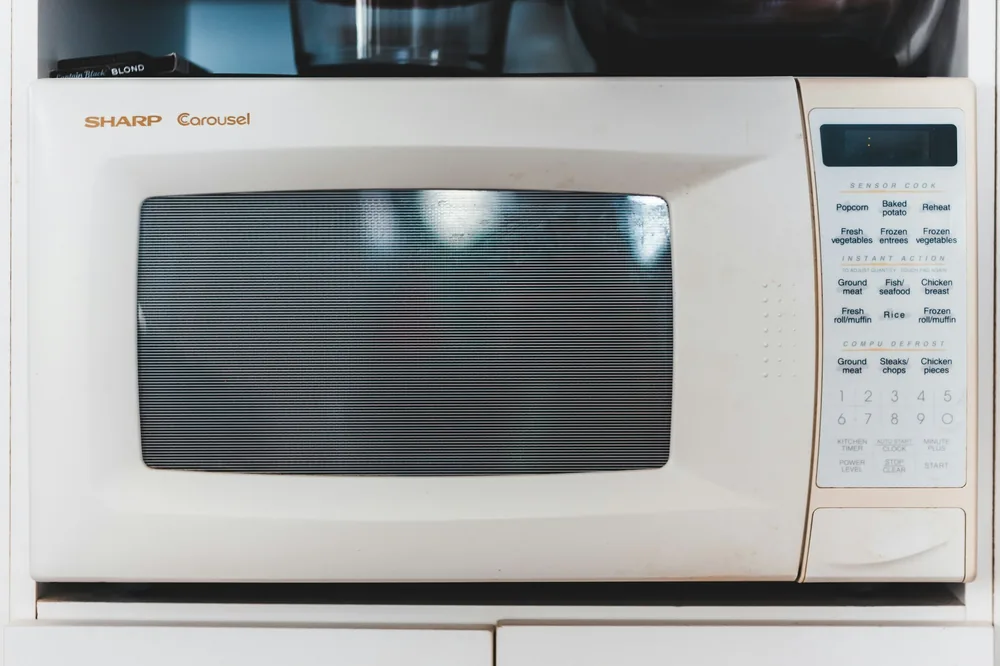
It gets an unfair reputation. For anything already wet — a saucy beef dish, chop suey, a curry sauce entrée — the microwave is genuinely the right tool, because there is no crispness to lose and the sauce protects the food from drying out.
- Use a lower power setting and a longer time rather than full power.
- Cover the container loosely so steam can escape.
- Stir halfway through; microwaves heat unevenly.
- Heat it thoroughly rather than just taking the chill off.
The containers matter too — which packaging can be recycled comes down to one rule.
Reheat only what you will eat
It is tempting to reheat the whole container and put back what you do not finish. Avoid it. Each cycle of cooling and reheating adds an opportunity for bacteria to grow, and the food loses quality every time. Take out the portion you want and leave the rest cold.
What freezes and what does not
Not everything is worth freezing, but some dishes hold up well. Rice and saucy stir fries freeze reasonably. Noodles become soft and lose their texture. Anything battered and fried does not survive the process in a state worth eating.
If you are going to freeze, do it on the day you get the food rather than on day three, and portion it before freezing so you are not thawing more than you need.
The container matters as much as the fridge does. The story of the folded white box covers which packaging suits which dish, and why fried food suffers most.
Ordering with leftovers in mind
If you know you will be eating half of it tomorrow, some dishes are better bets than others. Saucy entrées and fried rice reheat well. Crisp-fried dishes are best eaten the same evening. Soup is the item that suffers least of all.
The guide to how much to order covers sizing, and if you are deliberately ordering for two meals, the large sizes on the full menu are the ones to look at.
Frequently asked questions
How long does Chinese food last in the fridge?
Food safety guidance from the US Food and Drug Administration puts cooked leftovers at three to four days in a refrigerator held at or below 40°F. That applies to Chinese takeout the same as anything else. If you are not sure how long it has been there, throw it out.
Can you reheat Chinese takeout more than once?
It is best not to. Each cycle of cooling and reheating gives bacteria more opportunity to grow, and the food deteriorates in quality as well. Reheat only the portion you intend to eat.
What is the best way to reheat fried rice?
A hot pan. A little oil, high heat and a few minutes of stirring will separate the grains again in a way a microwave cannot. Add a splash of water if it has dried out in the fridge.
Why does reheated Chinese food go soggy?
Anything battered or fried loses its crispness as steam is trapped inside the container. An oven or air fryer drives that moisture off again; a microwave adds to it.
The bottom line
Fridge within two hours, eat within three to four days, and match the reheating method to the dish. A pan for rice and noodles, an oven for anything crisp, and the microwave only for things that are already saucy.
It also explains why leftovers never quite match the first serving. The seared, faintly smoky quality that comes from a restaurant wok is the first thing to fade in a sealed container — why restaurant Chinese food tastes different covers where it comes from in the first place.
Large sizes are the ones to order if tomorrow’s lunch is part of the plan.
See the full menu