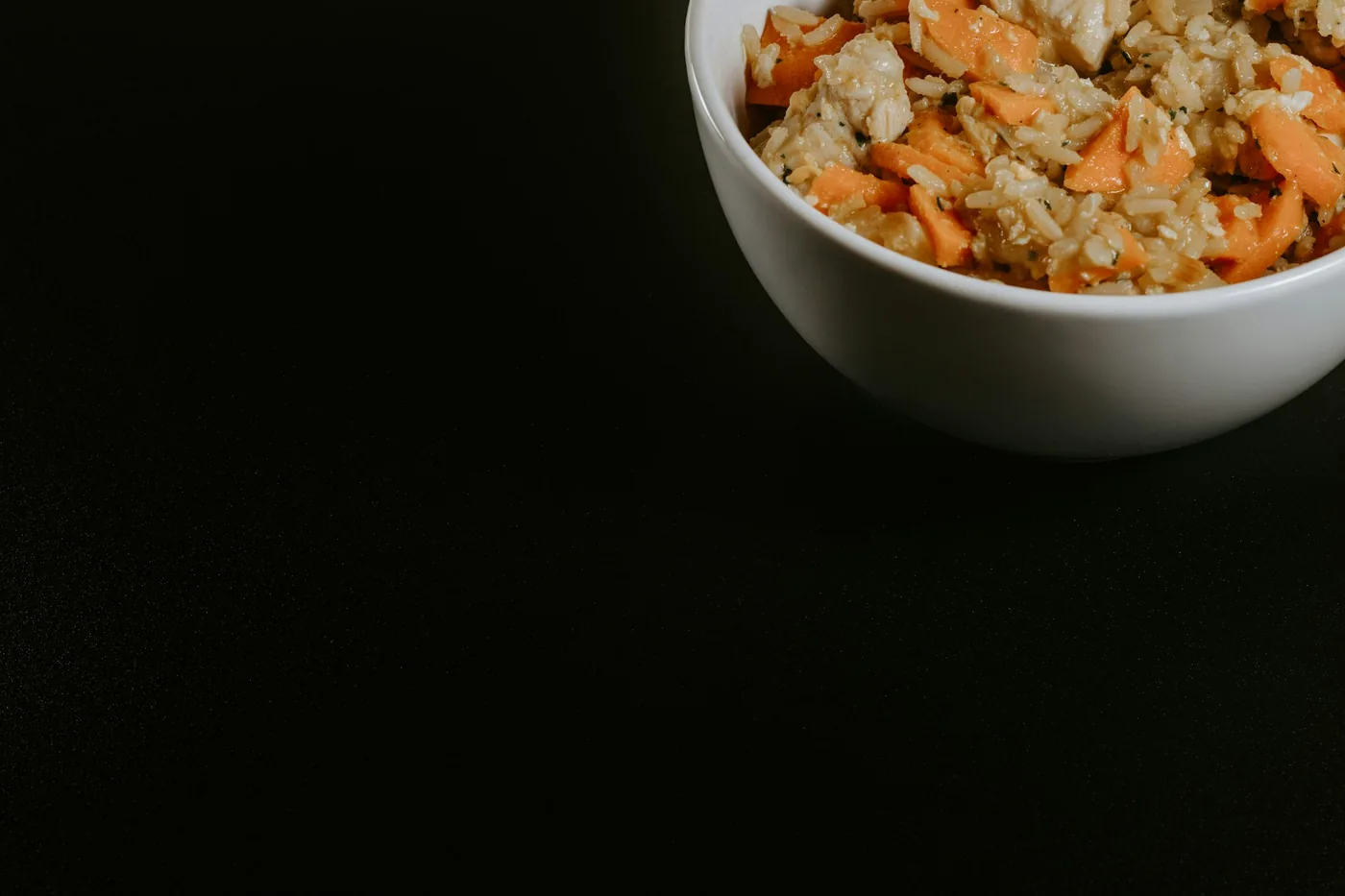
The fried rice section is one dish repeated with different proteins, which makes it look like a choice that barely matters. It matters more than it looks, because the versions do quite different jobs on a table.
The short answer
Order plain or vegetable fried rice when it is the accompaniment, and house special when it is the meal. The single-protein versions sit in between: substantial enough to eat alone, light enough to share.
What they all have in common
Every version starts the same way. Cooked, cooled rice goes into a very hot wok with egg and aromatics, and is kept moving so the grains separate rather than clump. The protein and any vegetables are folded through, and the seasoning is light by design.
That is why fried rice is drier and less strongly flavoured than a sauced entrée — it is built to sit alongside other dishes rather than to compete with them.
The versions, one by one
Plain fried rice
No meat, minimal additions. The lightest option and the most flexible: it goes with everything on the table and does not duplicate a protein you have already ordered elsewhere.
Vegetable fried rice
Plain with vegetables folded through. Slightly more substantial, still light enough to be a side, and the version to order when someone at the table is avoiding meat.
Pork fried rice
The traditional default, made with roast pork. It is the version bundled into the lunch and dinner specials on most menus, which tells you something about how well it partners other dishes.
Chicken fried rice
The mildest of the meat versions and the most reliably popular with children. Straightforward and hard to dislike.
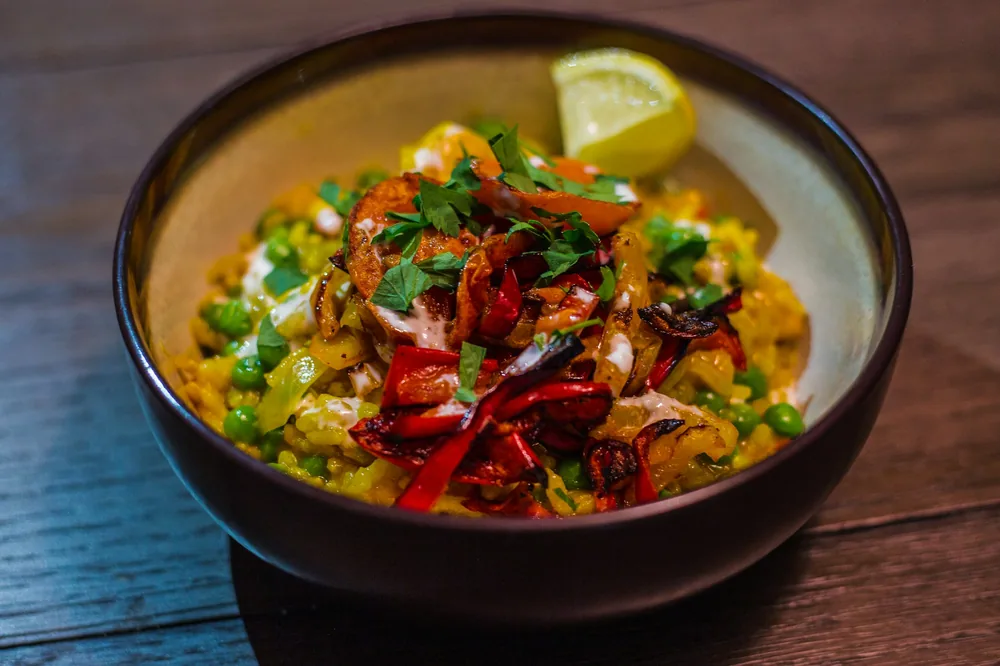
Shrimp fried rice
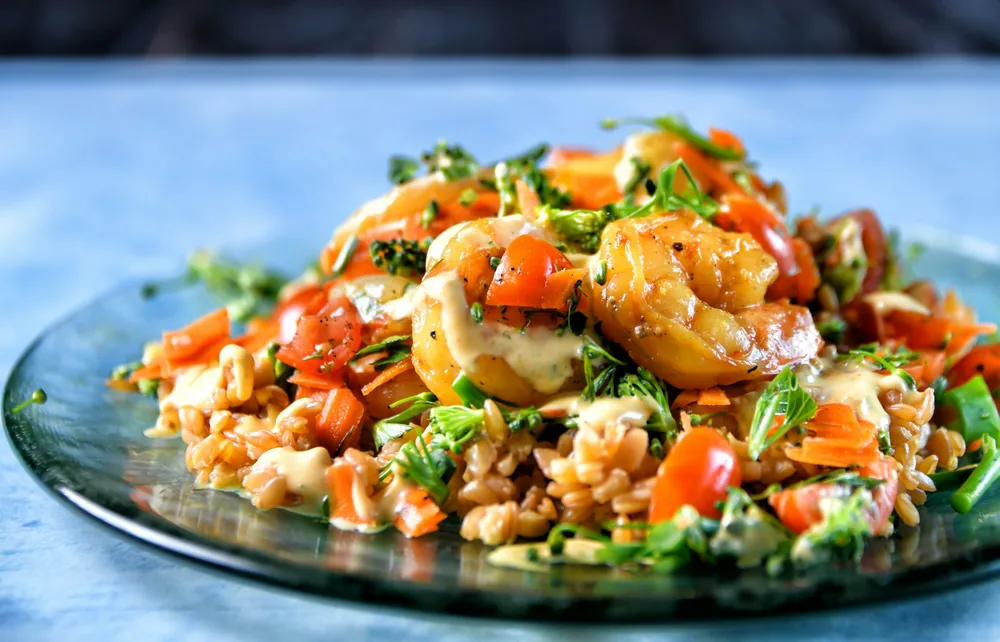
A step up in both flavour and price. Worth ordering when the fried rice is going to be the main event rather than a side, because the shrimp is the point.
Beef fried rice
Less common and more assertive. Useful if the rest of the table is mild, because it brings something of its own.
House special fried rice
More than one protein — typically chicken, roast pork, beef and shrimp together. The most substantial version and the one that genuinely works as a complete meal in one container.
Choosing by what it has to do
| Job on the table | Best choice | Why |
|---|---|---|
| Shared side with several entrées | Plain or vegetable | Does not duplicate a protein you already have |
| A meal on its own | House special | Enough in it to stand alone |
| Feeding children | Chicken or plain | Mild and familiar |
| A meat-free option on the table | Vegetable | The straightforward choice |
| A treat | Shrimp | The most distinctive of the single-protein versions |
| Feeding a crowd | Family size | Sold by the half gallon and gallon on this menu |
The mistake worth avoiding
Ordering a meat fried rice alongside entrées made with the same meat. Chicken fried rice next to chicken with broccoli and a chicken lo mein makes for a monotonous table, and it is a surprisingly easy trap to fall into when everyone orders separately.
If the table already has two or three proteins covered, plain or vegetable fried rice is almost always the better choice. The guide to how much Chinese food to order per person covers balancing an order across sections.
Small or large?
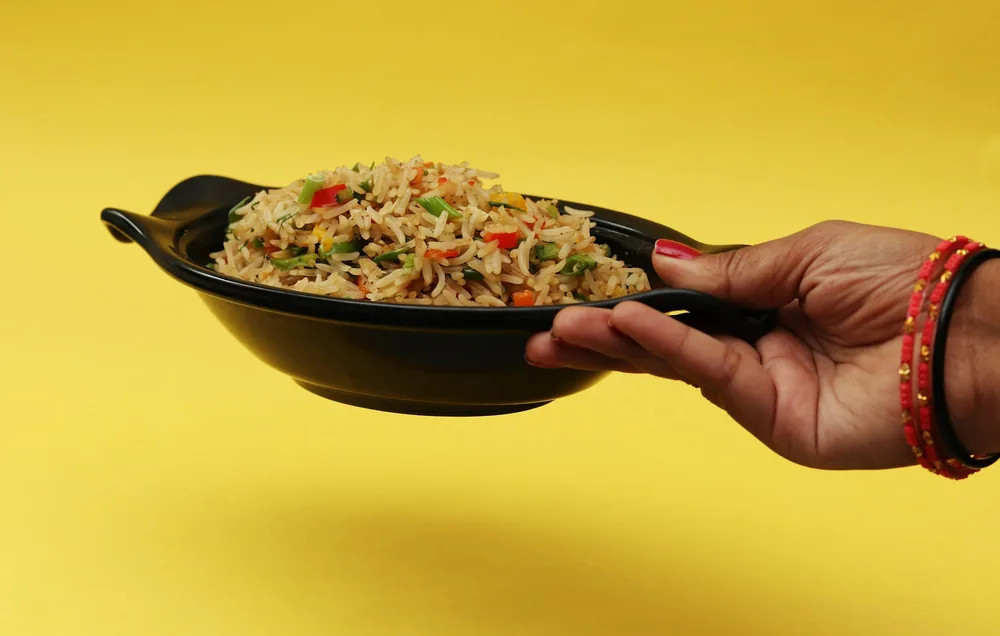
Fried rice is one of the dishes where the size decision matters most, because it is so often shared. A small suits one person eating it as a meal, or two people treating it as a side alongside entrées.
A large is the right call for a table of three or more, and it is the version that makes fried rice work as the centre of an order rather than an afterthought. Beyond about six people, the family sizes are the sensible option — this menu lists Family Fried Rice by the half gallon and by the gallon.
Do you need fried rice at all?
Often not. Most entrée sections on this menu — beef, chicken, pork, seafood, vegetables, sweet and sour, chop suey, chow mein and egg foo young — are listed as served with white rice by default, and the lunch and dinner specials include pork fried rice.
So before adding a large fried rice, check what is already coming. The comparison of white rice and fried rice works through exactly which sections include what.
What makes a good fried rice
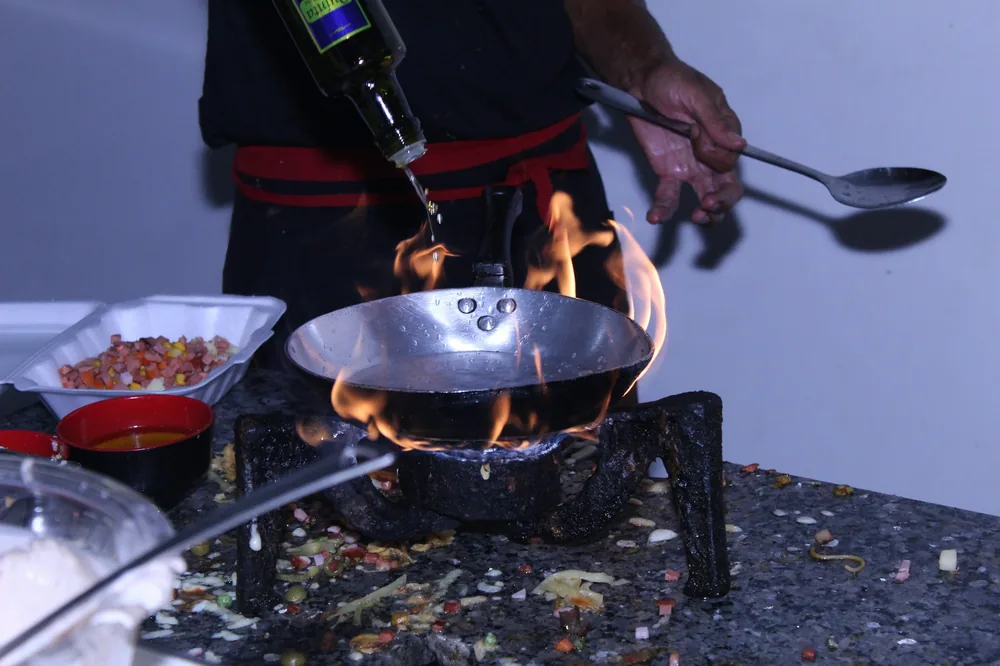
The test is the grains. A well-made fried rice has distinct, separate grains with a light gloss, not a clumped or greasy mass. That comes from using rice cooked in advance and cooled, and from a wok hot enough to drive off moisture rather than steam it.
It is also why fried rice reheats better than almost anything else in a Chinese order — a hot pan repeats the original process. The guide to storing and reheating leftovers covers the method.
Where to find them
The fried rice section at Panda Li’s Kitchen lists roast pork, chicken, vegetable, house special, shrimp and beef fried rice in small and large sizes, plus Family Fried Rice by the half gallon and gallon.
If you would rather have noodles, the lo mein section offers the same range of proteins, and the comparison of fried rice and lo mein covers that decision.
A note on the dish
Fried rice exists across Asia in many forms and began, in most of them, as a way of using rice cooked the day before. The background on fried rice covers how many regional versions there are beyond the handful that reach American takeout menus.
Frequently asked questions
What is house special fried rice?
Fried rice made with more than one protein rather than a single one — typically a combination of chicken, roast pork, beef and shrimp. It is the most substantial version and the one that works as a meal on its own.
Is pork fried rice the same as plain fried rice?
No. Pork fried rice contains roast pork; plain fried rice has no meat in it. Plain is the lighter option and the one to order when the fried rice is a side rather than the main event.
Which fried rice is best for a group?
A large plain or pork fried rice as the shared base, because they go with everything on the table. For larger numbers, this menu lists Family Fried Rice by the half gallon and gallon.
Does fried rice come with an entrée?
Not usually. Most entrée sections include plain white rice; fried rice is a separate order. The exception is the lunch and dinner specials, which include pork fried rice.
The bottom line
Plain or vegetable when it is a side, house special when it is dinner, and check whether your entrée already includes rice before you add any at all.
Seven fried rice options, including family sizes.
See the fried rice section