The meal is finished and there is a small archaeology of packaging on the counter: a folded paper box, two plastic tubs with lids, a paper bag, some sauce packets. Almost nobody knows which of it belongs in which bin, and guessing wrong causes more harm than people realise.
The short answer
Empty and clean, or it goes in the bin. That single rule decides most of it. After that: paper bags usually yes, rigid plastic tubs often yes, the folded paper pail almost always no.
Why the folded box is the problem
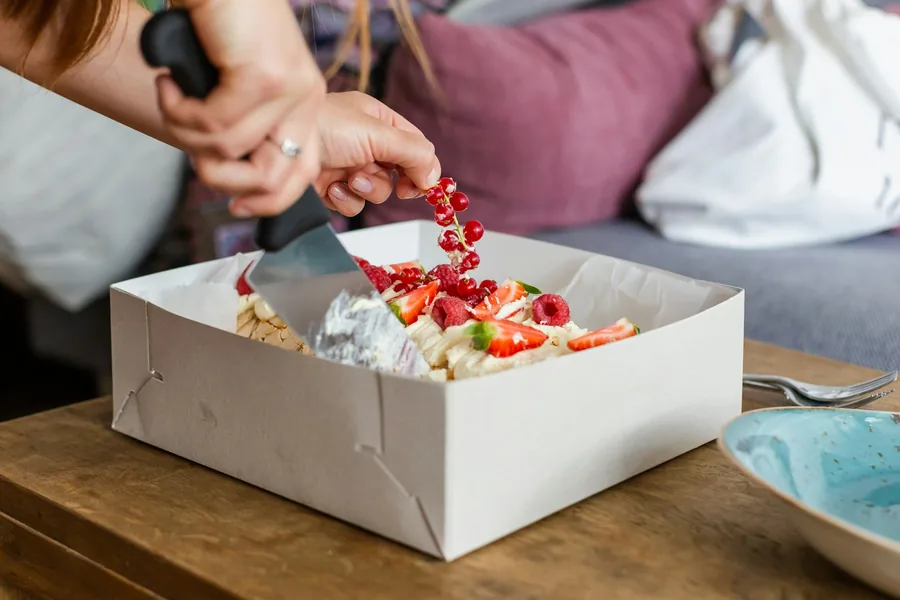
The classic white pail is coated so it does not leak. That coating is exactly what makes it useful for carrying wet food and exactly what makes it hard to recycle, because paper recycling wants paper rather than paper bonded to a lining.
Add grease soaked into the board and most programmes will not take it. It is a genuinely well-designed container that happens to be a poor fit for the recycling system it ended up in — the story of how that box became the symbol of Chinese food explains why it was chosen in the first place.
Going through the bag
| Item | Usually | Notes |
|---|---|---|
| Paper bag | Recyclable | If dry and not greasy; flatten it |
| Folded paper pail | Not recyclable | Coated, and usually greasy |
| Rigid plastic tub and lid | Often recyclable | Empty and rinse; check the local list |
| Thin clamshell or foam | Often not | Widely excluded even where plastics are taken |
| Aluminium tray | Often recyclable | Rinse; foil lids too |
| Sauce packets | Not recyclable | Too small and mixed to sort |
| Wooden chopsticks | Not recyclable | Compost if you have it |
The rinse is the whole thing
If you take one habit from this, take this one. A container with sauce in it is not recyclable in any meaningful sense, and worse, it can contaminate the clean material around it.
Rinsing takes about four seconds under a tap while you are clearing up anyway. Everything else here is detail; this is the part that decides whether the effort was worth making at all.
Check your own programme
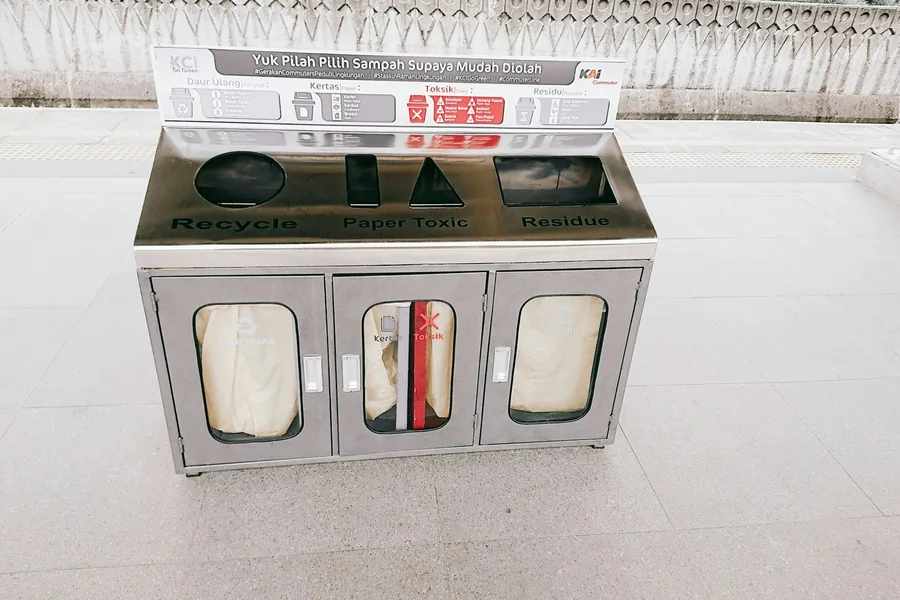
The awkward truth about all of this is that there is no national answer. What is accepted depends on the facility your material goes to, so two neighbouring cities can give opposite advice about the same plastic tub.
For anyone reading this locally, the City of Orlando publishes its own trash and recycling information, and that list beats any general guidance including this one. It takes a minute to check once and then you know.
Why guessing makes it worse
There is a common instinct to put anything that might be recyclable into the recycling bin and let somebody else decide. It is well meant and it is counterproductive.
Sorting facilities handle material at speed. Items that do not belong slow the line, and material contaminated by food can be downgraded or rejected in bulk rather than picked out. A greasy box thrown in hopefully does more damage than the same box binned deliberately.
Which is the argument for spending one minute on the local list rather than guessing every week. The answer barely changes, and after that it is automatic.
The tubs worth keeping
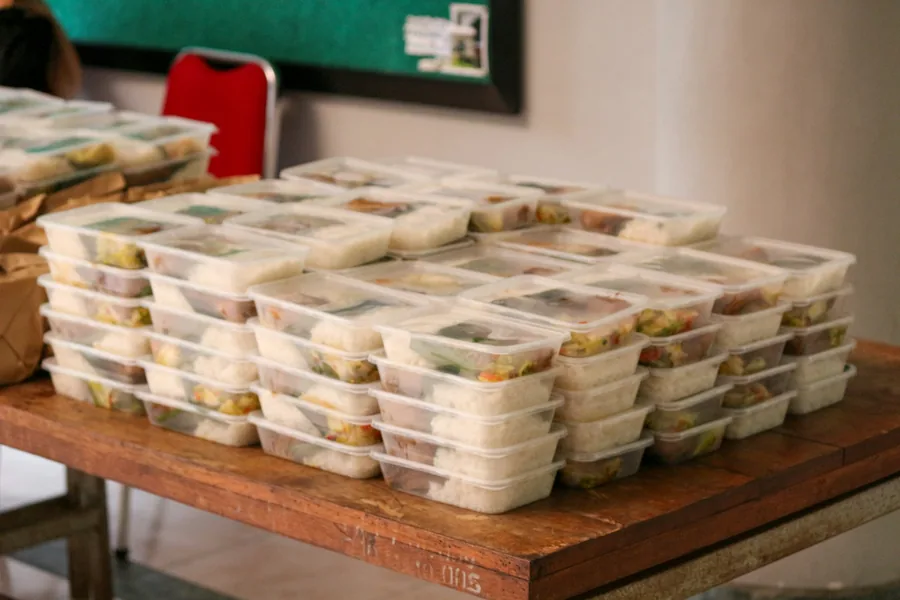
The rigid plastic containers that sauced dishes arrive in are genuinely good storage: they stack, they seal, they go in the fridge and most are microwave-safe. Keeping a few is not hoarding, it is the most straightforward way to use them again.
The limit is honesty about how many you need. Six is a useful set; thirty is a cupboard problem. Recycle the rest rather than keeping them out of guilt.
What about the food itself?
The other half of the pile, and the easier one. Food waste has somewhere obvious to go if you have a compost bin, and if you do not, the honest answer is that it goes in with the rest.
The more effective step happens before that: ordering an amount you will actually eat, and treating the leftovers as tomorrow’s lunch rather than as something to throw away on Thursday. The guide to how much to order covers sizing, and storing and reheating covers keeping it worth eating.
A note on the lids
A small thing that trips people up. Lids and containers are often different plastics, and some programmes want them separated while others want the lid pressed back on so it does not fall through the sorting machinery.
This is the clearest example of why the local list matters more than any rule of thumb. It is also the kind of detail that takes one look to settle permanently.
Ordering with less of it
The cleanest packaging is the packaging that never arrived, and a few ordering habits reduce it noticeably.
- Order larger sizes rather than more small ones. One large container instead of two small is less packaging and usually better value — the value guide covers the sizes.
- Say no to cutlery you do not need. You are at home; you have forks.
- Skip the sauce packets you are not going to open.
- Collect rather than have it delivered where practical — fewer bags, and better for the food.
A sense of proportion
One last thing, said plainly: takeaway packaging is a small share of household waste, and nobody needs to feel guilty about ordering dinner. Rinsing what can be recycled and binning what cannot is a complete answer.
Frequently asked questions
Can you recycle Chinese takeout boxes?
Usually not. The folded paper pail is coated so it does not leak, and that coating — along with any grease that has soaked in — is what stops most paper recycling programmes accepting it.
Are plastic takeout containers recyclable?
It depends on the plastic and on your local programme. Rigid tubs are more widely accepted than thin clamshells, and everything has to be empty and clean.
Does food residue matter?
A great deal. Contaminated material can be rejected, so rinsing a container is the difference between recycling it and putting it in the bin twice.
What about the paper bag?
Usually the most recyclable thing in the order, provided it is dry and free of grease. Flatten it and keep it out of the greasy pile.
The bottom line
Rinse it or bin it. Paper bags and rigid tubs are usually worth recycling, the coated folded box usually is not, and your local programme is the only list that actually decides. Ordering larger sizes and refusing what you do not need cuts the pile before it starts.
Larger sizes mean fewer containers and usually better value.
Browse the full menu