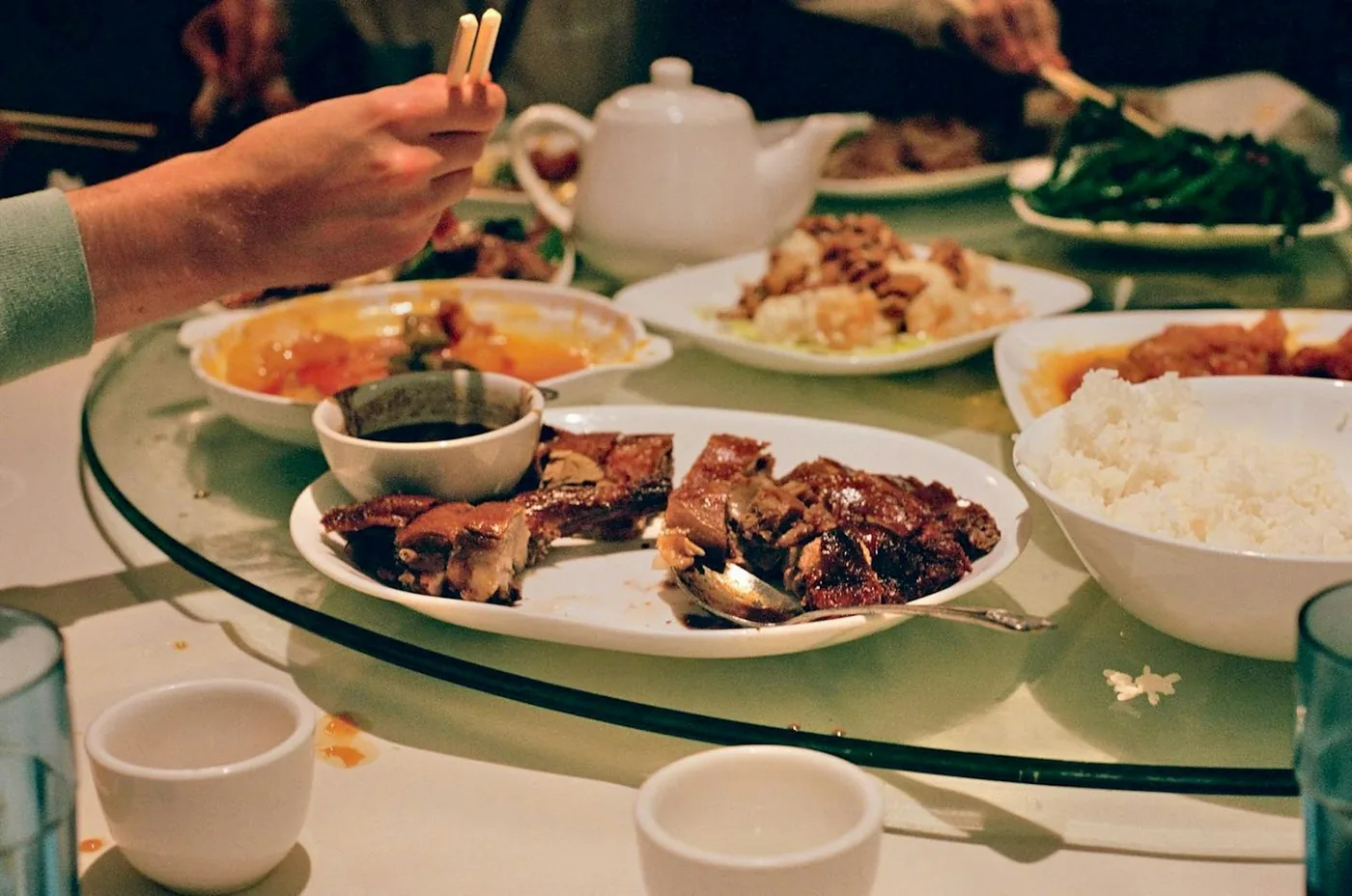
Chinese takeout is one of the better-value ways to feed several people, but only if you order with the structure of the menu rather than against it. The same food can cost noticeably more or less depending on how you assemble the order.
This is about the mechanics rather than the prices, which change. For current prices, check the menu.
The short answer
Order fewer, larger dishes and let the bundles do the work. Large sizes give more food per order than smalls, combination plates bundle three components into one item, and family sizes exist specifically for feeding a crowd.
Understand the two sizes first
Almost every entrée on a Chinese menu comes in a small and a large, and the gap between them is bigger than the words suggest. A small is roughly one person’s serving; a large is closer to two.
That means the choice is not really about appetite — it is about how many people are eating and whether you want variety or volume.
- Two smalls gives two different dishes for two people.
- One large gives more of one dish, usually for less than two smalls.
- The rule of thumb: smalls buy variety, larges buy volume.
Know what already comes with the dish
This is where money gets wasted most often. Several sections of the Panda Li’s Kitchen menu — beef, chicken, pork, seafood, vegetables, sweet and sour, chop suey, chow mein and egg foo young — are listed as served with white rice by default.
Order three entrées from those sections and you already have three portions of rice. Adding a large fried rice on top is paying for starch you will not eat. The comparison of white rice and fried rice covers exactly which sections include what.
Use the bundles
Combination plates are the most efficient single order on the menu. A dinner special bundles an entrée, pork fried rice and an egg roll or soup into one item — three components you would otherwise buy separately.
Lunch specials do the same thing at midday with a smaller portion. If you are eating alone, comparing the bundle against the standard entrée is usually worth thirty seconds.
Feeding a group
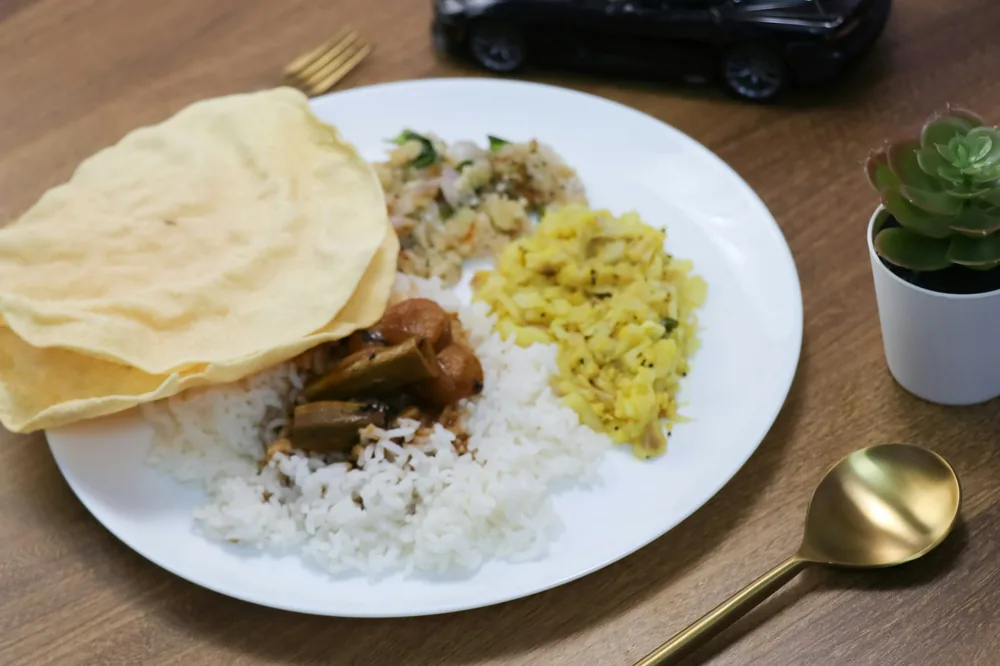
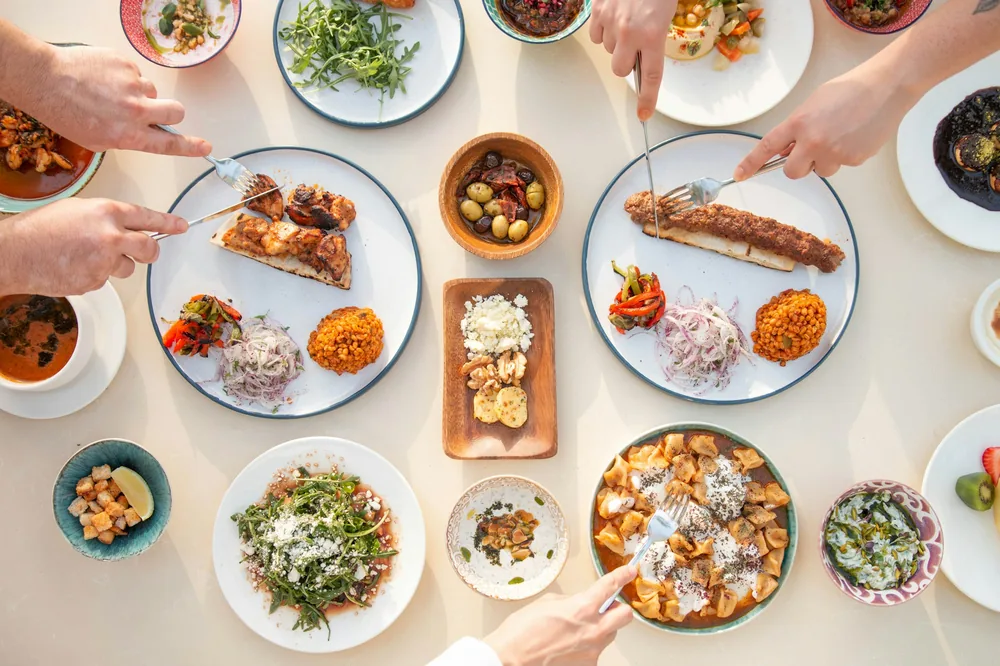
Groups are where the biggest differences appear, because the instinct to order one dish per person is both expensive and wrong. Chinese food is designed to be shared.
| Approach | What you order | Result |
|---|---|---|
| One dish each | Four entrées for four people | Most expensive, most waste, least variety per head |
| Shared entrées | Three larges plus a shared rice | Less spend, more variety, right volume |
| Built on a base | Family size rice plus three larges | Best for six or more |
| All combination plates | Four dinner specials | Everyone gets a complete plate, but four of everything |
The family sizes are the ones people miss. This menu lists Family Fried Rice by the half gallon and by the gallon, which is a far more sensible base for a large group than stacking up large orders of the standard size.
The same menu also carries a section of wings, fried shrimp and fries sold with a rice — what that section is for explains where it fits.
Where the cheaper parts of the menu are
Without quoting prices, the structural pattern on most Chinese menus is consistent, and this one follows it:
- Soups and side orders are the least expensive things on the menu.
- Noodle and rice dishes generally sit below the protein entrées.
- Chicken and pork are usually the cheaper protein sections.
- Beef and seafood sit higher.
- House specials are the top of the menu, with roast duck typically the highest.
So a table built on a large lo mein and a large fried rice with two chicken or pork entrées will cost less than the same number of dishes drawn from seafood and house specials — and for most people it will not feel like a lesser meal.
One habit sits outside the menu entirely: where you place the order. Ordering direct rather than through an app avoids both the platform markup and the fees added at checkout.
Five practical habits
- Check the section note before adding rice. Most entrées already include it.
- Order one fewer dish than you think. Almost every table over-orders.
- Mix one expensive dish with cheaper ones. One seafood or house special dish alongside chicken and noodle dishes gives the table a centrepiece without the whole order costing like one.
- Use large sizes for the dish everyone will eat and smalls for the adventurous one.
- Plan for leftovers deliberately. A large that feeds you twice is better value than a small that feeds you once.
A worked example
Four adults, wanting variety, not wanting leftovers to go to waste:
- One large chicken entrée (comes with rice)
- One large beef entrée (comes with rice)
- One large lo mein, shared
- One appetizer to share
That is four orders rather than six, covers two proteins and a noodle dish, and the included rice means nothing extra is needed. Add a soup if you want a starter course, but you do not need both a soup and an appetizer.
Where to look on the menu
Sizes and inclusions are listed throughout the full menu. The family options are in the fried rice section, and the bundles are in the dinner specials.
A note on portion guidance
If you are trying to work out quantities more precisely than rules of thumb allow, the USDA National Agricultural Library food composition resources are the reference point rather than restaurant menu descriptions, which are not standardised between kitchens.
Frequently asked questions
What is the best value on a Chinese menu?
Structurally, the combination plates and the large sizes. A dinner special bundles an entrée, fried rice and a starter into one item, and a large entrée is closer to two servings than one. Check the current menu for prices.
Is it cheaper to order large or two smalls?
A large is generally better value per serving than two smalls of the same dish, but only if everyone wants the same thing. Two smalls buys variety; one large buys volume.
How do I feed a large group without over-spending?
Build around one substantial shared base rather than individual entrées. This menu lists Family Fried Rice by the half gallon and gallon, which is the practical option for a crowd.
Which sections are the cheapest?
Soups and side orders are the least expensive parts of most Chinese menus, and the noodle and rice sections generally sit below the protein entrées. Prices change, so check the current menu.
The bottom line
Fewer dishes, larger sizes, and check what already comes with them. Use the bundles when you are eating alone and the family sizes when you are feeding a crowd. That covers most of the difference between a good order and an expensive one.
Sizes, family options and bundles are all listed on the current menu.
Browse the full menu