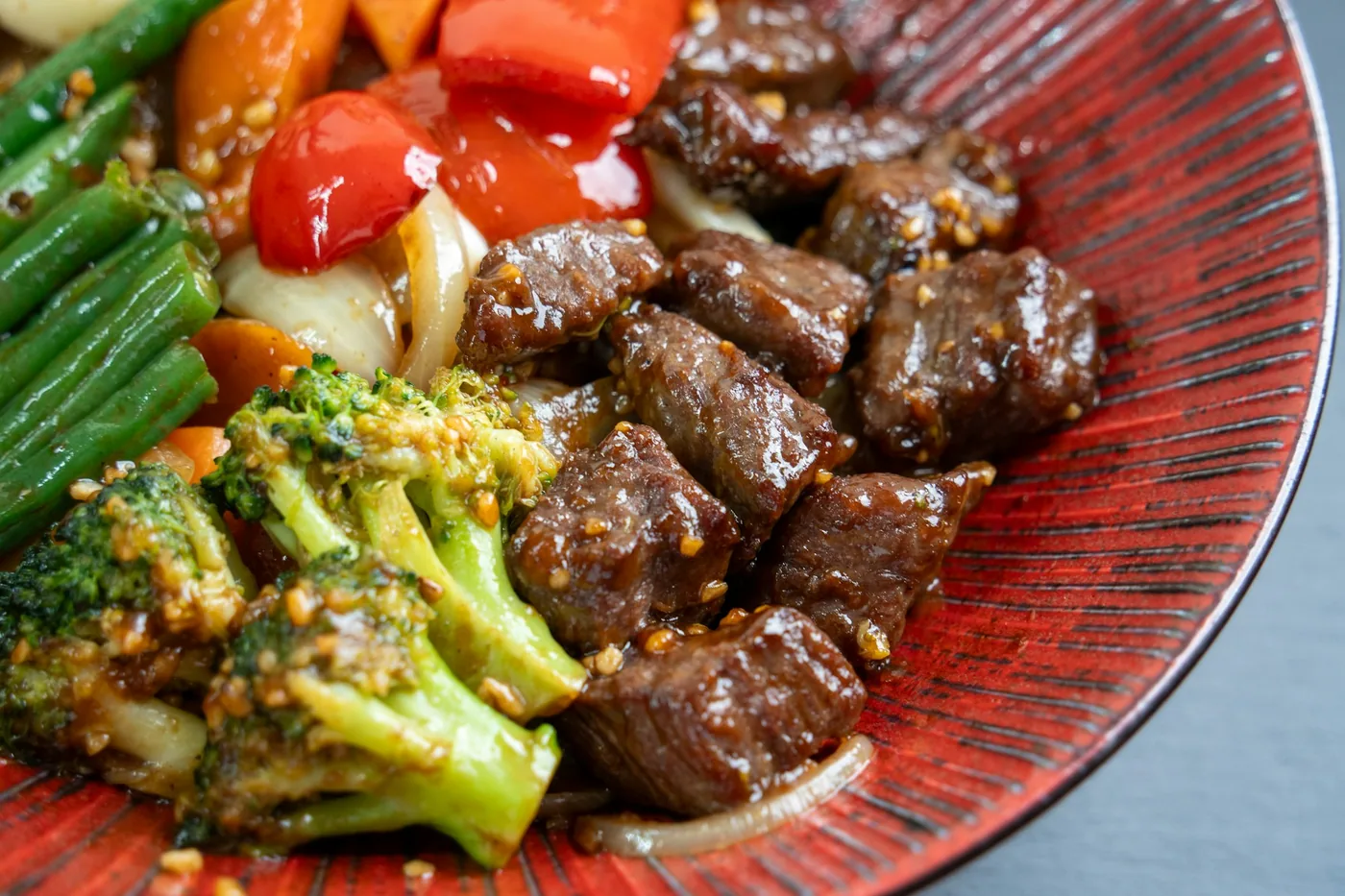
Beef is the section of a Chinese menu where most people default to whichever dish they ordered last time. Two dishes account for the majority of those orders, and they are less similar than their shared main ingredient suggests.
The short answer
Mongolian beef is sweeter, richer and built around beef and scallions. Beef with broccoli is more savoury and comes with a vegetable already in the dish. If you want an indulgent, meat-forward plate, order Mongolian beef. If you want something more balanced that needs no second dish alongside it, order beef with broccoli.
What Mongolian beef actually is
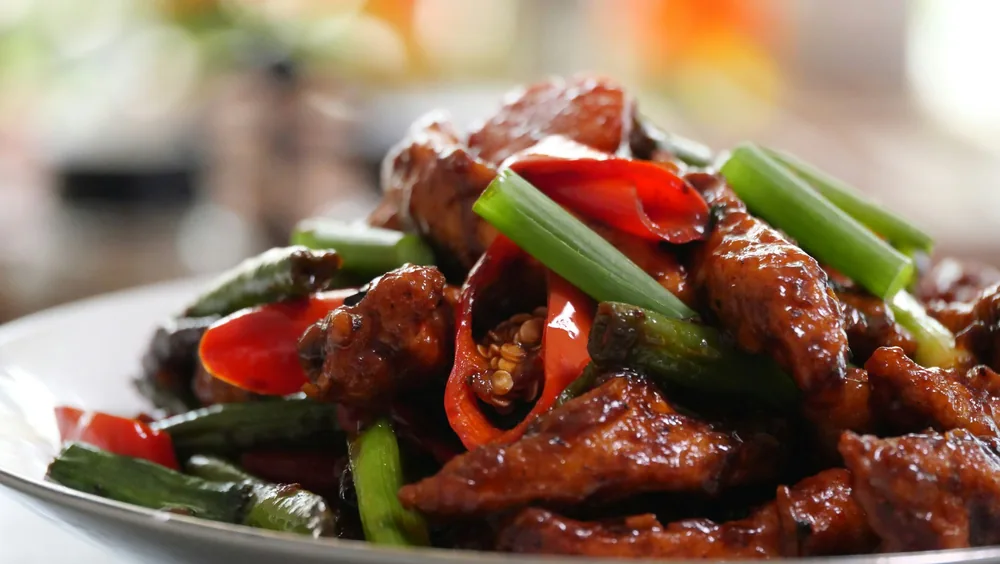
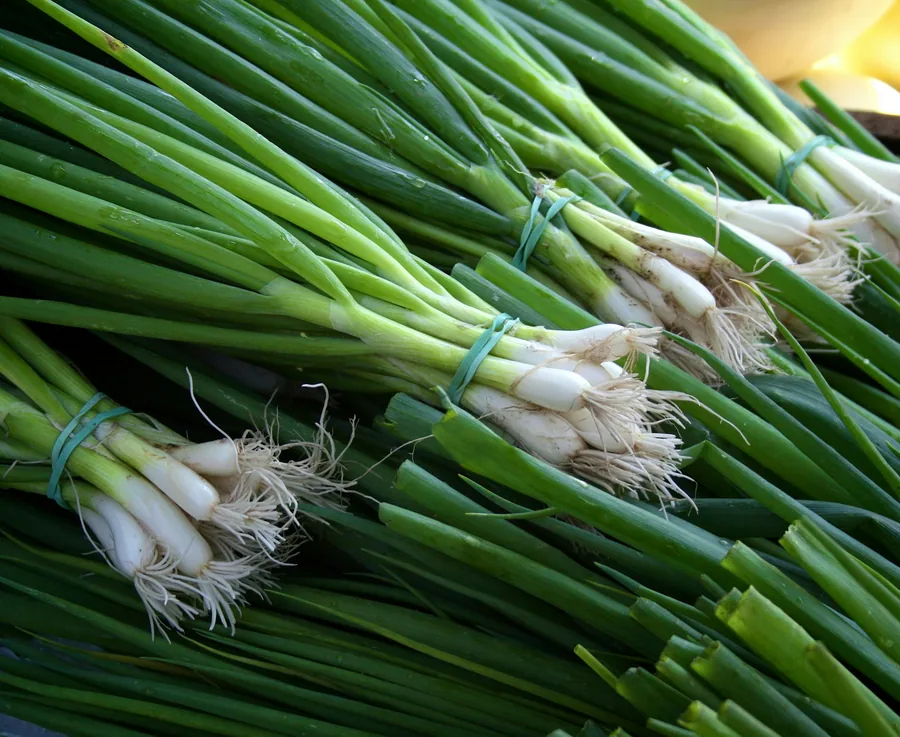
Thinly sliced beef, usually flank or a similar cut, velveted and cooked quickly, then finished in a thick sauce built on soy and sugar. Scallions are the signature addition and often the only vegetable in the dish. The sauce clings rather than pools, and the overall effect is glossy and rich.
The name is misleading. The dish has no established connection to Mongolian cooking — it is generally traced to Taiwanese restaurants and travelled to American menus from there. Treat the name as a label rather than a description of where it comes from.
What beef with broccoli actually is
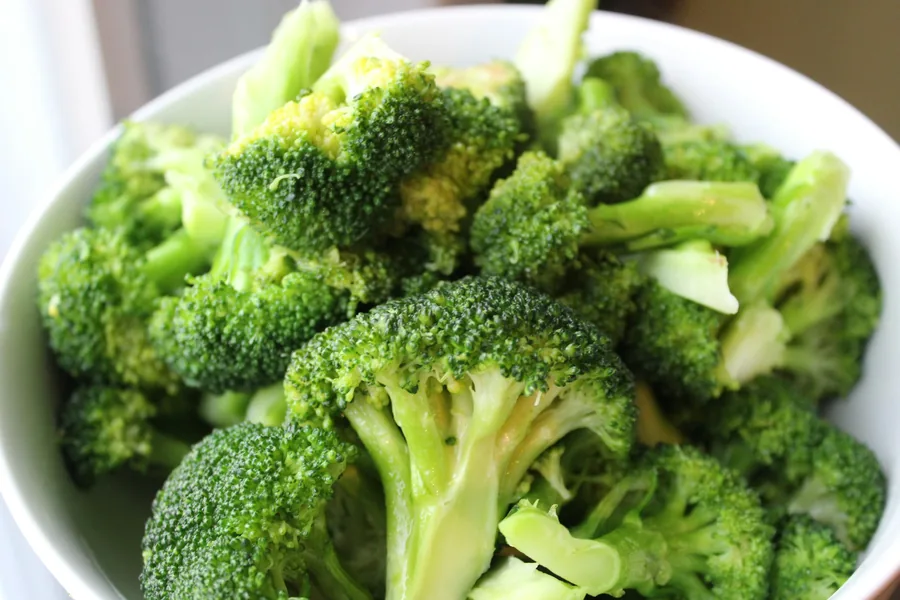
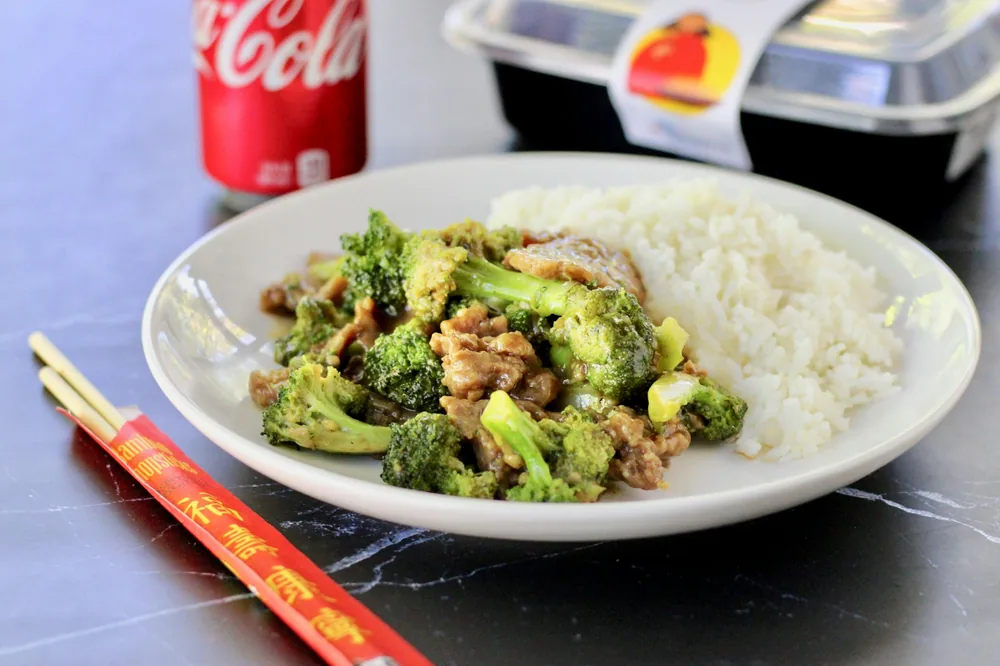
Sliced beef stir fried with broccoli in a savoury brown sauce. It is one of the most recognisable dishes on any American Chinese menu, and one of the most useful, because the vegetable is built in rather than ordered separately.
The flavour leans savoury rather than sweet. Where Mongolian beef is about richness, beef with broccoli is about balance — which is exactly why it is the more common family order.
Side by side
| Mongolian Beef | Beef with Broccoli | |
|---|---|---|
| Flavour | Sweet and savoury, rich | Savoury, more restrained |
| Sauce | Thick and glossy, clings to the beef | Lighter brown sauce |
| Vegetables | Mostly scallions | Broccoli, in quantity |
| Heat on this menu | Marked spicy | Not marked spicy |
| Eats like | An indulgent, meat-forward plate | A balanced main dish |
| Needs a side? | Pairs well with a vegetable dish | Complete on its own |
| Good for | One person wanting something rich | Families and mixed tables |
Which should you order?
- Ordering one dish for yourself. Beef with broccoli gives you a more complete meal in a single container.
- Ordering several dishes to share. Mongolian beef works better here, because the richness is balanced by whatever else is on the table.
- Feeding children or a mixed table. Beef with broccoli, which is not marked spicy.
- You want the beef to be the point. Mongolian beef, without question.
The rest of the beef section
Both dishes sit in a section with considerably more range than most people explore. Alongside them, the beef section at Panda Li’s Kitchen lists beef with pepper, beef with vegetable, beef with snow peas, Hunan beef, beef with garlic sauce, beef with curry sauce, beef Szechuan style and moo shu beef.
Several of those are marked spicy, which is worth knowing before you branch out. If you want a straightforward alternative to the two dishes above without any heat, beef with snow peas and beef with vegetable are the two that are not marked.
Why the beef is so tender
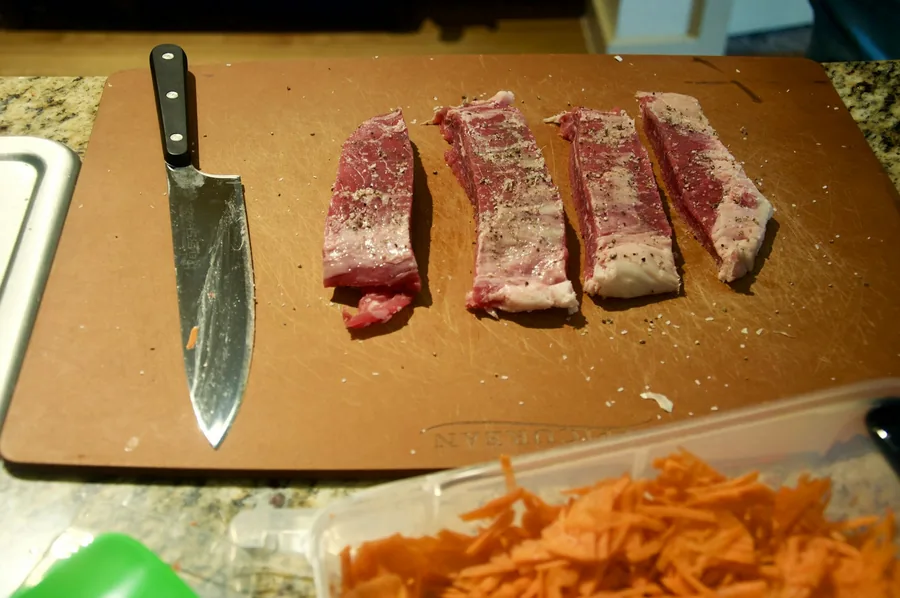
One question comes up more than any other about Chinese restaurant beef: why is it more tender than beef cooked the same way at home? The usual answer is a preparation step called velveting, where the sliced beef is coated before cooking so it holds moisture through the high heat of the wok.
That is a general technique across Chinese restaurant cooking rather than a claim about any particular kitchen. If you want the detail on the wok technique itself, the background on stir frying explains why the high-heat method changes the result so much.
What to order alongside each one
Both dishes arrive with white rice, so the question is what the second dish should be if you are ordering more than one.
With Mongolian beef, go lighter. The sauce is sweet and thick, so a vegetable dish, a mei fun or a clear soup keeps the meal from becoming one-note. Avoid pairing it with another sweet dish such as sweet and sour or orange chicken.
With beef and broccoli, you have more freedom, because it is savoury rather than sweet. It sits happily next to a fried rice, a lo mein or a crisp-fried chicken dish without competing.
The other beef dishes worth knowing
| Dish | Character | Heat on this menu |
|---|---|---|
| Beef with broccoli | Savoury, balanced, vegetable built in | Not marked |
| Beef with snow peas | Lighter, crisper vegetable | Not marked |
| Beef with vegetable | Mixed vegetables, mild | Not marked |
| Beef with pepper | Peppers and onion, savoury | Not marked |
| Mongolian beef | Sweet, rich, scallion-forward | Marked spicy |
| Hunan beef | Direct chilli heat | Marked spicy |
| Beef with garlic sauce | Savoury garlic sauce with chilli | Marked spicy |
| Beef Szechuan style | Chilli, Szechuan style | Marked spicy |
| Beef with curry sauce | Curry-spiced | Marked spicy |
| Moo shu beef | Shredded stir fry, traditionally wrapped | Not marked |
Read down that table and a pattern emerges: half the beef section is spicy. If you are ordering beef for someone whose tolerance you do not know, the four unmarked dishes at the top are the safe ground.
Frequently asked questions
Is Mongolian beef spicy?
It varies by kitchen. Traditionally it is sweet and savoury rather than hot, but many American Chinese menus prepare it with chilli. On the Panda Li’s Kitchen menu, Mongolian Beef is marked spicy and Beef with Broccoli is not, so on this menu the two are clearly separated on heat.
Is Mongolian beef actually from Mongolia?
No. Despite the name it is not a Mongolian dish. It is generally traced to Taiwanese restaurant cooking and reached American menus from there. The name is a marketing label rather than a description of origin.
Which one has more vegetables?
Beef with broccoli, clearly. Broccoli is a defining component of the dish. Mongolian beef is usually beef and scallions with little else, which is why it eats as a richer, meatier plate.
Which is better with rice?
Both are served with white rice by default on this menu. Mongolian beef’s sauce is thicker and sweeter, so it coats rice heavily; beef with broccoli is more savoury and gives you a vegetable on the plate without ordering a second dish.
The bottom line
Beef with broccoli is the more practical order: savoury, balanced and complete on its own. Mongolian beef is the more indulgent one, and better when it has other dishes around it.
If you are choosing between proteins rather than between beef dishes, the guide to choosing between beef, chicken, pork and seafood works through that decision.
Both dishes are built on a dark, savoury base, which is the sauce you meet most often on a Chinese menu. The guide to brown, white, garlic and black bean sauce sets out what separates it from the others.
Ten beef dishes, most in small and large sizes, all served with white rice.
See the beef section