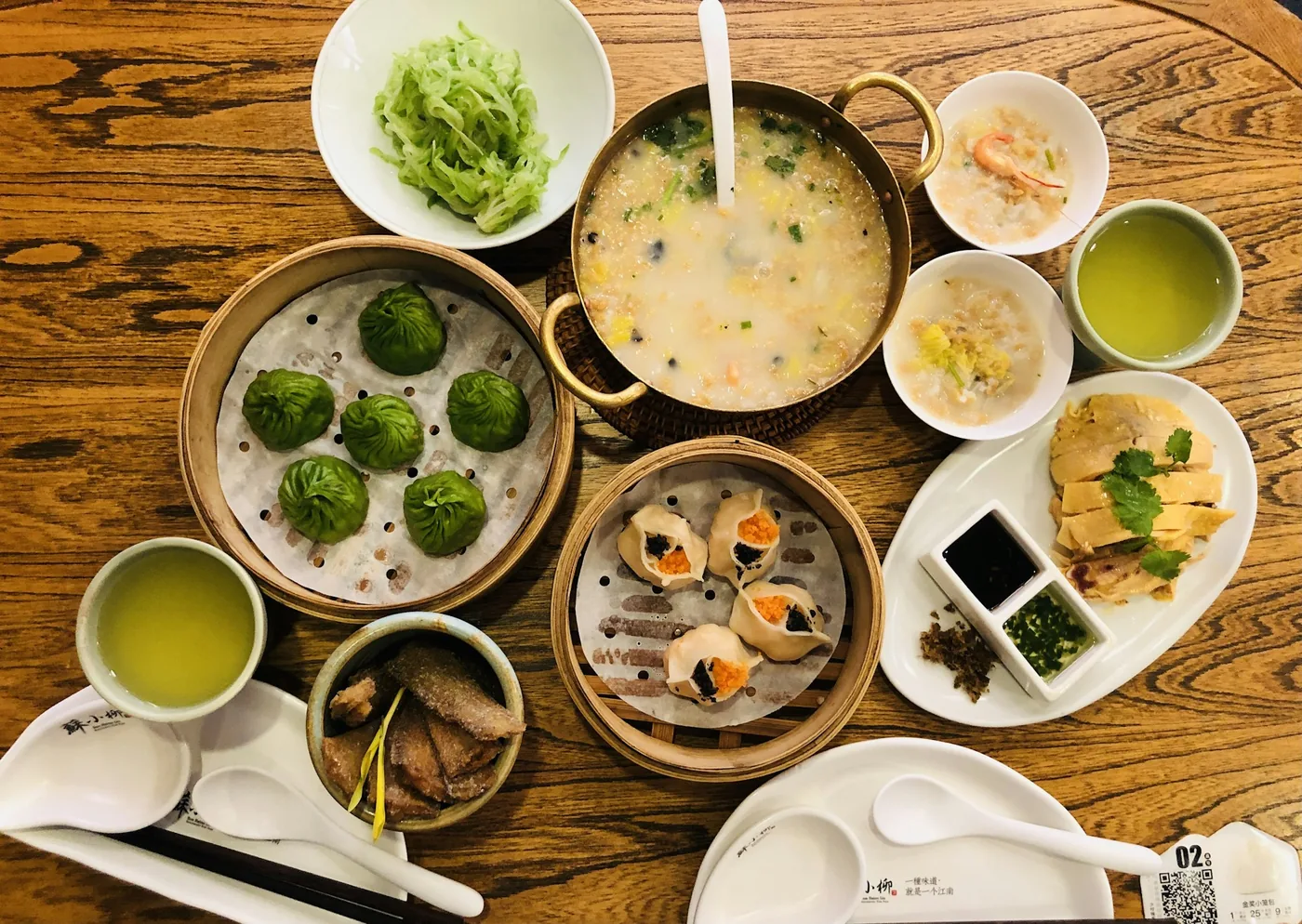
The middle of a Chinese menu is organised by protein: beef, chicken, pork, seafood and vegetables, each cooked several different ways. Because the same preparations repeat across sections, most people pick a protein out of habit and never really compare.
Here is what actually differs, and when each one is the right call.
The short answer
Chicken is the safest and most versatile. Beef is the richest. Pork is the most savoury and usually the best value. Seafood is the lightest and the most expensive. For a shared table, the strongest orders cover more than one of them.
Chicken
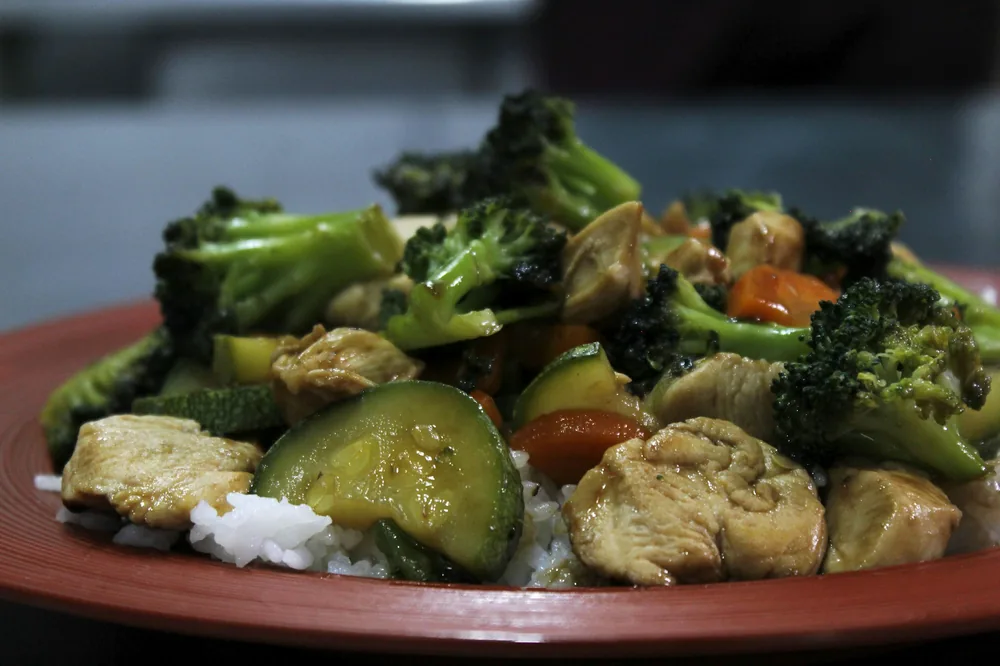
The largest section on most menus and the most forgiving. Chicken carries sauce well without competing with it, which is why it appears in nearly every preparation from mild to genuinely hot.
It is also the section with the widest heat range. On this menu, chicken with broccoli, chicken with snow peas, chicken with cashew nuts and moo goo gai pan are unmarked, while chicken with garlic sauce, Kung Po chicken, chicken with curry sauce, chicken Hunan style and chicken Szechuan style are all marked spicy.
- Order chicken when: you are feeding a mixed table, you want the most choice, or you are ordering for someone whose tastes you do not know.
Beef
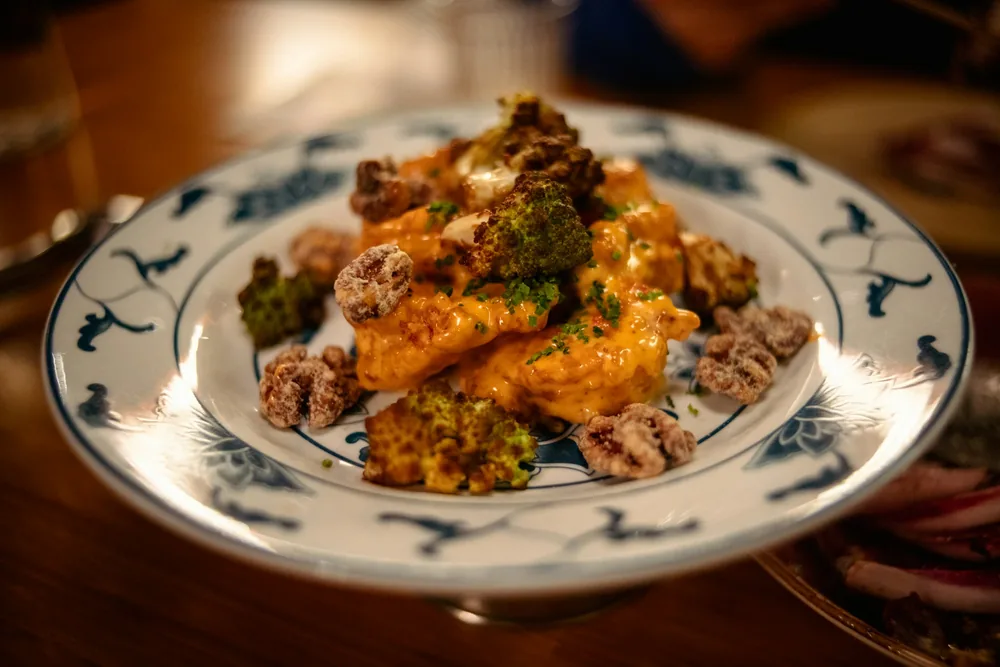
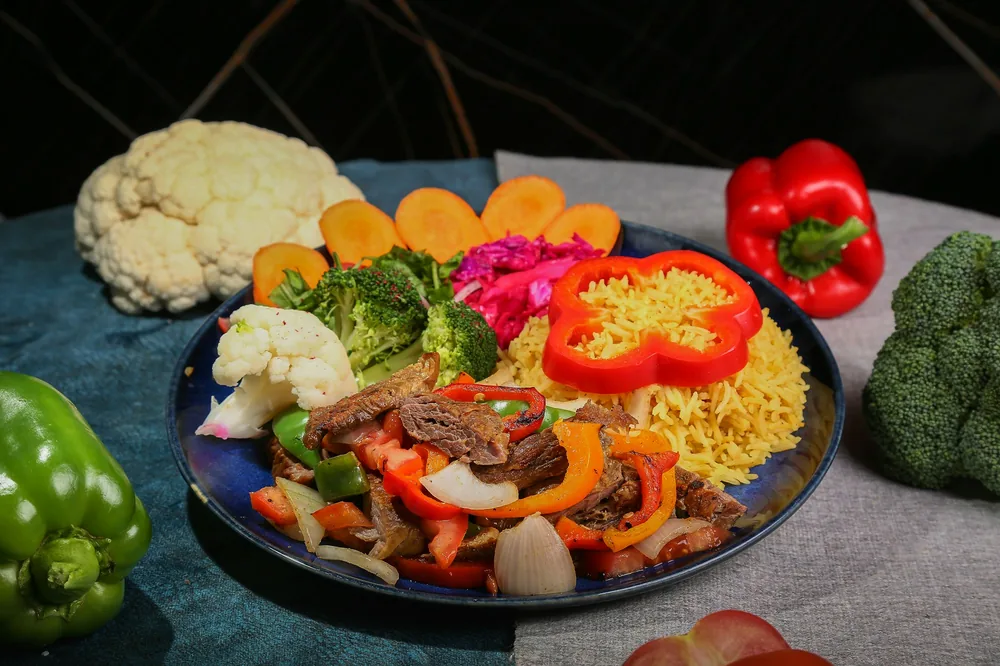
Richer and more assertive. Beef stands up to heavier sauces, which is why the beef section tends to contain the boldest dishes on the menu. It is also where the heat concentrates — on this menu five of the ten beef dishes are marked spicy.
- Order beef when: you want the entrée to be the centrepiece, or you are ordering several dishes and want one with real weight to it.
Pork
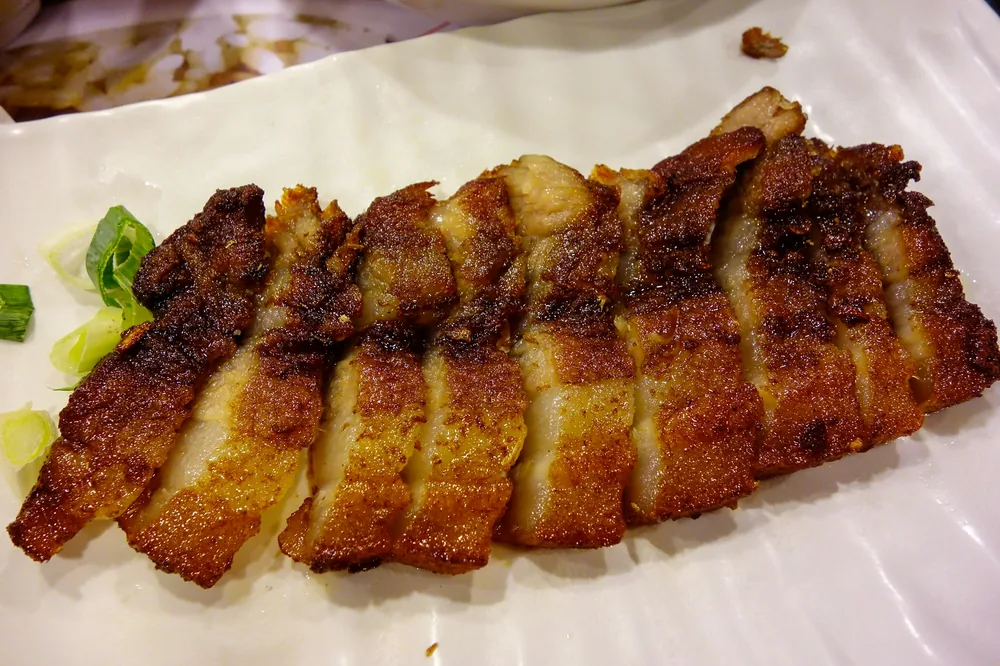
The most underrated section on a Chinese menu. Roast pork in particular has a savoury depth that chicken does not, and it is usually priced closer to chicken than to beef, which makes it the best value per portion on many menus.
It is also the section most people never look at, which is a shame — roast pork with broccoli and roast pork with Chinese vegetables are as approachable as anything in the chicken section.
- Order pork when: you want more flavour than chicken without the richness of beef, or you are feeding several people and watching the total.
Seafood
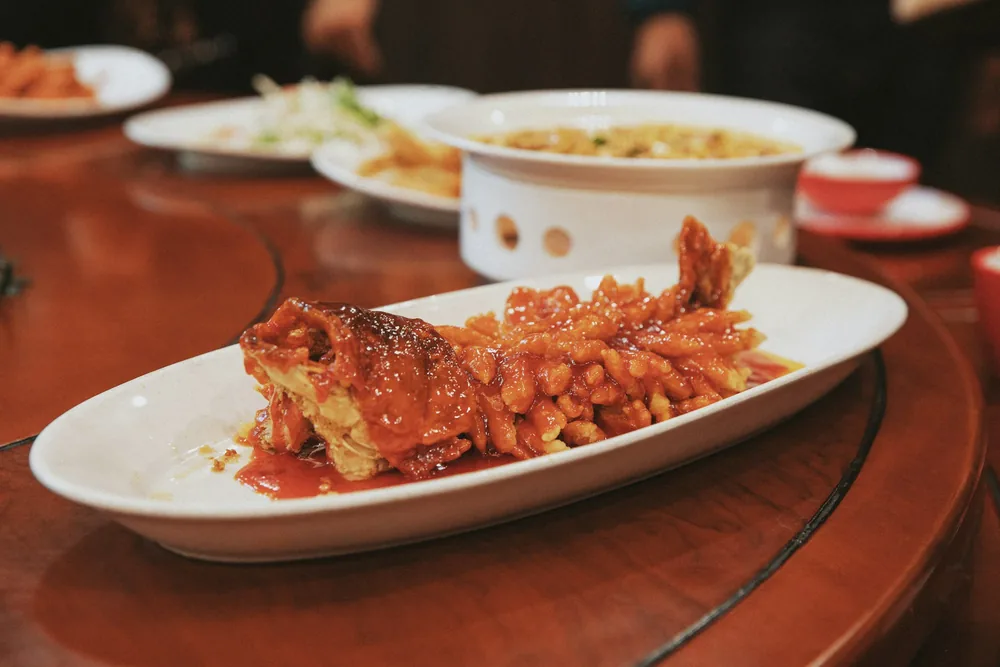
Lighter than the others and quicker to overcook, which is why seafood dishes tend to arrive with more delicate vegetables and lighter sauces. It is almost always the most expensive section on the menu.
Shrimp dominates. On this menu the seafood section runs to more than twenty shrimp preparations, from shrimp with broccoli and shrimp with lobster sauce through to Szechuan shrimp and Kong Po shrimp.
- Order seafood when: you want the lightest option on the table, or you are balancing out a couple of heavier dishes.
Vegetables and tofu
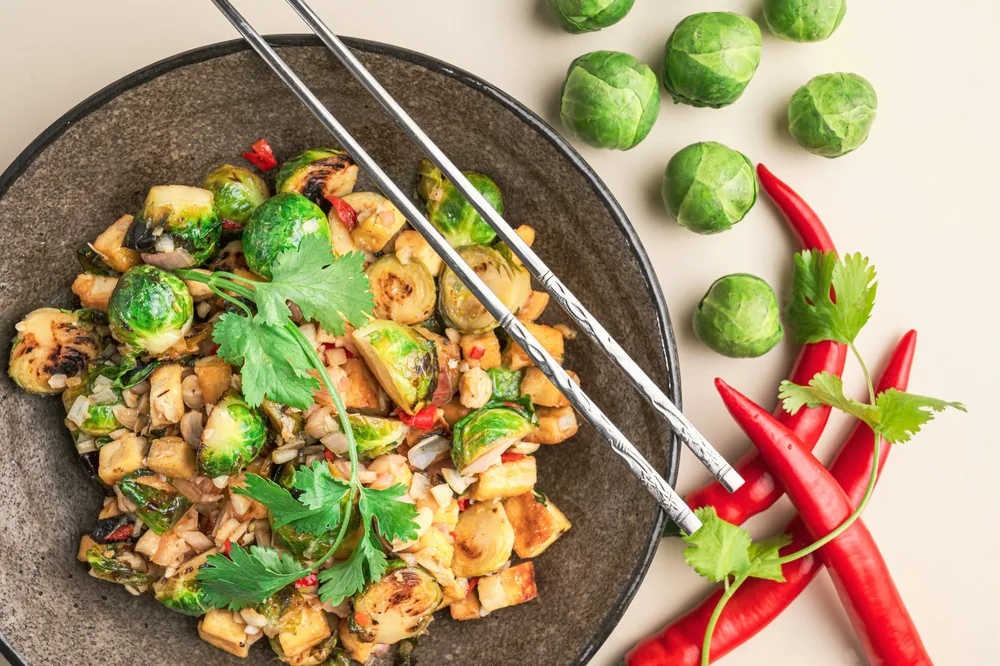
Not an afterthought. The vegetable section is where you find the meat-free options, and on this menu it carries some of the more interesting dishes on the whole menu, including Buddha’s delight, Ma Po tofu, General Tso’s tofu and orange tofu.
It is also the section to use when you want to balance a table of heavy, sauced dishes with something cleaner.
Comparing the sections
| Chicken | Beef | Pork | Seafood | |
|---|---|---|---|---|
| Flavour | Mild, takes on the sauce | Rich and assertive | Savoury and deep | Light and delicate |
| Typical price | Lower | Higher | Lower | Highest |
| Range of dishes | Widest | Wide | Moderate | Wide, mostly shrimp |
| Heat options | Mild through to hot | Skews spicier | Skews spicier | Mild through to hot |
| Best for | Mixed tables, unknown tastes | A centrepiece dish | Value and savoury depth | Lighter meals |
Building a balanced order
For one person, the protein matters less than the preparation — pick a dish you like the sound of and it comes with rice. For a table, spreading across sections is what makes the meal work.
- Two people: one chicken or pork dish, one beef or seafood dish.
- Four people: one chicken, one beef, one seafood or pork, plus a shared rice or noodle dish.
- Six or more: add a vegetable dish and a second chicken dish, since chicken is the one everyone eats.
- Any size: keep no more than half the dishes heavily sauced, or the meal tastes the same all the way through.
Where to look on the menu
Each section sits separately on the full menu: chicken, beef, pork, seafood and vegetables, most with small and large sizes.
If you would rather not assemble a meal yourself, the dinner specials bundle an entrée with pork fried rice and an egg roll or soup, and cover most of the same dishes.
That repetition is deliberate and it runs through the whole menu — why Chinese menus are so long explains why the same preparations reappear in every protein section.
A note on cooking method
What all these sections share is the wok. High heat, fast cooking and constant motion are what give stir fried dishes their character, and it is the reason a restaurant version tastes different from the same dish made at home on a domestic hob. The background on American Chinese cuisine covers how these sections took the shape they now have.
Frequently asked questions
What is the most popular Chinese entrée?
Chicken dishes are ordered more than any other protein at most American Chinese restaurants, with beef with broccoli and General Tso’s chicken among the most requested individual dishes. That reflects familiarity as much as anything else.
Which Chinese protein is the best value?
Chicken and pork dishes are usually the least expensive on a Chinese menu, with beef a step up and seafood typically the most expensive. If you are feeding a group on a budget, the chicken and pork sections stretch furthest.
Should everyone order their own entrée?
Not for a group. Chinese food is designed to be shared, so a table of four is usually better served by three or four dishes across different proteins than by one dish each.
What if someone at the table does not eat meat?
The vegetable section is the place to look. On this menu it includes vegetable delight, sauteed broccoli, Buddha’s delight and several tofu dishes, and there are vegetable versions in the rice, noodle and egg foo young sections.
The bottom line
Chicken if you are not sure. Beef if you want richness. Pork if you want value and savoury depth. Seafood if you want something lighter. For a table, order across at least two of them.
Once you have picked a protein, the next question is usually how much to get — the guide to how much Chinese food to order per person covers that.
Five protein sections, most dishes in small and large, all with rice included.
Explore the menu sections