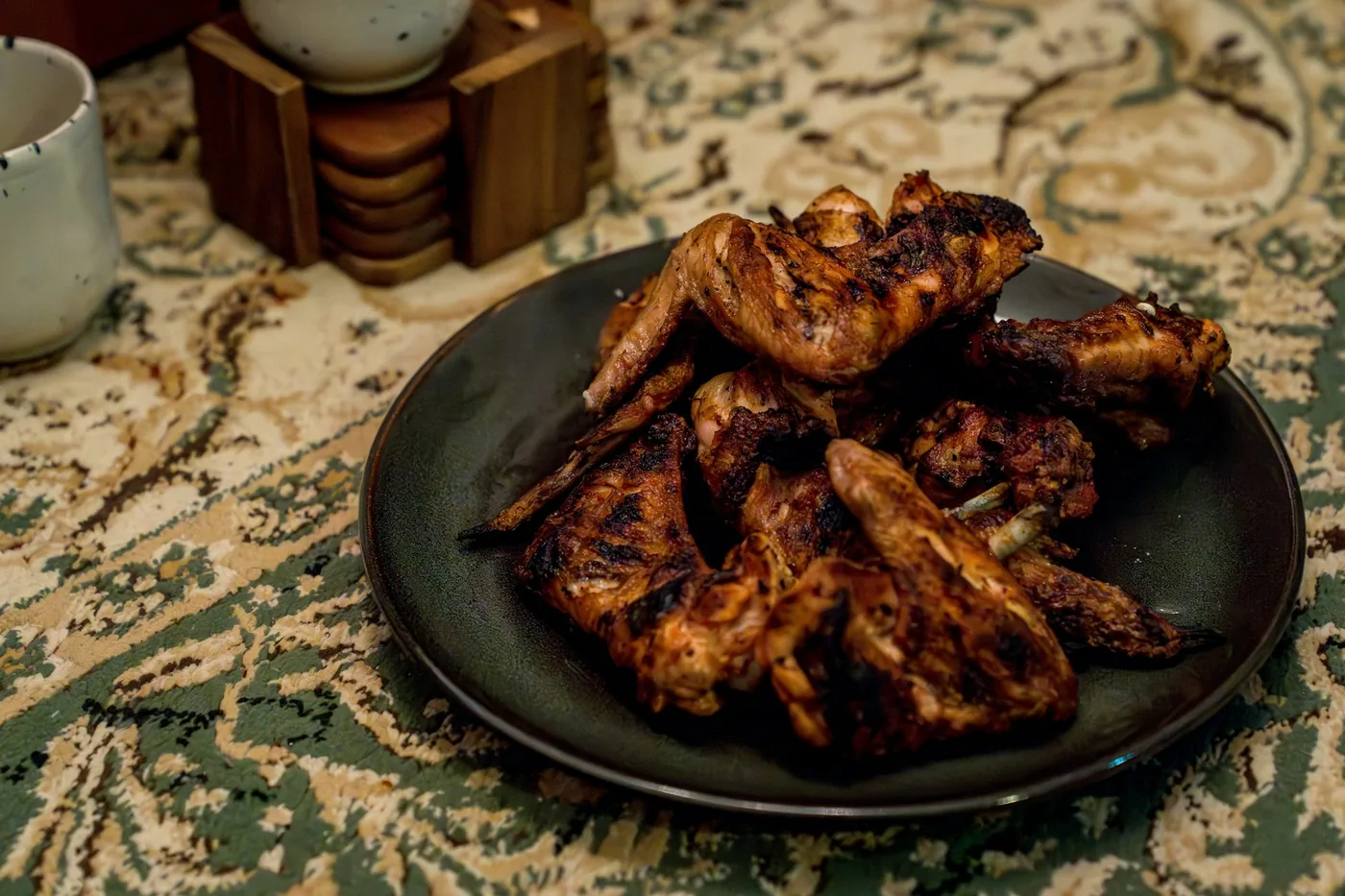
Somewhere past the chow mein, most Chinese takeout menus have a section that stops people short. Buffalo wings. French fries. Fried shrimp by the seventeen. It looks like a different restaurant wandered in, and customers either ignore it entirely or rely on it every week.
The short answer
American Chinese restaurants have always adapted to the customers in front of them, and this section is the clearest example. It exists so that a table where not everyone wants Chinese food can still order from one place.
What is actually in it
On this menu the section is called Special Chinese American Dishes, and it runs to nineteen listings built from just four things.
| Item | How it is listed |
|---|---|
| Buffalo Wings | Plain, or with pork, chicken, shrimp or plain fried rice |
| Fried Chicken Wings (3) | Plain, or with pork, chicken, shrimp or plain fried rice |
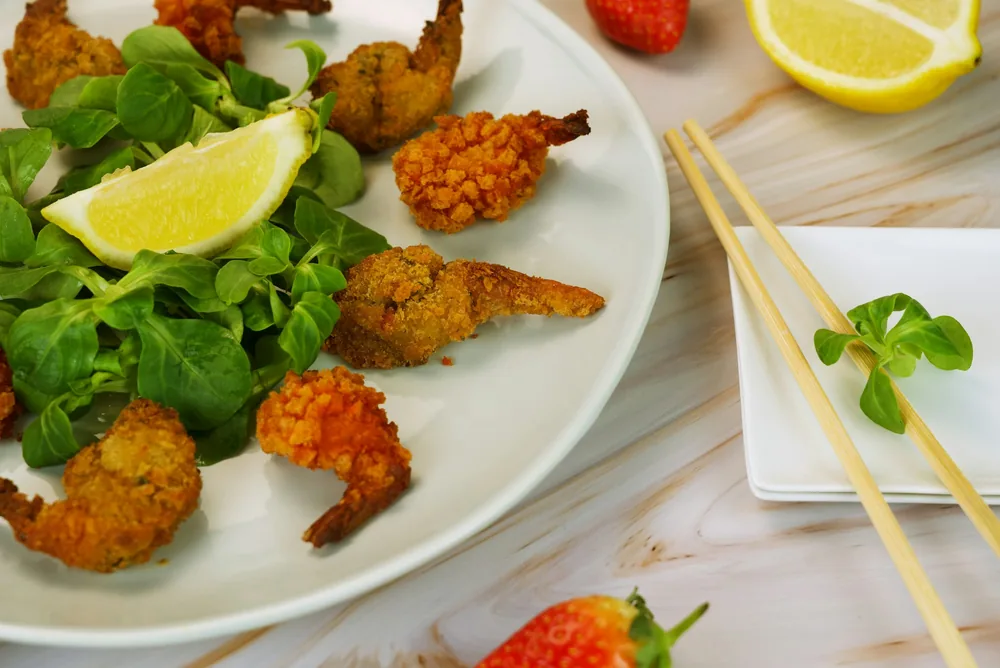
| Fried Shrimps (17) | Plain, or with pork, chicken, shrimp or plain fried rice |
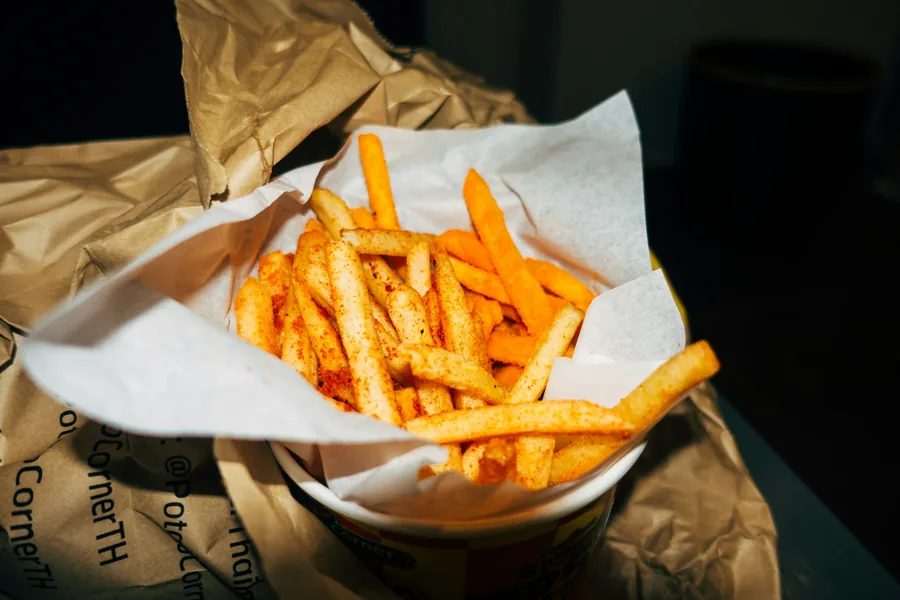
| French Fries | Plain, or with chicken wing, shrimp, or boneless ribs |
Four items, each offered plain or paired with a starch, and the nineteen listings fall out of that. It is the same grid logic that produces the rest of a long Chinese menu — why Chinese menus run so long covers how that works across the whole thing.
Why it is on a Chinese menu at all
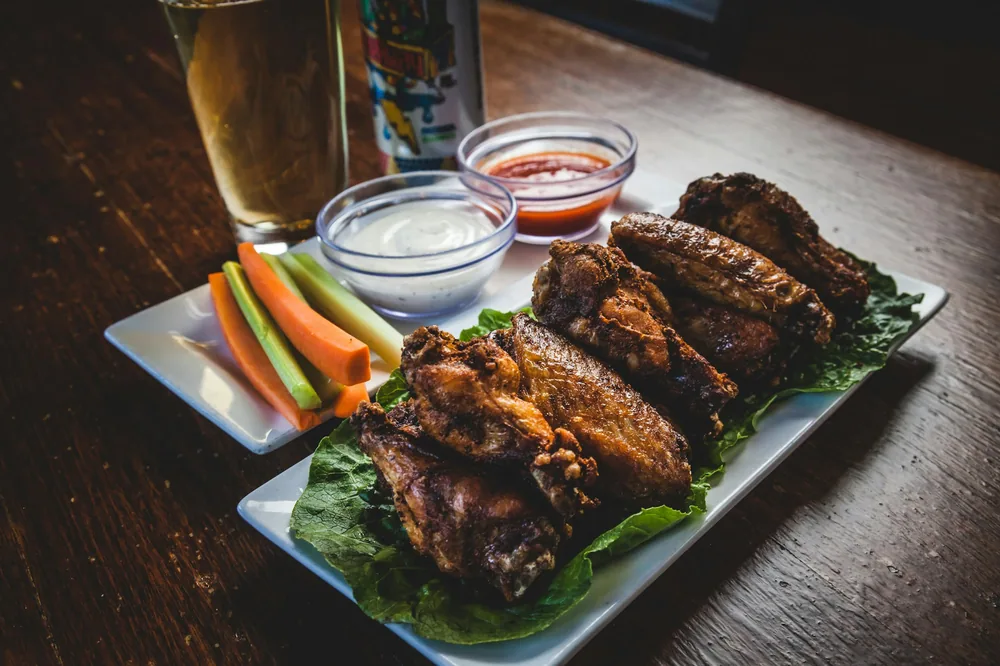
Deep frying is not central to Chinese home cooking. It became central to American Chinese restaurant cooking because it suited the customers. The cultural profile published by EthnoMed, a resource from Harborview Medical Center and the University of Washington, notes that American Chinese restaurants added deep-fried dishes specifically to please Western tastes.
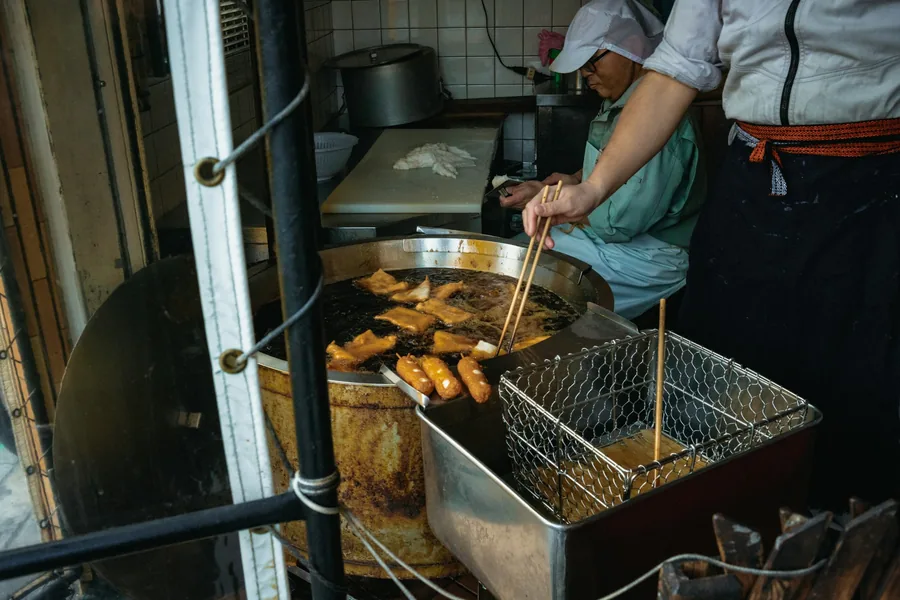
Once a kitchen has a fryer running all evening for egg rolls and crisp-fried chicken, adding wings and fries costs almost nothing. The equipment is already hot and the technique is already there. What started as accommodation became a fixture.
It is not an appetizer section
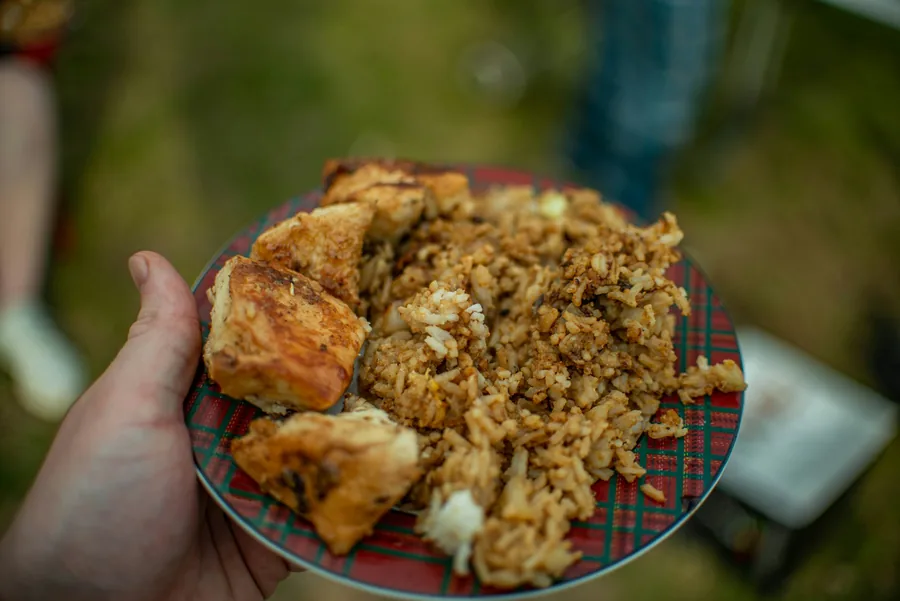
This trips people up, because wings look like a starter. On this menu they are not filed with the appetizers at all — they have their own section, and most listings come with a fried rice, which makes them a meal rather than something to pick at before one.
That distinction matters when you are ordering for a table. If you want something to share before the main dishes arrive, the appetizer list is where to look; the guide to Chinese appetizers covers it. If you want a self-contained plate for one person, this is the section.
The fried food already on the Chinese side
One thing worth knowing before you default to this section: the Chinese half of the menu has plenty of fried food of its own, and some of it is closer to what people want than they realise.
- The appetizer list carries fried dumplings, fried wonton, boneless spare ribs, chicken nuggets and fantail shrimp.
- The house specials carry crisp-fried chicken in several sauces — sesame, General Tso’s, orange and bourbon.
- The sweet and sour section is battered and fried before the sauce goes anywhere near it.
So if the appeal is the fryer rather than the flavour, there is a middle ground. Someone who likes chicken nuggets is usually a short step from sesame or bourbon chicken, which is crisp-fried chicken in a sweet glaze and nothing more frightening than that.
When it is the right thing to order
- A child who will not eat Chinese food. This is the single most common use, and there is no reason to feel odd about it. The guide to ordering for a family covers the rest of the mixed-table problem.
- An office order where tastes vary. One or two of these alongside the Chinese dishes covers the people who would otherwise not order.
- You want fried food and nothing else. Fair enough. It is on the menu for a reason.
- You are feeding someone who is hesitant. A familiar plate at the same table is often how people work up to trying something new.
What to know before you order it
- It is fried, so it travels worst. Everything here loses its crispness in a sealed container faster than anything else on the menu.
- The portions are specific. Fried chicken wings are listed in threes and fried shrimp in seventeens, so check the count rather than assuming.
- Buffalo wings carry sauce. If heat matters, that is worth asking about — what a kitchen can change about an order covers how to ask.
- The rice is fried rice, not white. These pair with a seasoned rice rather than the plain steamed rice that comes with the entrées.
That last point connects to a wider one: what arrives alongside a dish varies by section on a Chinese menu, and what comes with each section sets out which include a starch and which do not.
A section with a long history
It is easy to read this part of the menu as a compromise, and in a sense it is. But adaptation is not a footnote in Chinese-American cooking — it is most of the story. Chop suey, chow mein and General Tso’s chicken were all shaped by the same pressure, and they are now the dishes people think of as classics.
The wings and the fries are simply the most recent and most obvious version of that. Give it another generation and they may look as settled as chop suey does now. The menu glossary covers where the rest of the vocabulary came from.
Frequently asked questions
Why do Chinese restaurants sell chicken wings and french fries?
Because American Chinese restaurants have always adapted to the customers in front of them. Deep-fried dishes were added to suit Western tastes, and over time some menus gave them a section of their own.
What is the Special Chinese American Dishes section?
A separate part of the menu for American fried food rather than Chinese dishes. On the Panda Li’s Kitchen menu it covers buffalo wings, fried chicken wings, fried shrimp and french fries.
Do the wings come with anything?
They can. Most listings in that section are offered plain or paired with a fried rice — plain, pork, chicken or shrimp — as a single item.
Is this section good for children?
It is often the easiest part of the menu for a child who will not eat Chinese food, which is largely why it exists. Fried chicken, fried shrimp and fries are familiar territory.
The bottom line
Four items, nineteen listings, and a very practical reason to exist. It is not the section to order from if you want Chinese food — it is the section that lets you order Chinese food when not everyone at the table does.
Nineteen listings, plain or paired with a fried rice.
See the full menu