Order the same dish two ways on the same evening and the totals can look very different. Nothing about the food changed. What changed is how many parties are taking a cut between the kitchen and your door, and almost none of that is visible while you are choosing.
The short answer
Delivery platforms charge restaurants a commission on every order, and they charge you fees at checkout. Many kitchens raise their prices on those platforms to cover the first, which means you can pay twice for the same convenience.
How large the commission actually is
This is easier to see where it has been regulated. New York City caps what a third-party platform may charge a restaurant, and the caps are revealing: 15 per cent for delivery, 3 per cent for transactions and 5 per cent for basic service, with a further 20 per cent permitted for enhanced service, all with limited exceptions.
Those are ceilings, and they exist because the uncapped rates were higher. No such cap applies in Florida, so what a platform charges a restaurant here is a matter of contract rather than law.
Why that lands on your bill
A restaurant working on thin margins cannot absorb a double-digit commission on every order, so most do one of two things: they raise their prices on the platform, or they treat platform orders as a loss leader. The first is much more common, and it is why the same dish can carry two prices.
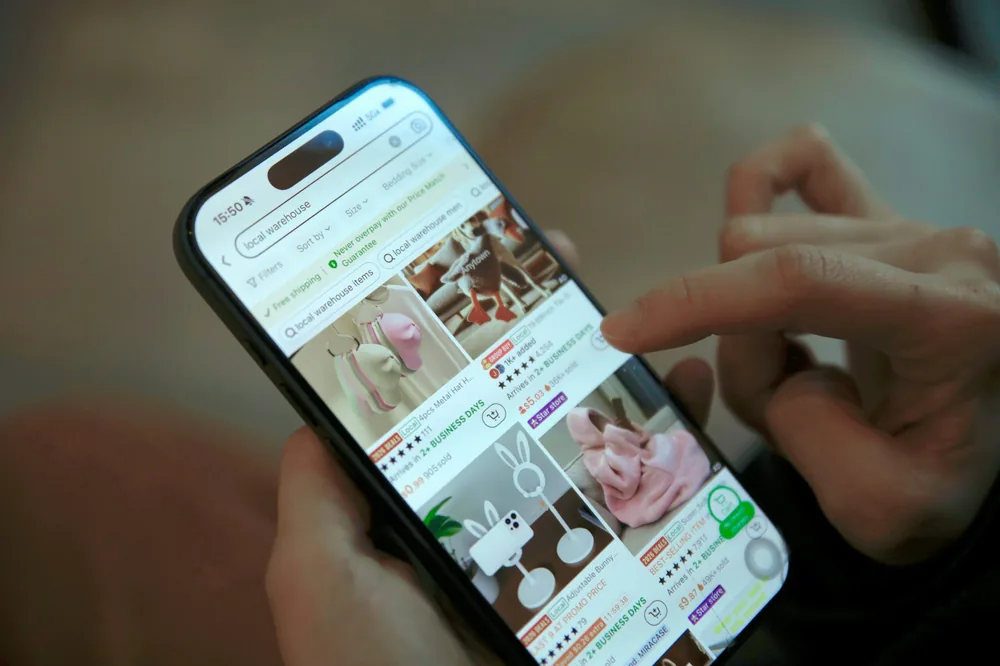
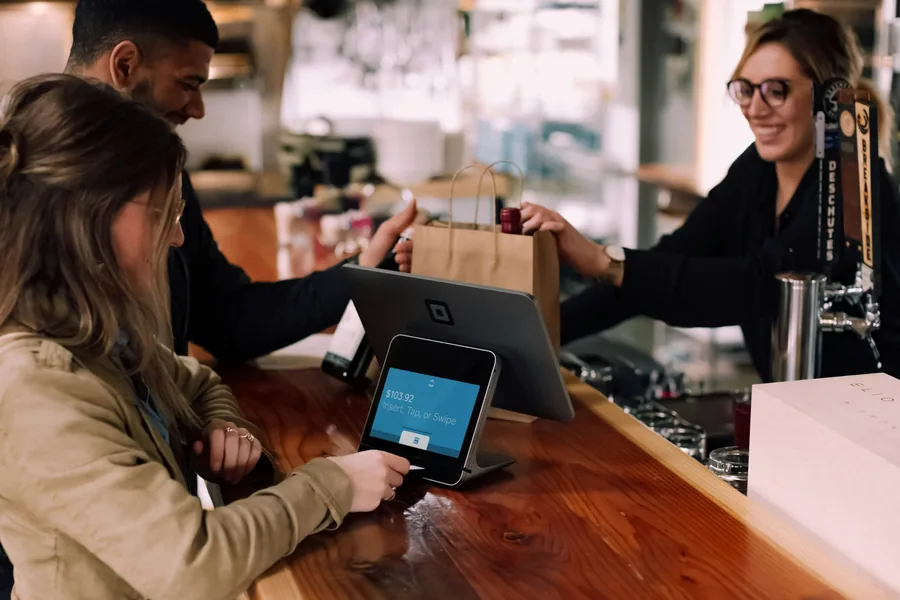
On top of the markup you then pay the platform directly — a delivery fee, a service fee, sometimes a small-order fee, and increasingly a fee whose name explains nothing at all.
That last category has drawn regulatory attention. In April 2026 the Federal Trade Commission sought public comment on whether a rule is needed to address unfair or deceptive fee practices by online food and grocery delivery platforms, saying that fees which are unclear or revealed late in the process harm consumers and distort competition.
What you get for it
It would be unfair to pretend the platforms provide nothing. They genuinely do several things that a small kitchen cannot.
- A driver network, so a restaurant without its own drivers can still deliver.
- Tracking, which people value more than they expect to.
- Discovery, for anyone who does not already know the restaurant exists.
- A card payment path that the restaurant does not have to run.
If those matter to you on a given night, the fees are buying something real. The question is whether you need them every time.
When ordering direct is clearly better
- You already know what you want. Discovery is the platform’s strongest feature and you are not using it.
- You are collecting anyway. Paying a platform for an order you are driving to fetch is the clearest waste.
- Your order needs a change. A dropdown cannot ask a question; a person can — what a kitchen can change about an order covers what is worth asking for.
- You have an allergy. An app note is a poor substitute for a conversation. The guide to allergies and Chinese takeout explains why.
- The restaurant delivers itself. Then the platform is solving a problem you do not have.

How to tell what you are actually looking at
Not every page that offers to take your order is run by the restaurant. Search results routinely mix official sites, delivery platforms and aggregator pages that exist only to capture the click, and they look broadly alike at a glance.
- Check the domain. A restaurant’s own site usually carries its own name.
- Look for a real address and opening hours. Aggregators are often vague about both.
- Compare a few prices against the restaurant’s own menu if you can find it.
- Be wary of a checkout that never names the restaurant after the first screen.
It also matters when something goes wrong. If an order arrives short or incorrect, having one party to call rather than two is the difference between a two-minute fix and an afternoon.
A practical warning about phone numbers
One genuinely useful thing to know: the number listed for a restaurant on a third-party site is not always the restaurant’s number. Some platforms route calls through their own lines so the order still counts as theirs.
New York’s rules require a platform listing a phone number to include the restaurant’s direct number and to identify clearly which is which. Elsewhere that is not guaranteed, so if you intend to reach the kitchen, take the number from the restaurant’s own site.
How this works here
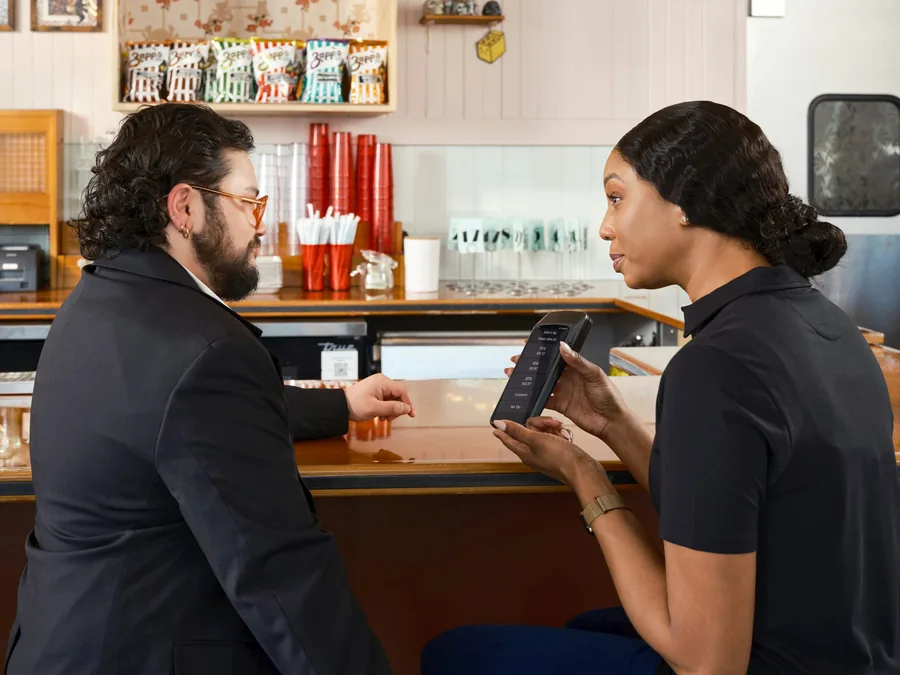
Panda Li’s Kitchen takes orders by phone. There is no app in the middle, which means no platform markup and no service fee — and it also means the ordinary things a person can do, like changing a dish or answering a question about it, are available.
Delivery is run by the restaurant within its own area. The ordering page sets out how pickup and delivery work, and the comparison of delivery and pickup covers which dishes travel well.
A fair summary
Platforms are useful when you want discovery, tracking or a driver a restaurant does not have. They are poor value when you already know the restaurant, you are collecting, or your order needs a conversation. Most people use them by default rather than by decision, and the default is the expensive one.
Frequently asked questions
Is it cheaper to order directly from a restaurant?
Usually. Delivery platforms charge restaurants a commission, and many kitchens raise their prices on those platforms to cover it. Ordering direct avoids both that markup and the service fees added at checkout.
Why are menu prices higher on delivery apps?
Because the platform takes a percentage of every order. Rather than absorb it, many restaurants list higher prices on the app than they charge at the counter.
Is the phone number on a delivery app the restaurant’s real number?
Not always. Some platforms list their own routing numbers instead. If you want the kitchen, use the number on the restaurant’s own website.
Does ordering direct mean no delivery?
No. Plenty of restaurants run their own delivery, with their own drivers and their own area. It is worth checking before assuming an app is the only way to get food brought to you.
The bottom line
The commission and the checkout fees are two separate charges for the same convenience, and you often pay both. If you know what you want and where it is coming from, calling the restaurant is the cheaper and more flexible route.
Orders here are taken by phone, with no platform in between.
See how ordering works