People put a surprising amount of thought into when to order. Is it fresher earlier? Is it worse near closing? Will it be rushed on a Friday? Most of that worry is aimed at the wrong thing, because in a Chinese kitchen the clock affects your wait rather than your food.
The short answer
Order before about 6:00 PM if you want the shortest wait, or mid-afternoon if you want almost none. The food is cooked when your order arrives, whatever the hour, so timing is about queueing rather than quality.
Why freshness barely varies
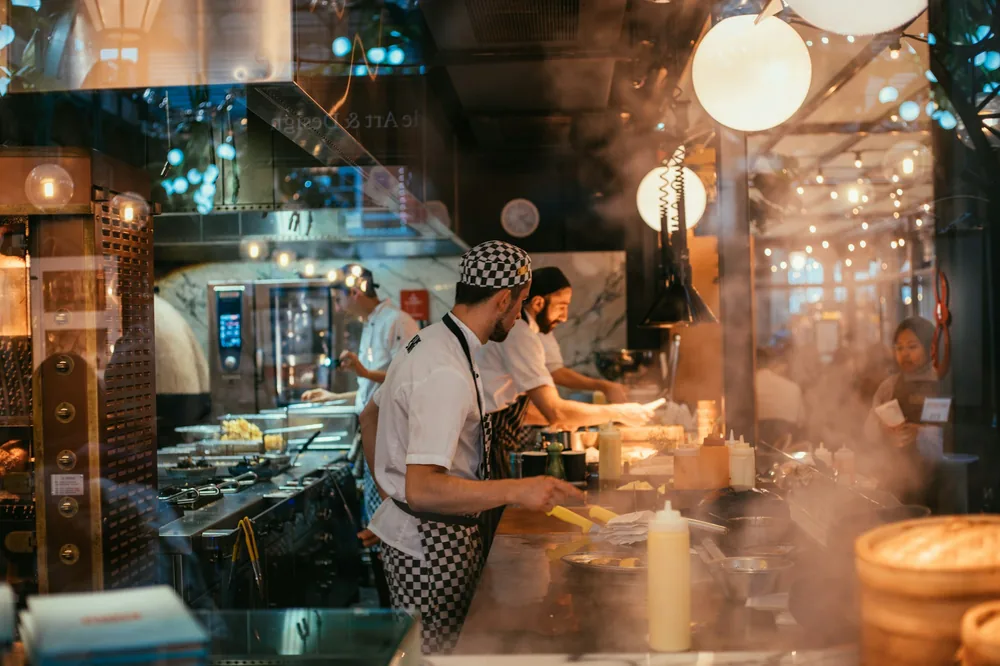
This is the part that separates a wok kitchen from a great many other places to buy food. Stir frying is a to-order technique: the components are prepped in advance, and the dish itself is assembled in the pan in a minute or two once someone asks for it.
Nothing sits in a tray under a lamp waiting to be sold, because there is nothing to gain by making it early. The range of Chinese cooking techniques is built around fast, high-heat methods for exactly this reason, and the guide to why restaurant Chinese food tastes different covers how quick that cooking really is.
What does change with the clock
| Time | What it is like | Best for |
|---|---|---|
| 11:00 AM – 12:00 PM | Quiet, kitchen just open | The shortest wait of the day |
| 12:00 – 2:00 PM | Lunch trade | Lunch specials, moderate wait |
| 2:00 – 5:00 PM | The quietest stretch | Large or complicated orders |
| 5:00 – 6:30 PM | Building | Dinner without the peak |
| 6:30 – 8:00 PM | The busiest window | Order earlier than you want to eat |
| After 8:30 PM | Winding down | Simple orders |
The single most useful habit is in the fifth row. If you want to eat at seven on a Friday, place the order at half past six rather than at seven, and the peak stops being your problem.
The mid-afternoon window
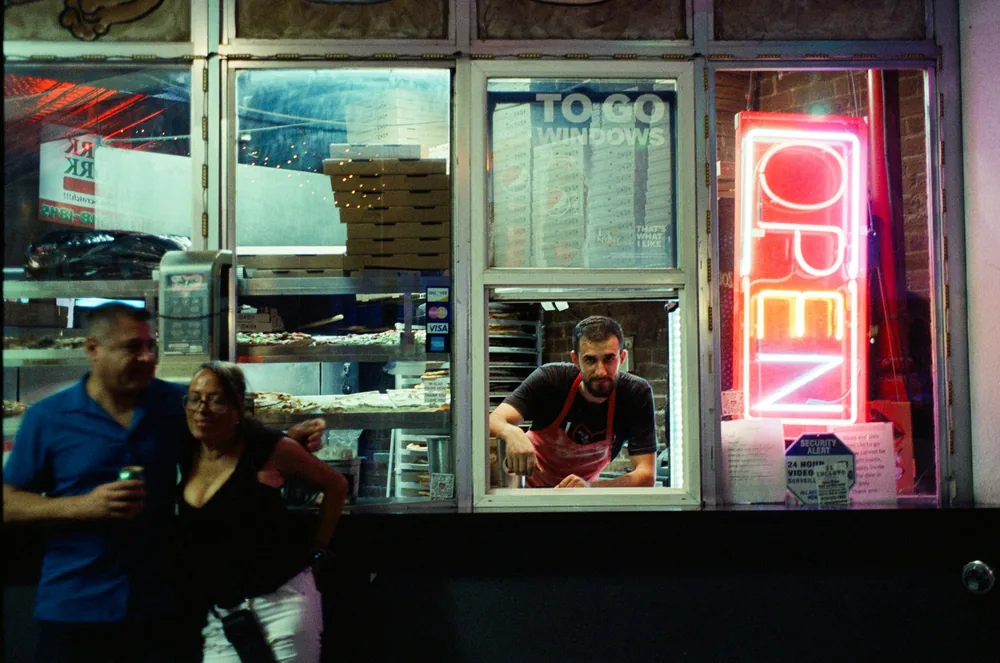
Between the lunch trade and the dinner trade there is a genuinely quiet stretch, and it is the best time in the day for anything out of the ordinary.
- A large order for a group gets full attention rather than a place in a queue.
- A question about ingredients gets a considered answer — the point made in the guide to allergies and Chinese takeout.
- A substitution or a change is easier to accommodate.
- A first order from a new menu, if you want to ask what things are.
Lunch and dinner are different offers
Worth knowing before you pick an hour, because it is not only the wait that changes. On this menu the lunch specials run from 11:00 AM to 3:00 PM and are listed as served with pork fried rice and soup or a soda; the dinner specials are listed as served with pork fried rice and an egg roll or soup.
So the same dish can arrive with different things beside it depending on when you order it. The guides to how lunch specials work and the dinner specials cover both, and what comes with each section covers the rest of the menu.
Does the day of the week matter?
Less than the hour does, with one exception. Friday and Saturday evenings are busier than the rest of the week by a wide margin, so the peak lasts longer and starts earlier. Everything above applies, just more so.
The advice you sometimes see about particular days being fresher comes from restaurants that hold stock and cook in batches, and it does not transfer well to a kitchen that cooks each order as it comes in. Midweek is quieter; that is the whole difference.
When you actually want to eat
The most common timing mistake has nothing to do with the restaurant. People order at the moment they become hungry, which is the moment everyone else does too, and then wait through the busiest part of the evening.
- Decide when you want to eat, then work backwards.
- Add the kitchen time — more at peak, less off-peak.
- Add the journey, whichever direction it travels.
- Place the order at that point, not when you sit down hungry.
Half an hour earlier than feels necessary is usually right on a Friday, and ten minutes is plenty on a Tuesday afternoon.
Ordering late
There is a persistent worry about ordering close to closing, and it deserves a straight answer: ordering inside opening hours is not rude. A kitchen that closes at 9:30 is open until 9:30.
What is considerate is keeping a very late order simple, and placing it a few minutes before the last minute rather than at it. A single stir fry at 9:15 is an ordinary request; a fifteen-item order at 9:29 is a different proposition.
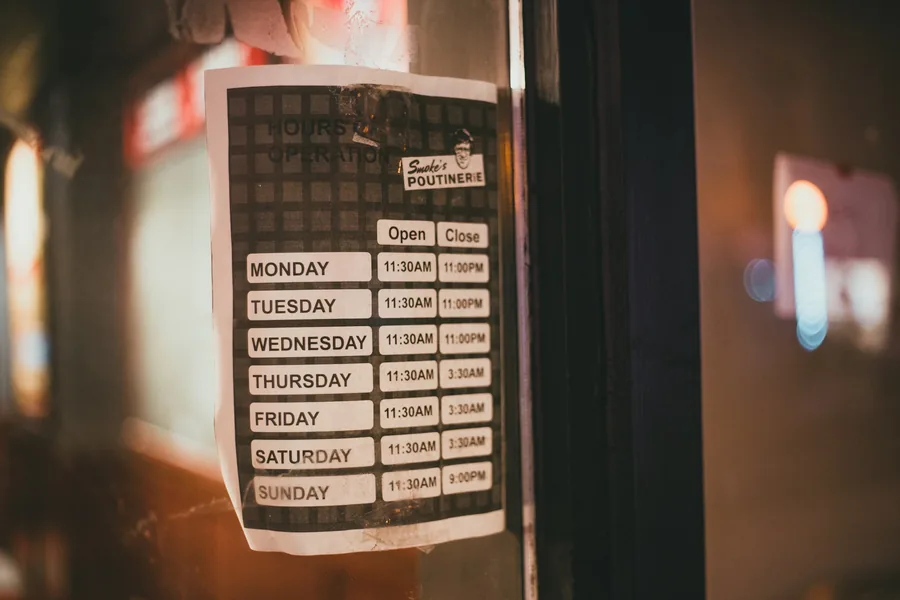
Hours here are 11:00 AM to 9:30 PM daily, and until 10:30 PM on Fridays.
And if the plan changes after you have called, what can still be changed depends almost entirely on how quickly you ring back.
Timing the journey home
One last piece of timing that matters more than the hour you order. Whatever time the food is ready, the clock that counts is the one that starts when the lid goes on — fried food in particular loses its crispness by the minute.
So if you are collecting, aim to arrive when it is ready rather than early or late, and unpack it as soon as you are home. The comparison of delivery and pickup covers which dishes are most affected.
Frequently asked questions
What is the best time to order Chinese takeout?
Early evening, before about 6:00 PM, or mid-afternoon if you want the shortest wait. The food itself is cooked to order at any hour; what changes with the clock is how long you wait for it.
Is the food fresher at certain times?
In a wok kitchen, not really. Stir fried dishes are cooked when the order comes in rather than held ready, so time of day affects the wait far more than it affects the food.
When is a Chinese restaurant busiest?
Friday and Saturday evenings, and the hour either side of 7:00 PM most nights. Ordering half an hour earlier than you want to eat is the simplest fix.
Is it rude to order just before closing?
It is not rude to order within opening hours. It is considerate to keep a very late order simple, and to place it a little before the last minute rather than at it.
The bottom line
The food does not get better or worse with the hour, because it is cooked when you ask for it. What changes is the queue. Order half an hour earlier than you want to eat, use the mid-afternoon lull for anything complicated, and do not worry about ordering late.
Open 11:00 AM to 9:30 PM daily, and until 10:30 PM on Fridays.
See how ordering works