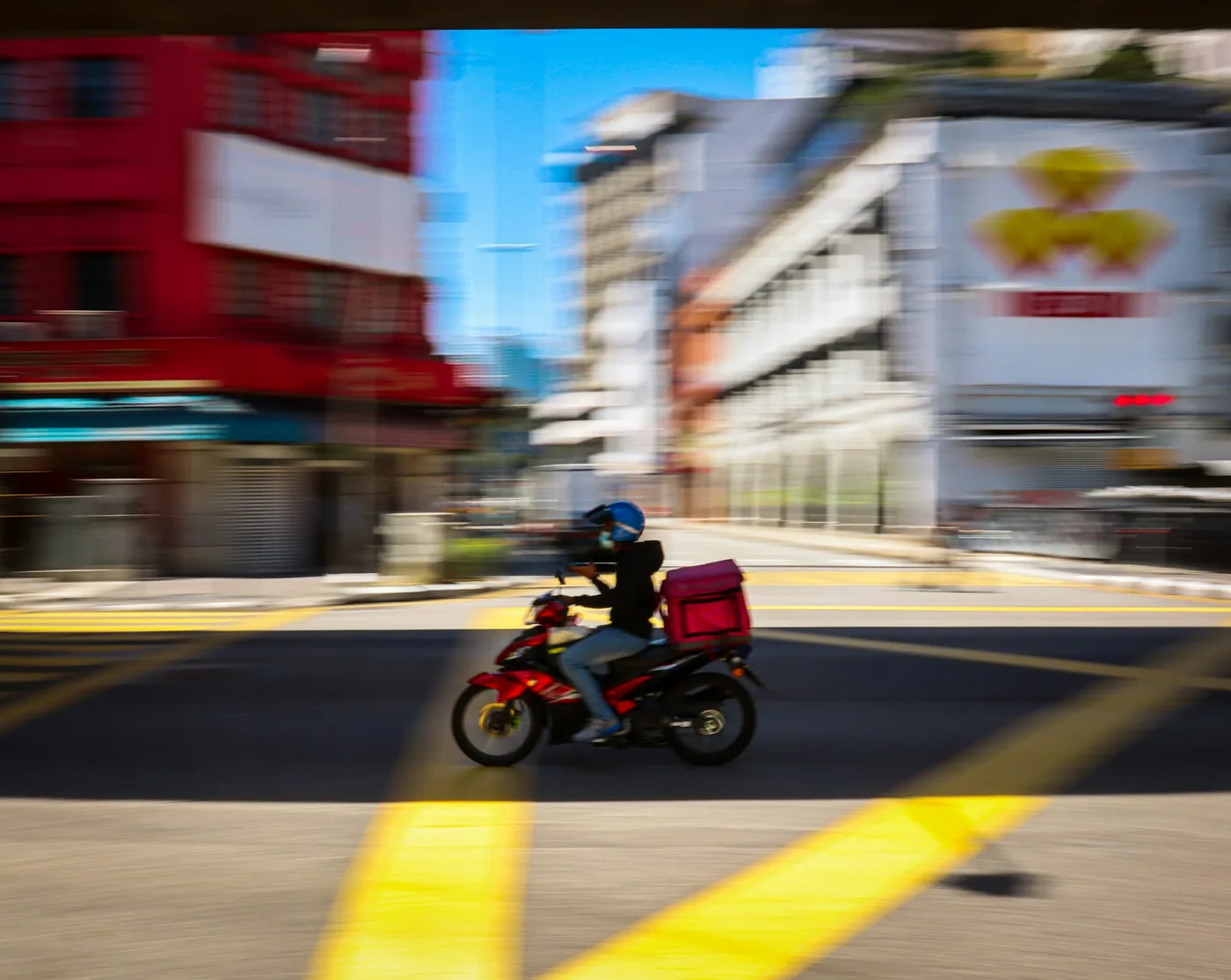
Most people choose between delivery and pickup on convenience alone, which is fair enough. But the decision does affect the food, and for some dishes it affects it a lot. It is worth knowing which ones before you order.
The short answer
Pickup gives you better food; delivery gives you convenience and suits larger orders. The difference is time in a closed container. Anything fried degrades quickly; saucy dishes, rice and noodles barely notice.
What actually happens in the bag
Hot food in a sealed container produces steam, and that steam has nowhere to go. On a crisp-fried dish it condenses on the coating and softens it, which is why an egg roll that was excellent at the counter can be disappointing twenty minutes later.
Sauced dishes are unaffected, because there was no crispness to lose. Rice and noodles hold up well too. So the real question is not delivery versus pickup in general — it is what you are ordering.
How different dishes travel
| Dish type | How well it travels | Notes |
|---|---|---|
| Soups | Very well | Sealed and hot; eat first if collecting |
| Rice dishes | Very well | Little change in texture |
| Lo mein and saucy noodles | Well | Sauce protects the noodles |
| Sauced stir fries | Well | Nothing crisp to lose |
| Mei fun | Moderately | Dry noodles can stiffen if left |
| Steamed dumplings | Moderately | Soften slightly but stay pleasant |
| Fried dumplings and egg rolls | Poorly | The crisp base and shell go first |
| Crisp-fried chicken and sweet and sour | Poorly | Coating softens within minutes |
When pickup is worth the trip
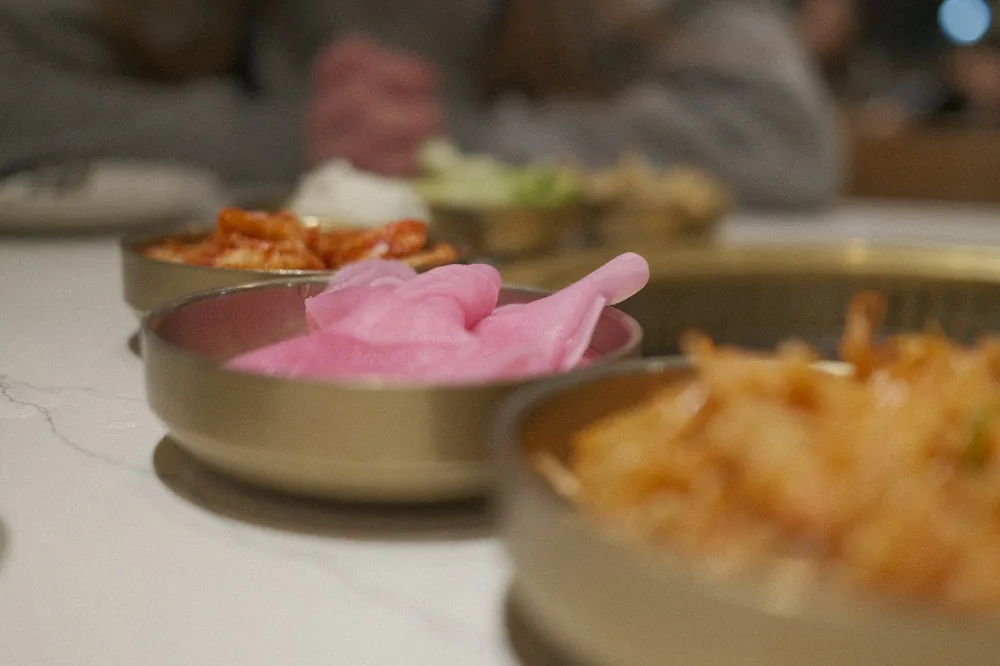
- You are ordering fried food. Egg rolls, fried wontons, sweet and sour, General Tso’s chicken — all noticeably better collected.
- You live close by. A five minute drive changes very little; a thirty minute delivery does.
- It is a small order. A single meal may fall under a delivery minimum anyway.
- You want it fast. Collection is usually quicker than waiting for a driver, especially at peak times.
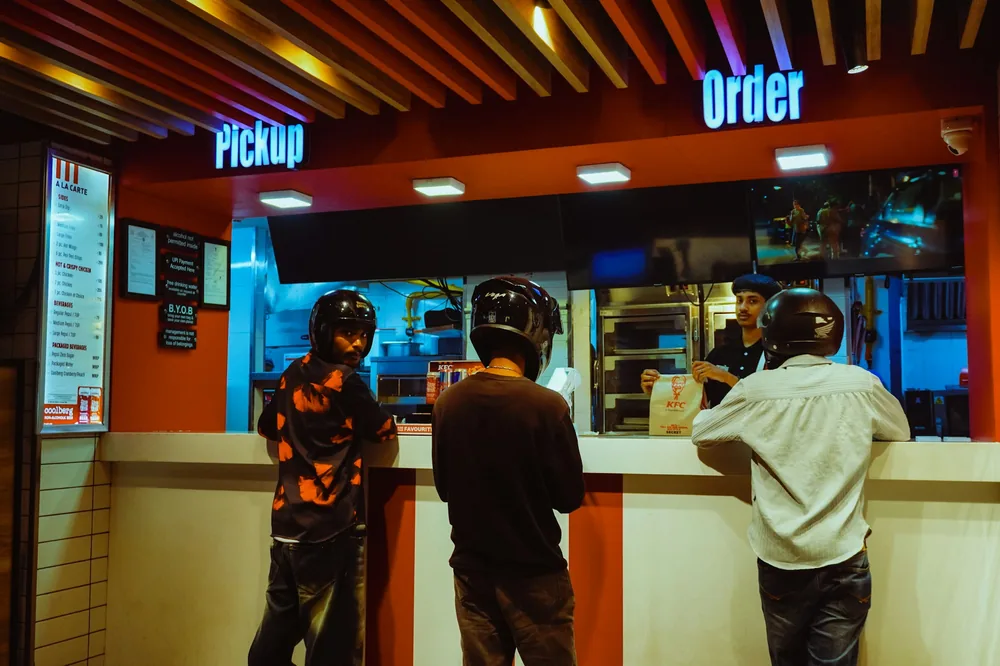
There is a third reason to have food delivered that has nothing to do with your own evening — sending a meal to someone else is one of the more useful things a delivery can do.
When delivery makes more sense
- You are feeding a group. Larger orders are harder to carry and the food is mostly sauced anyway.
- The order is soup, rice and noodles. None of it suffers.
- Getting there is impractical. The obvious one, and a perfectly good reason.
- You are ordering at a peak time. Waiting at home beats waiting at a counter.
How delivery areas usually work
Most independent restaurants deliver within a fixed radius rather than anywhere in the city, with a minimum order and a fee that changes with distance. Panda Li’s Kitchen lists delivery within a six mile radius of E Michigan Street, with a minimum order and a fee that varies by distance band.
The ordering page sets out the area, the minimum and the fees, and the location page has the address if you are collecting.
What changes on a longer journey
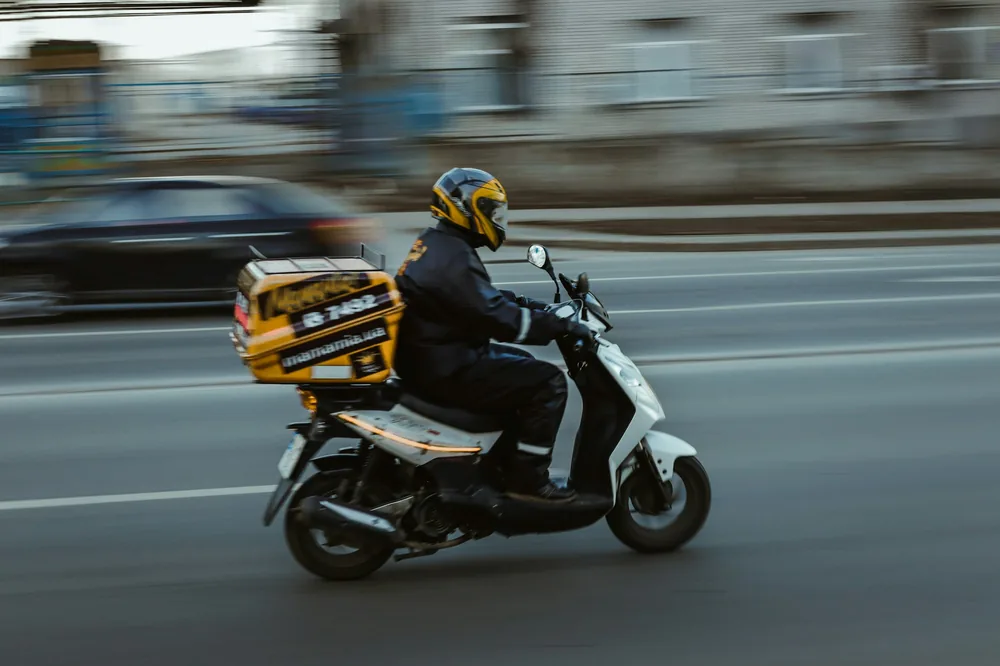
Distance matters less than sealed time. A container that has been closed for ten minutes is in much the same state whether it travelled two miles or five. What changes things is how long the lid has been on.
| Time in the container | Fried dishes | Sauced dishes and rice |
|---|---|---|
| Under 10 minutes | Still crisp | Unaffected |
| 10–20 minutes | Noticeably softer | Unaffected |
| 20–40 minutes | Soft throughout | Slightly cooler, otherwise fine |
| Over 40 minutes | Needs reheating to be good | Worth reheating for warmth |
That is the honest case for collecting when you are ordering fried food and live nearby, and the equally honest case for having soup, rice and noodles delivered without a second thought.
It also explains a habit worth adopting: if an order contains both, eat the fried items first and let the sauced dishes wait. They will be just as good in ten minutes; the egg rolls will not.
A note on tipping and timing
Two practical points that have nothing to do with food quality. Delivery involves someone driving to you, so budget for a tip in the same way you would at a table. And at peak times — Friday and Saturday evenings especially — both routes take longer, so ordering half an hour earlier than you think you need to is usually the difference between eating when you wanted to and waiting.
Ordering so it survives the journey
- Ask for sauces on the side. Sweet and sour in particular is transformed by this.
- Order fried items only if you will eat them straight away. Otherwise pick something sauced.
- Have plates ready. Unpacking immediately does more for the food than any reheating.
- Eat the fried things first and the saucy ones after; the order of eating matters more than people think.
- Do not stack containers in a bag on a warm seat. Heat retained is steam produced.
There is a third question behind both routes: whether you order through the restaurant or through a platform. What changes when you order direct covers the difference.
Ordering by phone
Both routes usually start with a call at an independent restaurant. A few things make that go smoothly: have the whole order written down before you dial, know whether you want small or large sizes, and ask for a time rather than assuming — kitchens are much busier at some hours than others.
If you are collecting, asking when to arrive is worth doing. Turning up ten minutes early usually means standing around; ten minutes late means food sitting under a heat lamp.

The qualities that fade fastest in a container are the ones that came from the wok in the first place, which is why fried food suffers most. Why restaurant Chinese food tastes different covers what that heat does and why it does not survive the journey.
There is one request that changes this more than any other: asking for the sauce separately, so a fried coating survives the journey. Customising a Chinese order covers that and the rest.
A note on food safety
Whichever route you choose, the clock starts when the food leaves the kitchen. General food safety guidance from the US Food and Drug Administration is that perishable food should not sit at room temperature for more than two hours — and that window includes the journey home, not just the time on your counter.
Frequently asked questions
Is Chinese food better collected or delivered?
Collected, if you can. Less time in a closed container means crisp things stay crisp and nothing steams itself soft. Delivery wins on convenience and for larger orders.
Which Chinese dishes travel worst?
Anything fried: egg rolls, fried wontons, crisp-fried chicken and sweet and sour. Steam trapped in the container softens the coating within minutes.
Is there a minimum order for delivery?
Usually. Panda Li’s Kitchen lists delivery within a six mile radius with a minimum order, and a fee that varies by distance. Check the ordering page for current details.
How can I keep delivered food warm?
Have plates ready before it arrives, unpack immediately rather than leaving it bagged, and eat the fried items first. Reheating is a last resort rather than a plan.
The bottom line
If the order is fried, collect it. If it is soup, rice, noodles and sauced dishes, have it delivered and lose nothing. And whichever you choose, unpack it the moment it lands.
Delivery area, minimum order and fees are set out on the ordering page.
See how ordering works