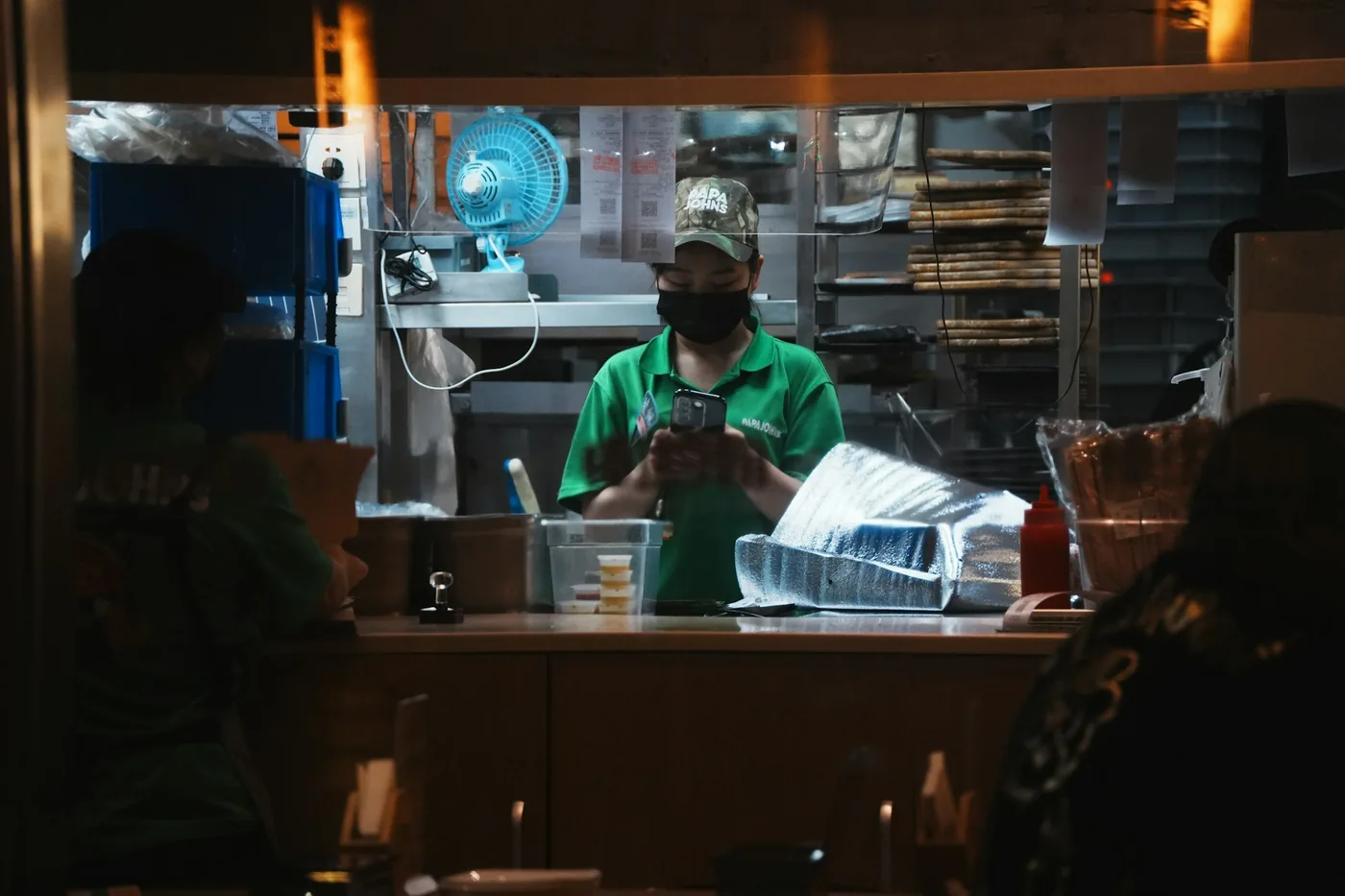
You call to order, you give your name, and the next question is your phone number. Most people give it without thinking; a few hesitate. Almost nobody has been told what it is for, which is a shame, because the answer includes one genuinely useful thing you can ask for.
The short answer
It is how they reach you if something goes wrong, and how they tell your order apart from everyone else’s. In many kitchens it is also the key to your previous orders, which is why asking for the usual sometimes works.
The four practical reasons
- To tell two orders apart. Three people called Chris on a Friday evening is not unusual. A phone number is the only thing that is reliably unique.
- To call you if something is wrong. An ingredient has run out, a dish is unavailable, the address is outside the delivery area. Without a number they simply cook what they have and hope.
- So a driver can reach you. This is the big one for delivery. Most failed deliveries are a door nobody answers rather than a wrong address.
- To find the order again afterwards. If you call back about a mistake, the number is how they locate the ticket — the point made in the guide to what to do when an order is wrong.
The useful part: asking for the usual
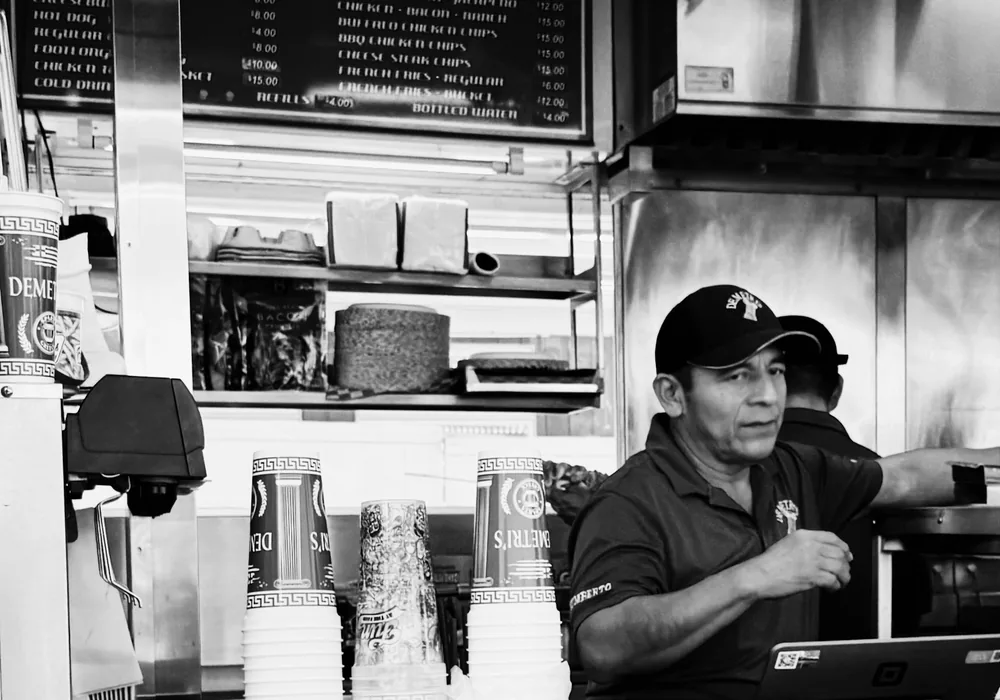
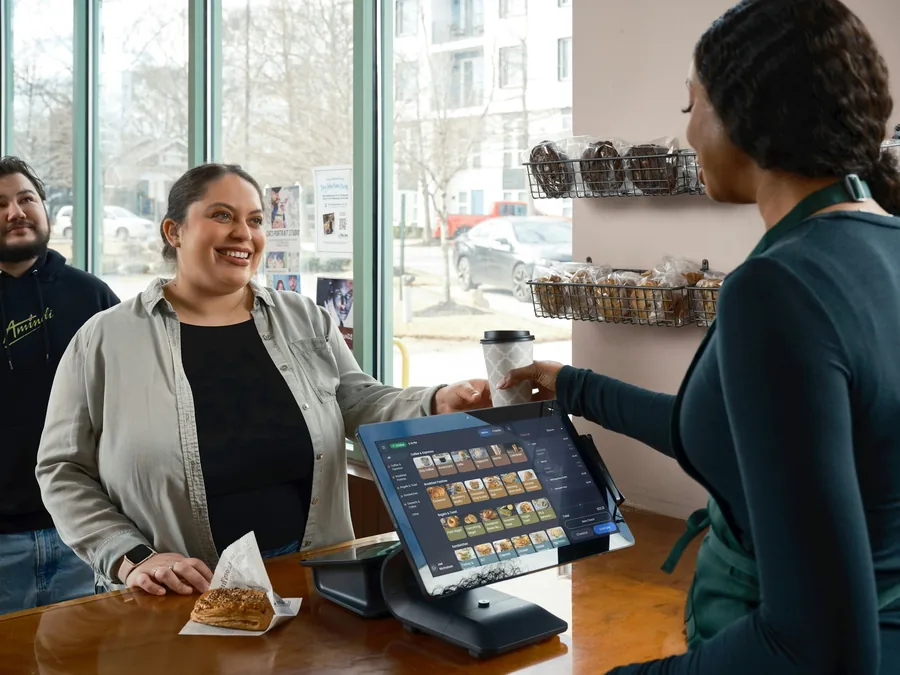
Here is the thing worth knowing. Most modern till systems link orders to a phone number, so when you call back the person answering can often see what you ordered last time.
Which means “can you see what I had last time?” is a real question with a real answer, not a presumption. It is quicker than reading out five items, it reduces mistakes, and on a busy night it is genuinely helpful to both sides.
It also works in the other direction. If there is something you always ask for — no chilli, sauce on the side, extra rice — mentioning that it is your standing preference sometimes gets it noted against the number. The guide to customising an order covers what is worth asking for in the first place.
What they can actually see
| Usually stored | Usually not stored |
|---|---|
| Name and phone number | Anything you did not tell them |
| Delivery address, if you gave one | Card details, in most small operations |
| Past orders against that number | Anything from other restaurants |
| Notes staff added, like an allergy | A profile built from outside sources |
The short version is that a neighbourhood kitchen holds what you gave it and very little else. The contrast is with ordering platforms, which sit between you and the restaurant and collect a good deal more — one of several differences covered in ordering direct against using an app.
If you would rather not give it
You are usually not obliged to, and it is a reasonable thing to decline. It is worth understanding what you are trading away, though, because it is not nothing.
- For collection, a name and a rough time is normally enough. The cost is that they cannot warn you if something is unavailable.
- For delivery, it is much harder. A driver at the wrong door with no way to call is the most common cause of a cold, late or undelivered order.
- For a large order, it is worth giving. Too much can go wrong for a kitchen to have no way of reaching you — see organising a group order.
If the underlying worry is marketing calls rather than this restaurant specifically, the National Do Not Call Registry is the practical place to start. Most independent kitchens are not running marketing campaigns; the calls people actually resent tend to come from somewhere else entirely.
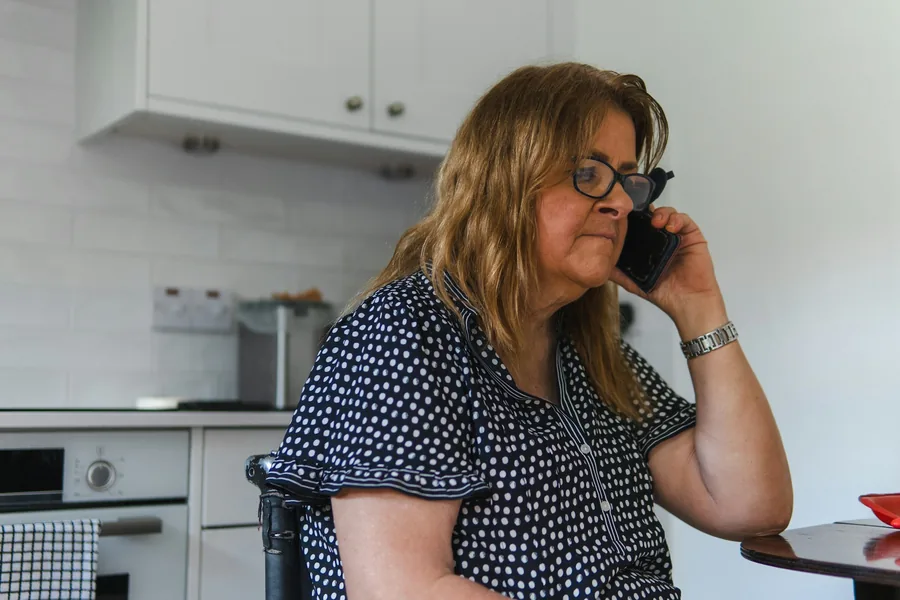
Why the name alone is not enough
It seems like it should be. In practice a name is a poor identifier on a busy evening, and the failure modes are all small and all annoying.
- Two orders under the same name is the classic, and it is how people end up driving home with somebody else’s dinner.
- A name heard slightly wrong over a noisy line splits one order into two tickets.
- Somebody else collecting arrives and asks for a name the counter does not have.
- A common surname in a neighbourhood with a lot of regulars stops narrowing anything down at all.
A phone number solves all four at once, which is why it became the standard question rather than anything more elaborate.
Becoming a regular is mostly this
There is no loyalty scheme involved and nothing to sign up for. Using the same number, ordering roughly the same things and being easy to deal with is the whole mechanism.
The practical benefit is small but real: the order goes in faster, your preferences stick, and if something is wrong the conversation starts from a position of goodwill rather than suspicion. That is worth more on a Friday night than any voucher.
What to give and how
- The number you will actually answer, not a landline you are not near.
- Say it slowly, twice, if the line is busy. Half of all wrong numbers are mishearings.
- Mention if it is a new address even when the number is the same.
- Say if somebody else will collect, so the name on the bag matches the person at the counter.

Frequently asked questions
Why do restaurants ask for your phone number?
Mainly so they can reach you if something goes wrong with the order, and so the right bag goes to the right person. On a busy evening two orders under the same first name is common.
Can a restaurant look up my previous order?
Often yes. Many till systems store past orders against a phone number, so asking for “the usual” can genuinely work. It is worth asking rather than assuming it does not.
Do I have to give my number?
Generally no, though it makes a delivery harder to complete and a mistake harder to fix. A name and a collection time is usually enough for a straightforward pickup.
Will a restaurant use my number for marketing?
Most independent kitchens simply do not. If unwanted marketing calls are a concern more generally, the National Do Not Call Registry is the place to start.
The bottom line
It exists so they can reach you and tell your order apart from everyone else’s, and in most kitchens it is also the key to what you ordered last time. Ask whether they can see it — it is the fastest way to place an order you have placed before.
Orders here are taken by phone, so the number goes to the kitchen and nowhere else.
See how ordering works