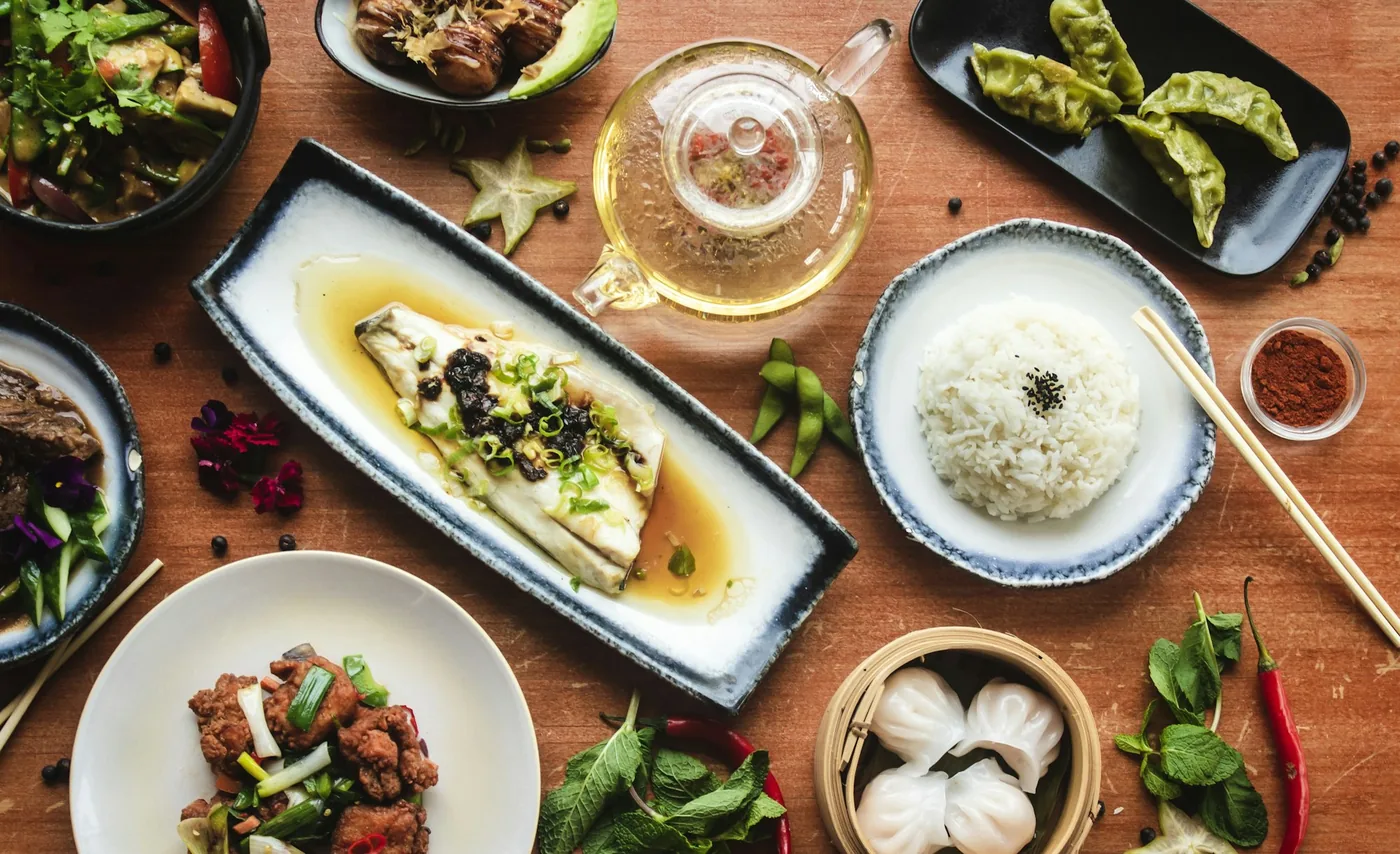
Most people order the same handful of things from a Chinese menu: lo mein, fried rice, beef with broccoli, General Tso’s chicken, sweet and sour, maybe an egg roll. It is a good list. It is also about six items out of nearly three hundred.
Here is what sits in the rest of the menu, and which of it rewards a change of habit.
The short answer
The dishes most worth trying are the ones that are structurally different from what you already order — not another sauce on fried chicken. Egg foo young, moo shu, chop suey and roast duck each eat unlike anything in the usual rotation.
Egg foo young
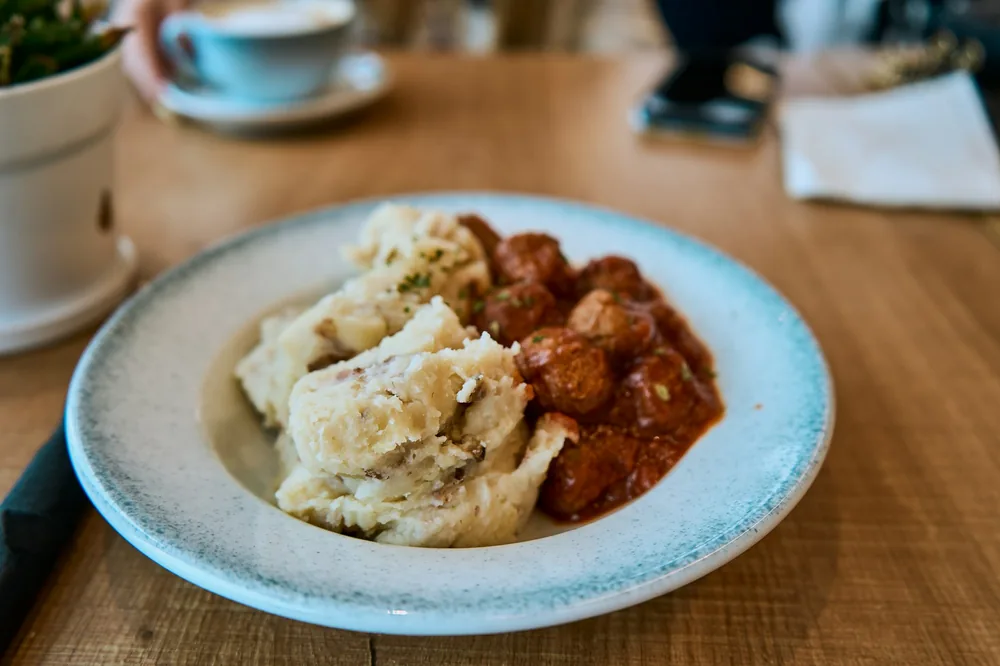
A thick egg patty, closer to an omelette than a stir fry, made with a filling of meat or vegetables and usually served with a brown gravy and rice. It is one of the oldest Chinese-American dishes and now one of the least ordered.
Order it if you want something savoury and substantial that is not built on noodles or a sauced stir fry. It is also the most likely thing on the menu to win over someone who is not sure they like Chinese food.
Moo shu
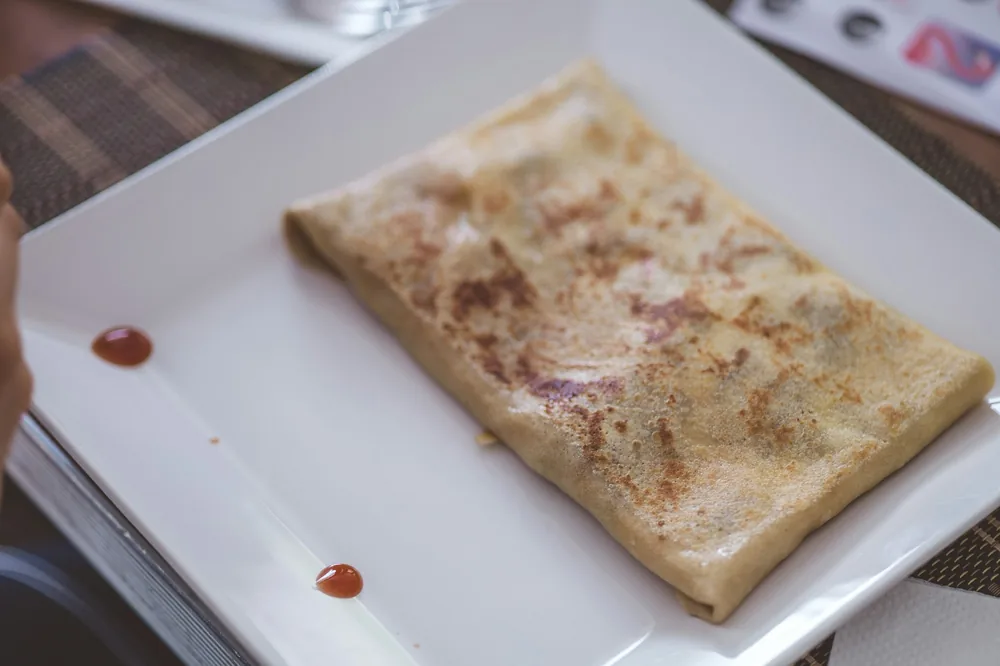
A stir fry of shredded meat with vegetables and egg. What makes it different is the presentation: traditionally it is eaten wrapped in thin pancakes, assembled at the table, rather than spooned over rice.
That makes it the most interactive dish on the menu and a good one for a table with children. Whether the pancakes come with it varies between restaurants, so ask when you order if that is the version you are expecting.
Chop suey
Meat and mixed vegetables in a light sauce, served over rice. It is the most vegetable-forward stir fry on most menus and, for a period in the twentieth century, it was the dish Americans most associated with Chinese food.
It fell out of fashion as menus widened, which is why it now sits quietly near the chow mein. If you want something lighter than the sauced entrées around it, this is the section to look at. The comparison of chow mein and chop suey covers how the two differ.
Roast duck
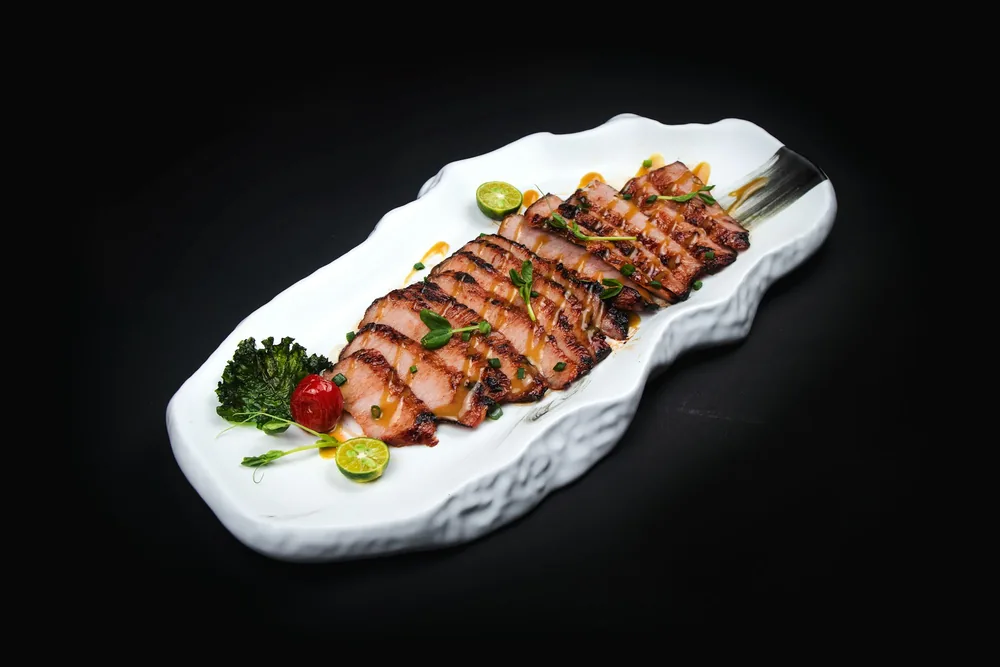
The most distinctive thing on many Chinese menus and usually the most expensive. Duck is richer and more flavourful than chicken, and roasting gives it crisp skin and a texture nothing else in the menu offers.
It is a dish to order deliberately rather than casually — a centrepiece for a table rather than a weeknight container. Worth doing once to see what the kitchen can do.
The house specials people skip
The house specials section is where the larger and more elaborate plates sit, and most of it goes unordered because the names give away less than the familiar dishes do.
| Dish | What it is | Who it suits |
|---|---|---|
| Happy Family | Several proteins with mixed vegetables | A table that wants one big shared dish |
| Seafood Delight | A seafood combination with vegetables | Anyone wanting the lightest of the large plates |
| Triple Delight | Three proteins in one dish | Diners who cannot choose |
| Four Season | A combination plate of several components | Sharing across a table |
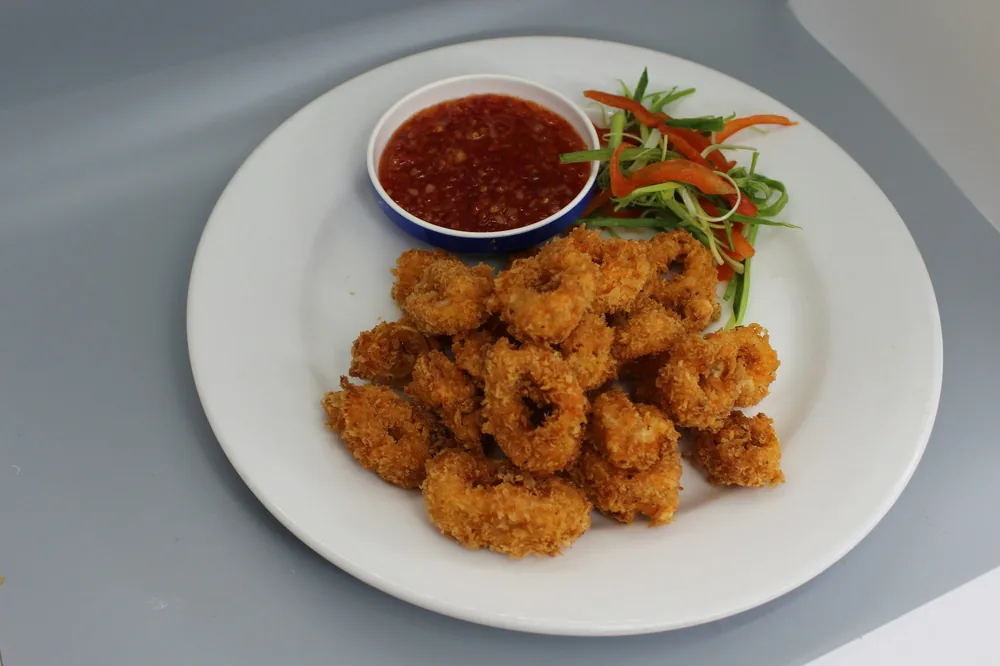
| Salt and Pepper Shrimp | Crisp fried shrimp, dry-seasoned | Anyone who finds sauced dishes too sweet |
| Walnuts Shrimp | Shrimp in a creamy glaze with candied walnuts | A richer, dessert-adjacent savoury dish |
| Crispy Beef | Twice-cooked beef in a sticky sauce | Texture over sauce |
| Roast Duck | Roasted duck, richer than chicken | A centrepiece order |
If you want a change but not a risk
Not everyone wants to gamble on a whole entrée. These are the low-risk steps sideways from the usual order:
- Order mei fun instead of lo mein. Same idea, thinner rice noodles, much lighter plate.
- Order black bean sauce instead of brown sauce. Savoury and salty rather than sweet.
- Order sweet and sour shrimp instead of chicken. Same familiar sauce, different result.
- Order a soup you have not had. Hot and sour is the biggest step from egg drop.
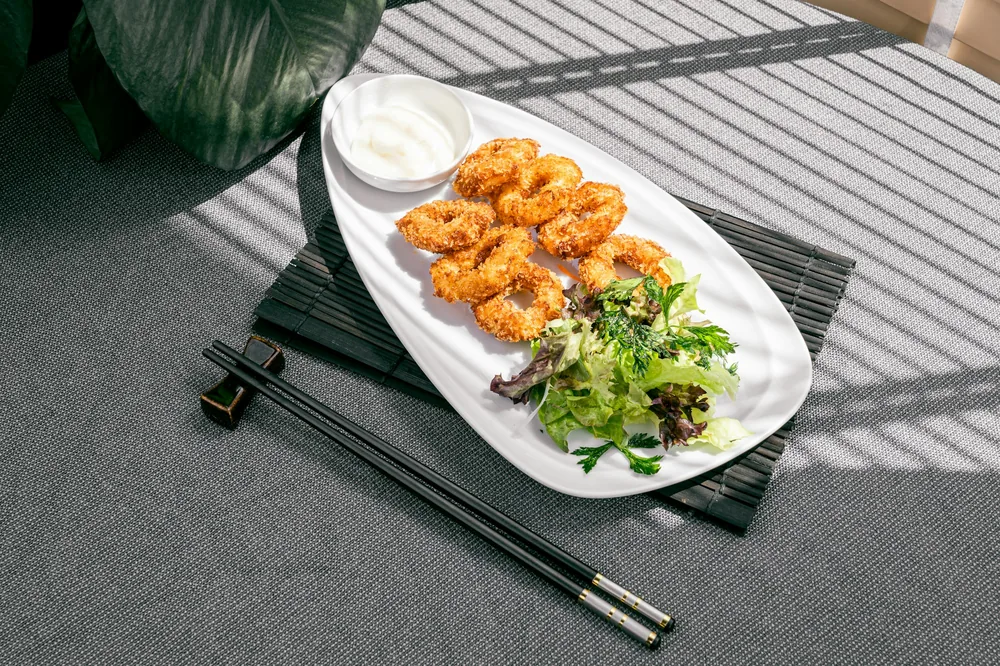
- Order salt and pepper shrimp instead of a sauced dish. Crisp, dry, and not sweet.
How to try something new without wasting an order
The trick is not to bet the whole meal on it. Order your usual, add one unfamiliar dish in a small size, and share it around. If it works, you have a new default; if it does not, you have still eaten well.
That is easier with Chinese food than most cuisines, because everything is designed to be shared and most dishes come in two sizes.
Where these sit on the menu
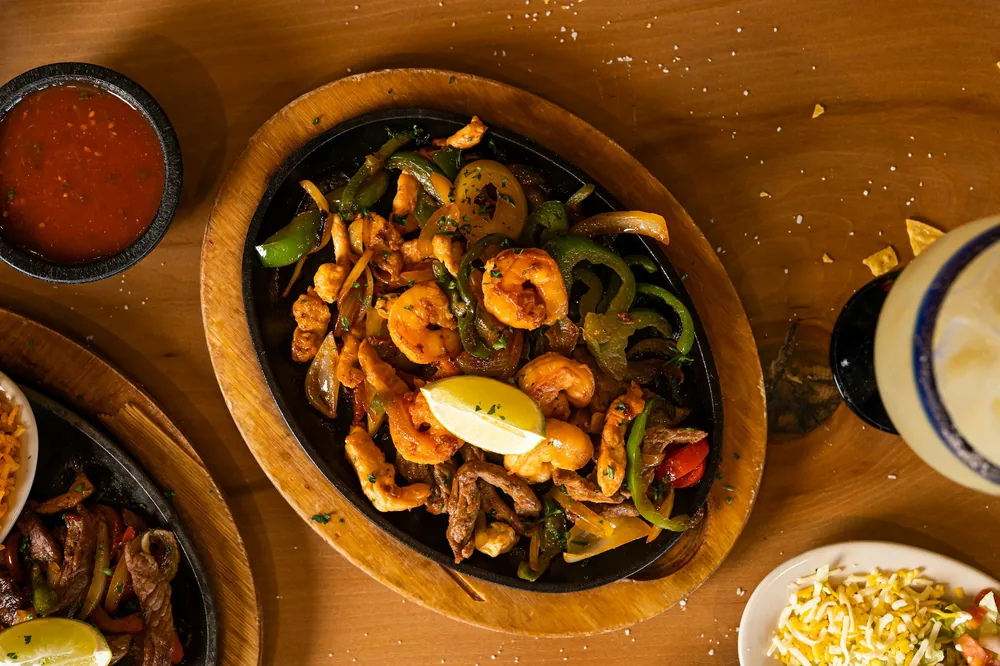
Most of the dishes above are in the house specials section. Egg foo young and chop suey have their own sections, and moo shu appears within the beef, pork, chicken and seafood sections rather than on its own.
A note on Chinese-American cooking
Several of these dishes — chop suey and egg foo young in particular — were developed by Chinese cooks working in the United States rather than imported wholesale, which is exactly what makes them worth knowing. The background on American Chinese cuisine covers how that tradition formed.
Frequently asked questions
What should I order at a Chinese restaurant if I am bored of my usual?
Look at the house specials section first — that is where the larger, more elaborate dishes sit. Egg foo young, moo shu and chop suey are also worth trying if you have never ordered them.
What is egg foo young?
An egg patty, similar to a thick omelette, made with a filling of meat or vegetables and usually served with gravy and rice. It is one of the oldest Chinese-American dishes and one of the least ordered.
What is moo shu?
A stir fry of shredded meat, vegetables and egg. In the traditional presentation it is eaten wrapped in thin pancakes rather than served over rice, though whether pancakes are included varies by restaurant.
Is roast duck worth ordering?
It is one of the more expensive things on a Chinese menu and quite different from the stir fried dishes around it — richer, with crisp skin. Worth trying at least once if the menu carries it.
The bottom line
If you are going to try one thing, make it structurally different from what you already order. Egg foo young if you want savoury and substantial, moo shu if you want something to assemble, chop suey if you want lighter, roast duck if you want an occasion.
Part of what makes these dishes worth ordering rather than attempting at home is the equipment they depend on. Why restaurant Chinese food tastes different explains the gap.
The house specials section is where the less familiar plates live.
View house specials