Look down a Chinese menu and the same proteins repeat over and over. Chicken appears a dozen times, beef nearly as often. What actually distinguishes one dish from the next is almost always the sauce — and the menu rarely explains what any of them are.
The short answer
Brown sauce is the dark, savoury default. White sauce is the pale, lighter alternative used where a dark sauce would overwhelm. Garlic sauce is savoury with chilli. Black bean sauce is salty and deeply savoury from fermented beans. Learn those four and most of the menu becomes readable.
Brown sauce
The one you have eaten most. It is a general term rather than a single recipe: a dark, savoury sauce built on soy sauce and stock, seasoned and lightly thickened. It is what coats beef with broccoli, chicken with snow peas, moo shu and most of the standard stir fries.
Because it is a category rather than a fixed formula, it varies between kitchens. What stays constant is the character: savoury rather than sweet, dark rather than pale, and thick enough to cling.
White sauce
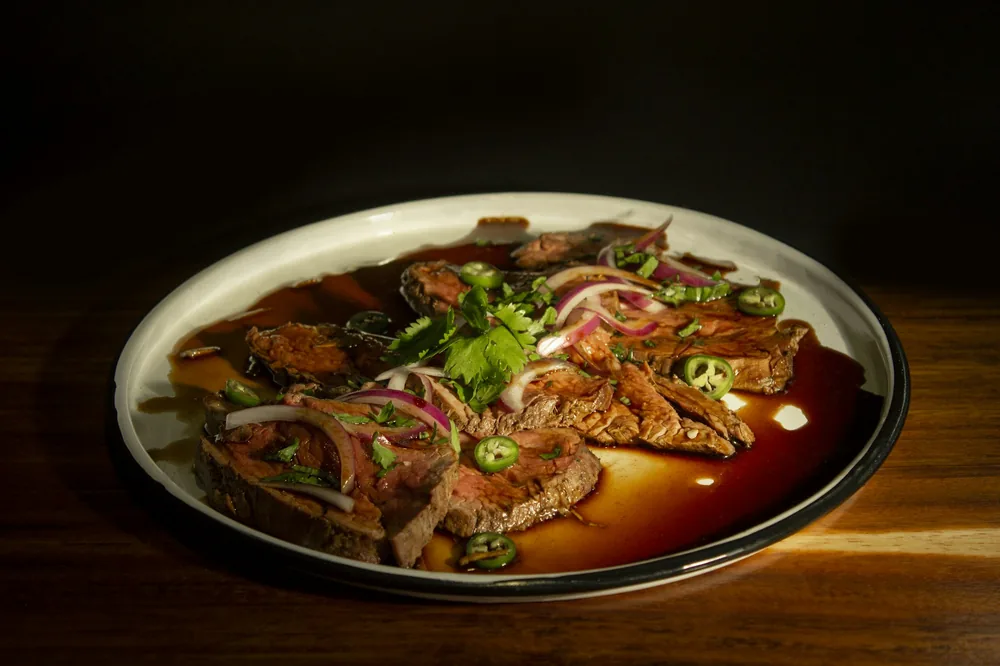
The counterpart, and the one that confuses people because it is not white in the way a cream sauce is. It is pale rather than dark, because it is made without soy sauce — typically from stock, seasoning and a starch thickener.
It exists for the same reason a light stock exists in any cuisine: some ingredients are too delicate for a dark, assertive sauce. It is most often paired with seafood and with lighter vegetables.
Shrimp with lobster sauce is the version most people meet first, and it is worth repeating that the name refers to a sauce traditionally served with lobster rather than to lobster in the dish.
Garlic sauce
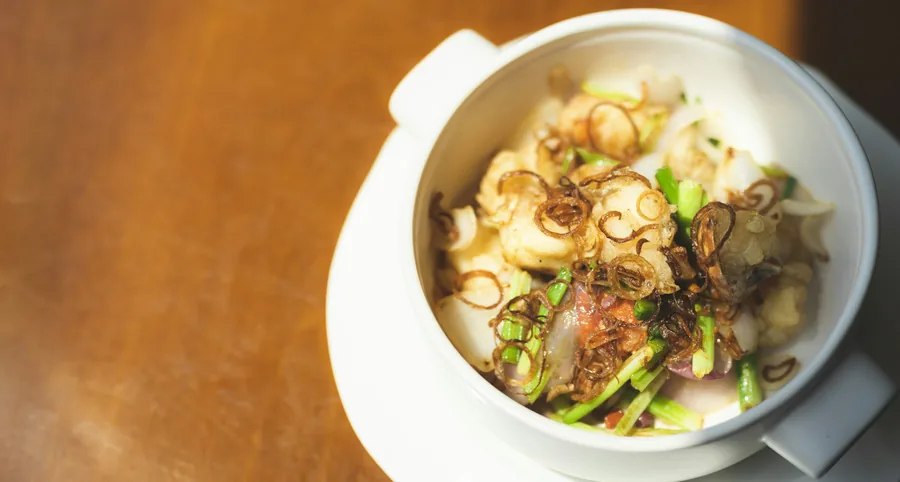
Savoury, garlicky and, on most American Chinese menus, spicy. This is the one that catches people out, because nothing in the name suggests heat. It is usually a brown-sauce base with a good deal of garlic and chilli worked through it.
On the Panda Li’s Kitchen menu, every garlic sauce dish is marked spicy — beef, chicken, shrimp, shredded pork and broccoli with garlic sauce all carry the marking. If you are ordering for someone who avoids heat, this is the sauce to know about.
Black bean sauce
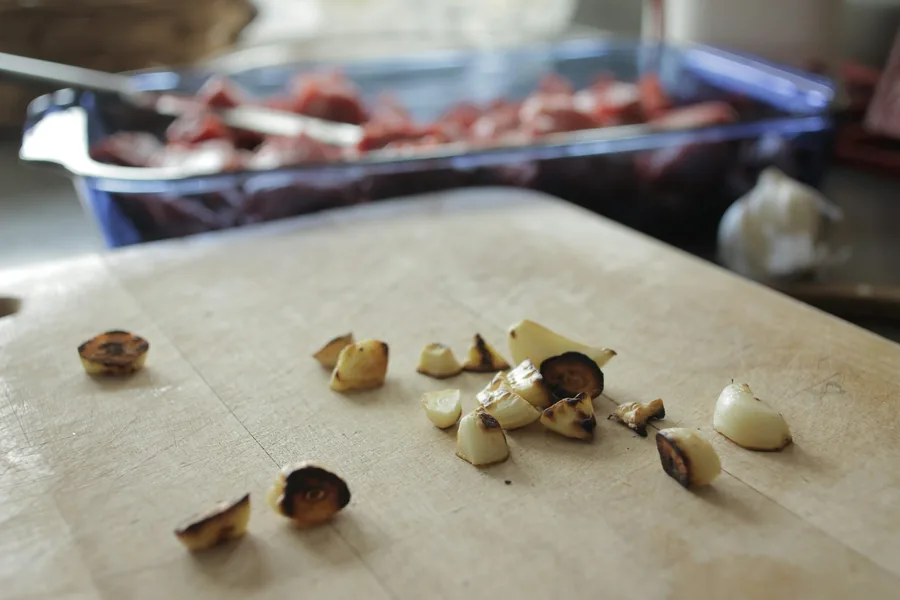
The most distinctive of the four and the least like anything in Western cooking. It is built on fermented black soybeans, which are salty, pungent and deeply savoury — nothing like the black beans used in Latin American cooking.
If you find most Chinese-American sauces too sweet, this is the one to try. It is savoury from start to finish, and it works particularly well with shrimp and with beef.
The four at a glance
| Sauce | Character | Typically used with | Heat on this menu |
|---|---|---|---|
| Brown sauce | Dark, savoury, glossy | Most standard stir fries | Not marked |
| White sauce | Pale, light, delicate | Seafood and lighter vegetables | Not marked |
| Garlic sauce | Savoury and garlicky, with chilli | Beef, chicken, shrimp, pork, broccoli | Marked spicy |
| Black bean sauce | Salty, pungent, deeply savoury | Shrimp and beef | Not marked |
The other sauces worth knowing
- Sweet and sour — sugar balanced against acid, usually served separately so the batter stays crisp.
- Curry sauce — aromatic curry spicing rather than a soy base. Marked spicy here.
- Oyster-based sauces — a savoury, slightly sweet depth used in many brown sauces.
- Hoisin — thick, sweet and dark, associated with moo shu and roast meats.
- Szechuan and Hunan styles — less a sauce than a style, both indicating chilli.
The guide to what those menu words mean covers the heat signals in detail, and sweet and sour has its own guide.
Why they are all glossy
One thing every sauce on the menu has in common: a starch thickener, usually cornstarch mixed with cold water and stirred in at the very end of cooking. It thickens the sauce in moments so it clings to the food rather than pooling at the bottom of the container.
That is also why sauces behave the way they do in leftovers, setting firm in the fridge and loosening again with heat. The guide to reheating covers what that means in practice.
Choosing by sauce rather than by protein
This is the practical upshot. If you already know you like a sauce, the fastest way to find new dishes is to follow it across the menu rather than staying in one protein section.
- Like beef with broccoli? You like brown sauce. Try chicken with snow peas or roast pork with Chinese vegetables.
- Like shrimp with lobster sauce? You like the pale, lighter style. Look for other seafood preparations.
- Like garlic sauce? It appears in the beef, chicken, pork, seafood and vegetable sections. Same sauce, different protein.
- Want something savoury rather than sweet? Black bean sauce is the clearest step away from the sweeter end of the menu.
Where to find them on the menu
Sauces cut across sections rather than sitting in one. Garlic sauce and black bean sauce appear in the beef, chicken, pork, seafood and vegetable sections, and the pale sauces are concentrated in seafood.
If the vocabulary is what is slowing you down more generally, the menu glossary covers the rest of the terms.
A note on soy sauce
Almost everything above depends on soy sauce in one way or another — it is the backbone of the savoury flavour in brown sauces and the thing whose absence defines a white one. It is also worth knowing that most soy sauce is brewed with wheat, which matters if you are avoiding it. The Britannica entry on soy sauce covers how it is made.
Frequently asked questions
What is brown sauce in Chinese food?
A general term for the dark, savoury sauce used across most stir fried dishes. It is typically built on soy sauce and stock, lightly thickened, and it is what gives dishes like beef with broccoli their colour and glossy finish.
What is white sauce in Chinese food?
A pale, savoury sauce made without soy sauce, so it stays light in colour. It is used where a dark sauce would overwhelm the ingredients — commonly with seafood and delicate vegetables. Shrimp with lobster sauce is the version most people meet first.
Does garlic sauce contain chilli?
On most American Chinese menus, yes. Garlic sauce is savoury and garlicky but usually carries chilli as well. Every garlic sauce dish on the Panda Li’s Kitchen menu is marked spicy.
Why are Chinese sauces glossy?
A starch thickener, usually cornstarch mixed with water and added at the end of cooking. It thickens the sauce so it clings to the food rather than pooling, and gives it the characteristic sheen.
The bottom line
Brown for savoury and standard, white for light and delicate, garlic for savoury with heat, black bean for salty depth. Follow the sauce rather than the protein and the menu opens up considerably.
The same sauces run across every protein section of the menu.
Browse the full menu