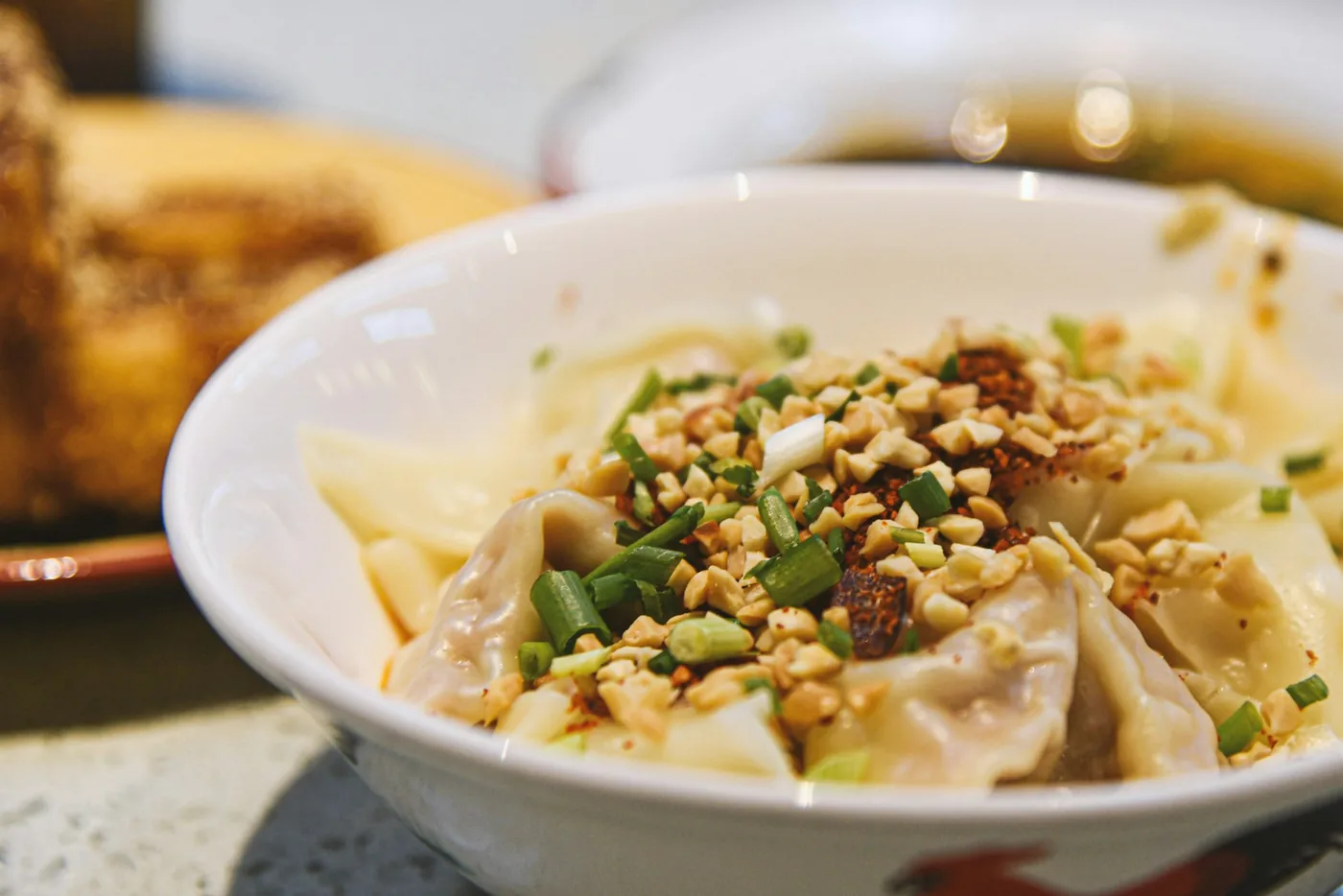
Wontons and dumplings sit within a few lines of each other on almost every Chinese menu, often in three or four different forms between them. They are closely related, which is exactly why the distinction is worth knowing before you order.
The short answer
A wonton is a type of dumpling with a much thinner, usually square wrapper. Dumplings have thicker, usually round wrappers and are more substantial. Wontons are most often served in soup or deep fried; dumplings are steamed or pan fried and eaten on their own with a dipping sauce.
It comes down to the wrapper
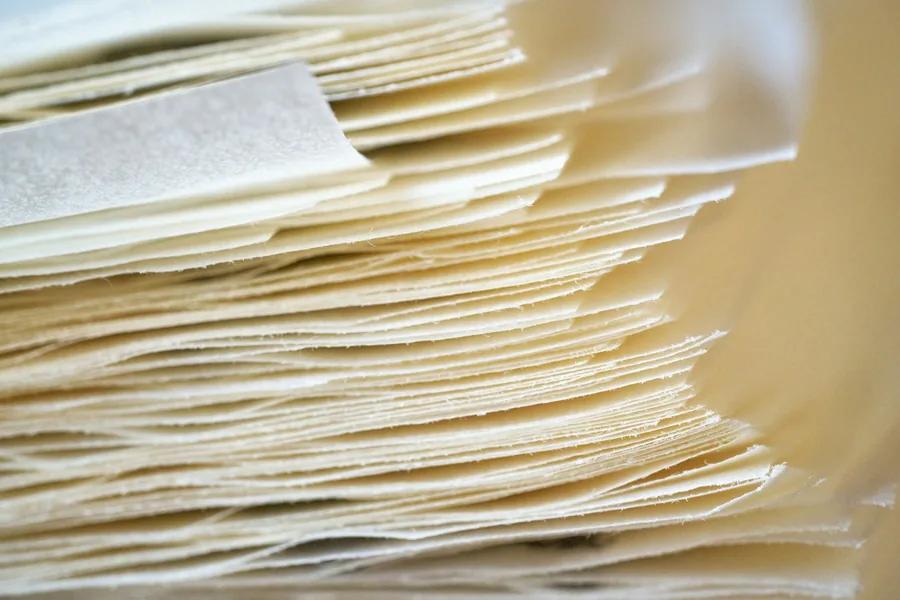
This is the whole distinction. A wonton wrapper is thin enough to be slightly translucent when cooked, and it is cut square, which is why wontons are folded into loose, ruffled shapes with plenty of skirt around the filling.
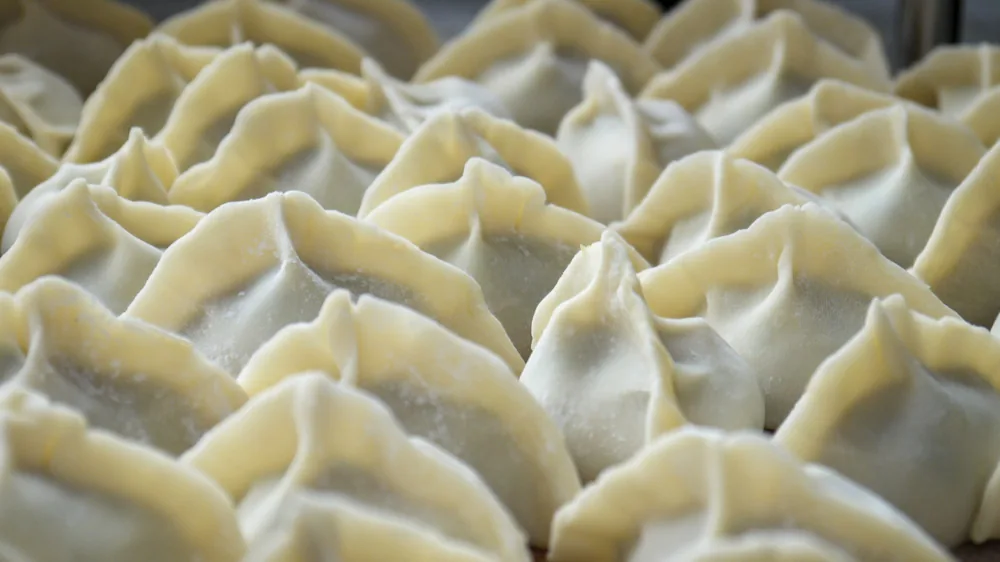
A dumpling wrapper is thicker and cut round, so it is folded into a half-moon and pleated along one edge. That extra thickness holds up to steaming and pan frying in a way a wonton wrapper would not.
How each one is usually served
The wrapper decides the cooking method, and the cooking method decides where each one turns up on a menu.
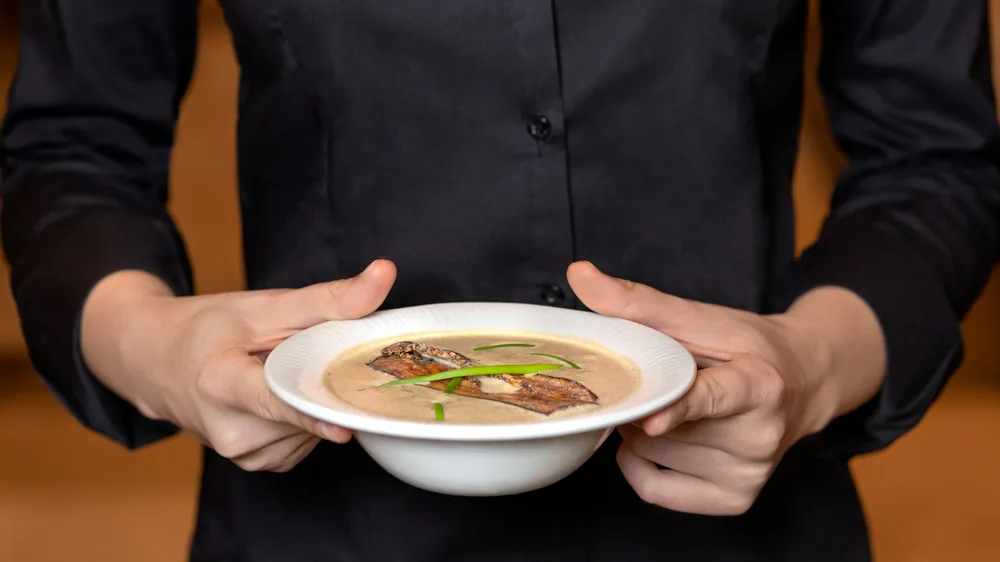
- Wontons in soup. The thin wrapper suits broth, where it turns silky rather than soggy. This is where most wontons on an American Chinese menu appear.
- Fried wontons. The same wrapper deep fried until it blisters and crisps, served as an appetizer with a dipping sauce.
- Steamed dumplings. Soft, lightly chewy, and the cleanest tasting of the group.
- Fried dumplings. Crisped on the base and steamed through, which gives two textures in one parcel.
Side by side
| Wonton | Dumpling | |
|---|---|---|
| Wrapper | Thin, usually square | Thicker, usually round |
| Shape | Loosely gathered, ruffled | Half-moon, pleated along one edge |
| Usual cooking | Boiled in soup, or deep fried | Steamed or pan fried |
| Where you find it | Soup section and appetizers | Appetizers |
| Texture | Silky in soup, brittle when fried | Chewier and more substantial |
| Eaten with | Broth, or a dipping sauce if fried | A dipping sauce |
| Relationship | A type of dumpling | The broader category |
Which should you order?
- You want a starter that shares easily. Dumplings. They portion cleanly and hold their shape on a plate.
- You want soup to be a real course. Wonton soup, which is far more filling than the other soups on a menu.
- You want something crisp. Fried wonton is the lightest, crunchiest thing in most appetizer sections.
- The food has to travel. Steamed dumplings hold up best; fried wontons lose their texture fastest.
Fried or steamed dumplings?
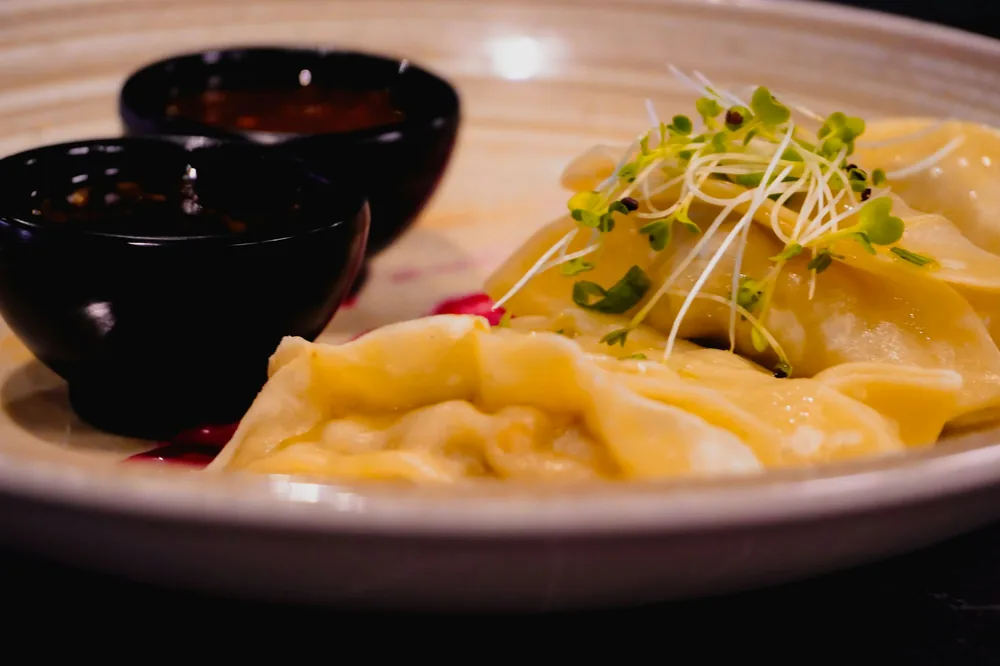
This is the more common decision, because most menus offer both with the same filling. Fried dumplings are crisped on one side and steamed through on the other, which gives contrast within a single piece. Steamed dumplings are softer, lighter and let the filling come through more clearly.
The practical consideration is time. A fried dumpling is at its best within a few minutes of leaving the kitchen; twenty minutes in a closed container and the crisp base has softened. If you are collecting food to eat later, steamed is the better bet.
What goes inside
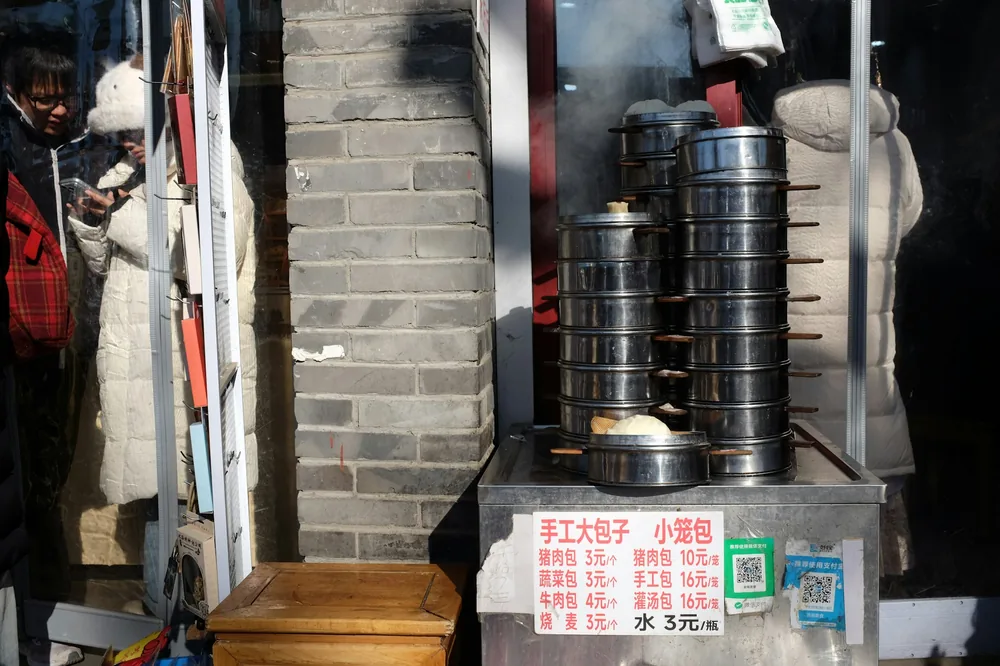
Fillings overlap more than the wrappers do. Both are commonly made with seasoned pork, sometimes with shrimp, sometimes with vegetables, and the seasoning is usually restrained so the wrapper and the dipping sauce have something to work against.
The practical difference is quantity. A dumpling holds noticeably more filling than a wonton, which is part of why an order of eight dumplings eats as a proper starter while wontons are lighter.
One thing not to infer from the name: neither tells you reliably what is inside. Fillings vary between restaurants, and if anyone at the table avoids pork or shellfish it is worth asking rather than guessing.
How many to order
| People | Dumplings | Wontons | Notes |
|---|---|---|---|
| 1–2 | One order | Or one soup each | An order of eight divides neatly between two |
| 3–4 | One order | One large soup shared | Add a second starter if skipping soup |
| 5–6 | Two orders | Two large soups | Mix fried and steamed so there is contrast |
What is on this menu
At Panda Li’s Kitchen the appetizer section lists fried dumplings and steam dumplings, both in orders of eight, and fried wonton in an order of ten. Wontons also appear in the soup section as wonton soup and as wonton egg drop soup, which combines the two ideas.
That gives you four different ways to order essentially the same idea, which is more choice than most people realise they have. The guide to appetizers for a table covers how they fit alongside everything else.
A note on dipping sauces
Dumplings are usually served with something to dip them in, and it is worth using it. Soy-based sauces, vinegar and chilli oil all cut through a rich filling in different ways. If a dipping sauce arrives alongside, it is part of the dish rather than an optional extra.
Where they come from
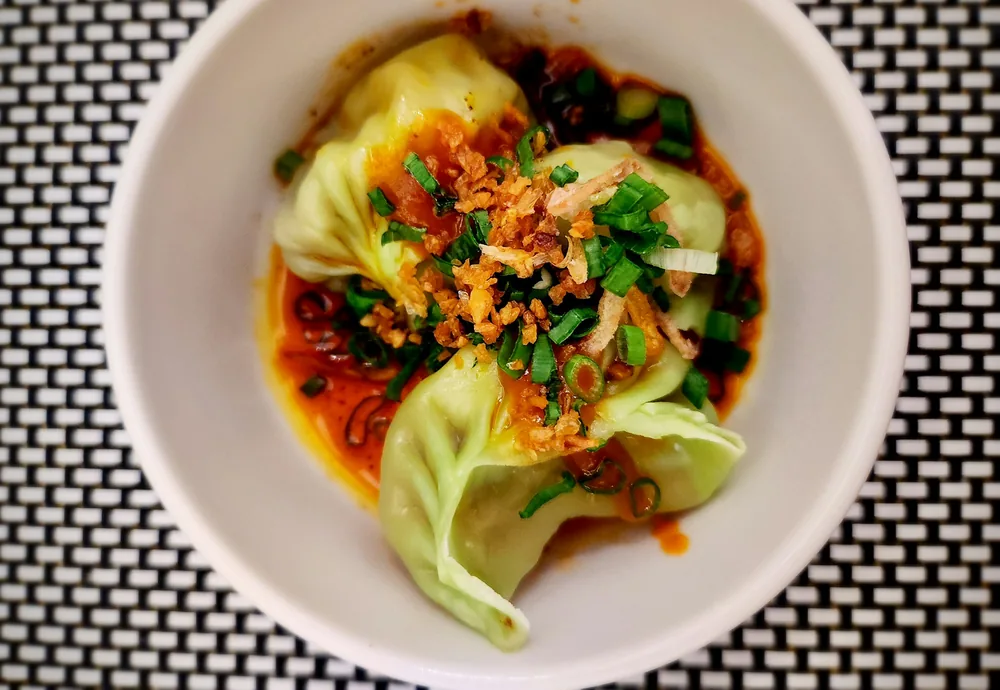
Dumplings are among the oldest and most widespread foods in Chinese cooking, with regional forms that differ enormously in wrapper, filling and technique. The versions on an American takeout menu represent a narrow slice of a very large tradition. The background on jiaozi, the classic northern Chinese dumpling, gives a sense of how much variation exists.
Frequently asked questions
Is a wonton a dumpling?
Yes. Wonton is a specific type of dumpling, distinguished by a much thinner square wrapper. All wontons are dumplings, but most dumplings are not wontons.
Should I order fried or steamed dumplings?
Fried if you want texture and are eating soon; steamed if you want something lighter or the food has to travel. Fried dumplings lose their crisp base on a long journey home.
What is the difference between wonton soup and fried wonton?
The same parcel, cooked differently. Wonton soup uses them boiled in broth; fried wonton is the same wrapper deep fried until crisp and served as an appetizer.
How many dumplings come in an order?
It varies by restaurant. On the Panda Li’s Kitchen menu, fried dumplings and steamed dumplings are both listed in orders of eight, and fried wonton in an order of ten.
The bottom line
Thin square wrapper means wonton; thicker round wrapper means dumpling. Wontons for soup or for something crisp, dumplings for a substantial starter you can share. If the food has a journey ahead of it, order them steamed.
Dumplings, wontons and the rest of the starters are all in the appetizer section.
See the appetizer section