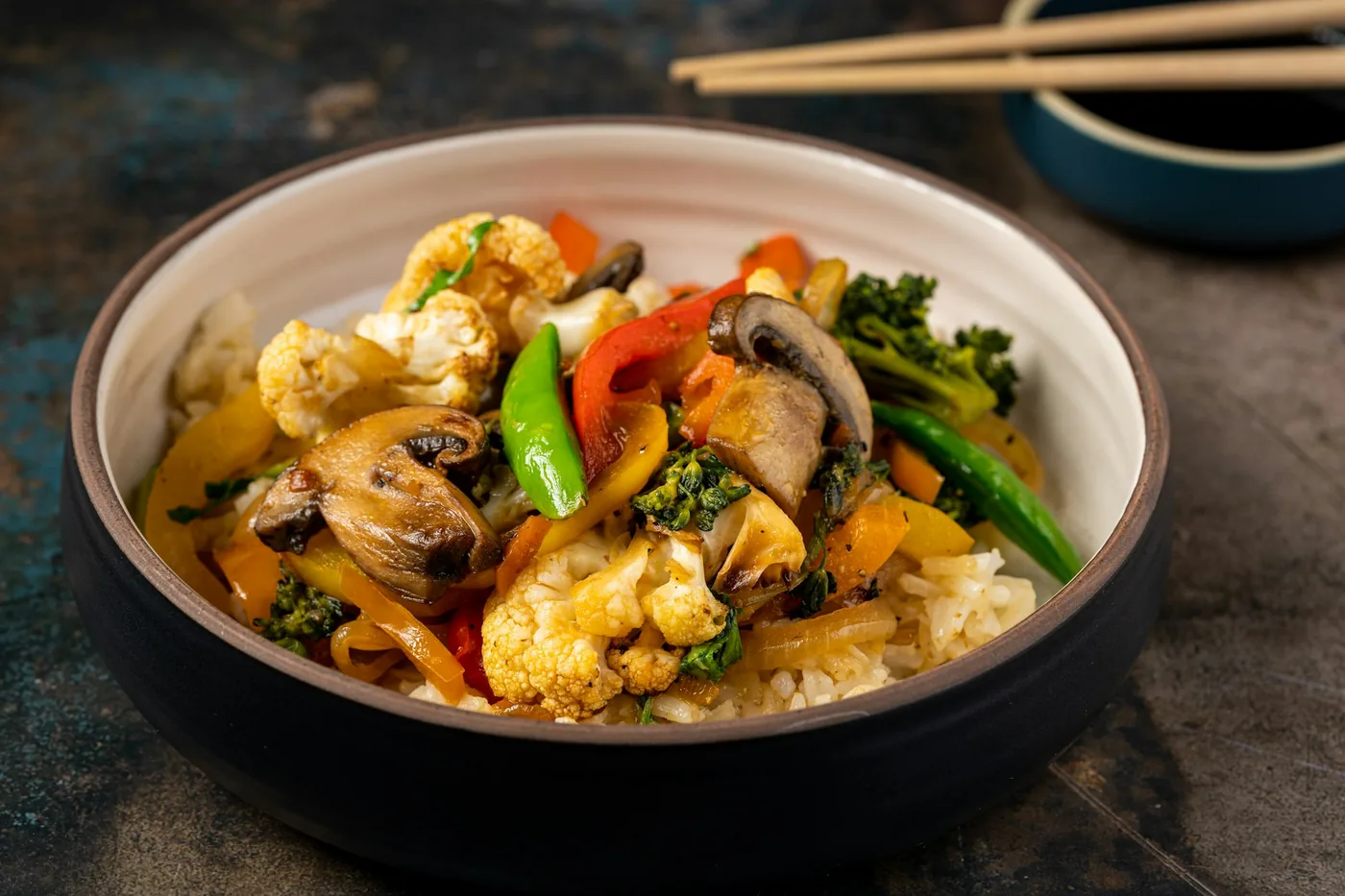
The vegetable section usually sits near the end of a Chinese menu, which gives the impression it is an afterthought. It is not. On most menus it contains some of the boldest dishes available, and the tofu dishes in particular carry the strongest sauces the kitchen makes.
The short answer
The section splits into two halves: vegetable stir fries, which are mild, and tofu dishes, which are usually the spiciest things on the menu. Tofu is mild on its own, so it gets paired with the most assertive sauces the kitchen has.
The vegetable dishes
Vegetable delight
A mixed vegetable stir fry in a light sauce — usually broccoli, carrot, mushroom, snow peas and whatever else the kitchen has. The most straightforward thing in the section and not marked spicy.
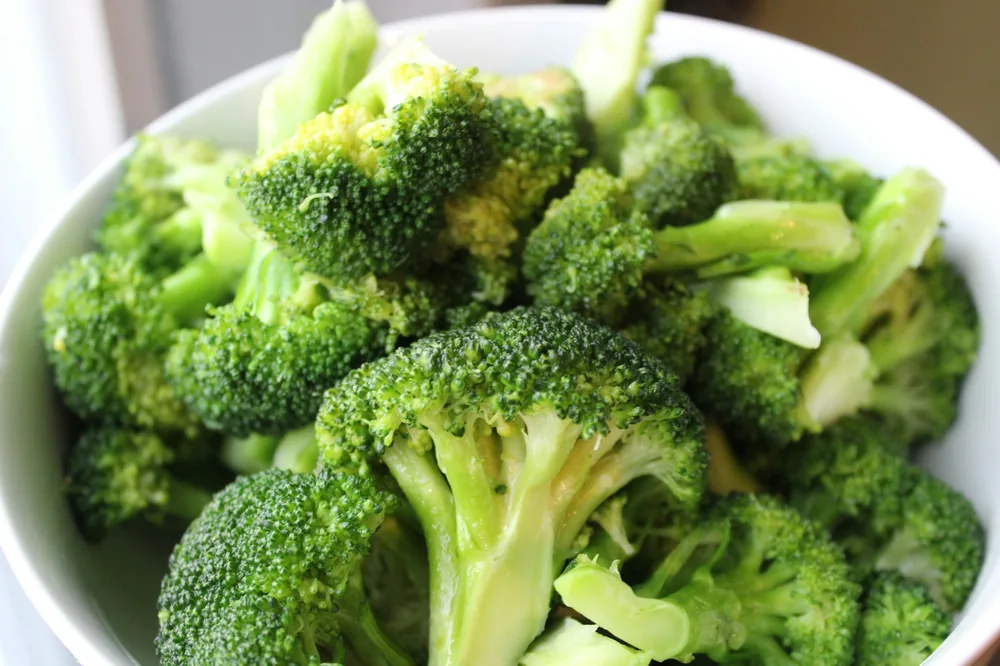
Sauteed broccoli
Exactly what it sounds like, and better than it sounds. Broccoli cooked hard and fast in a wok keeps its bite in a way steamed broccoli does not.
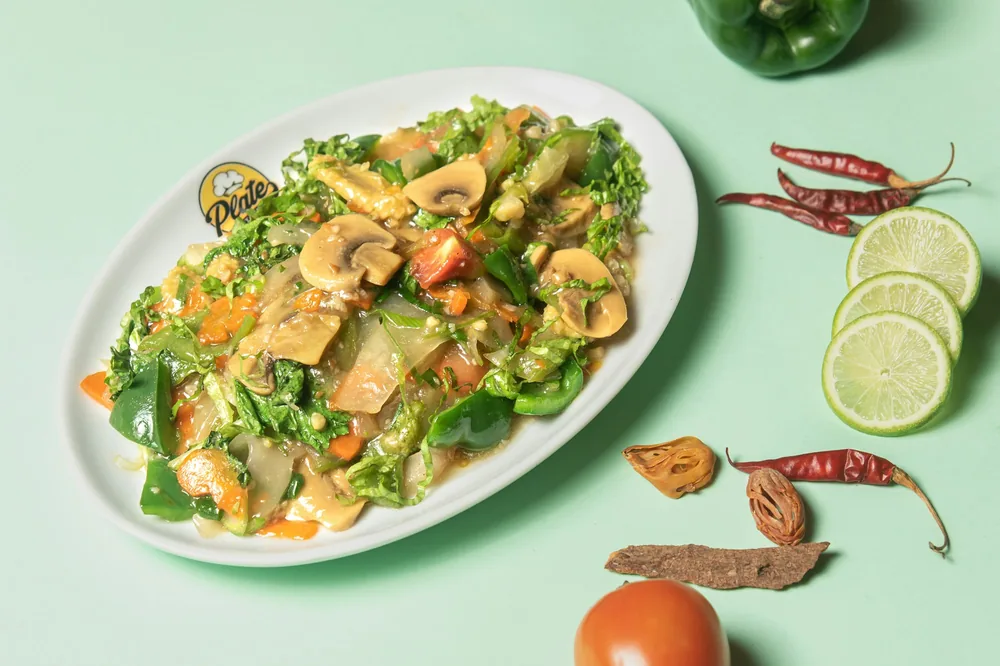
Buddha’s delight
A mixed vegetable dish traditionally associated with Buddhist cooking, combining several vegetables and often tofu. Preparations vary widely between restaurants, so it is worth asking what goes into it if you have a particular expectation.
Broccoli with garlic sauce
The same broccoli, in the savoury garlic sauce that appears across the menu. Worth flagging: garlic sauce is marked spicy here, as it is everywhere else on this menu.
The tofu dishes
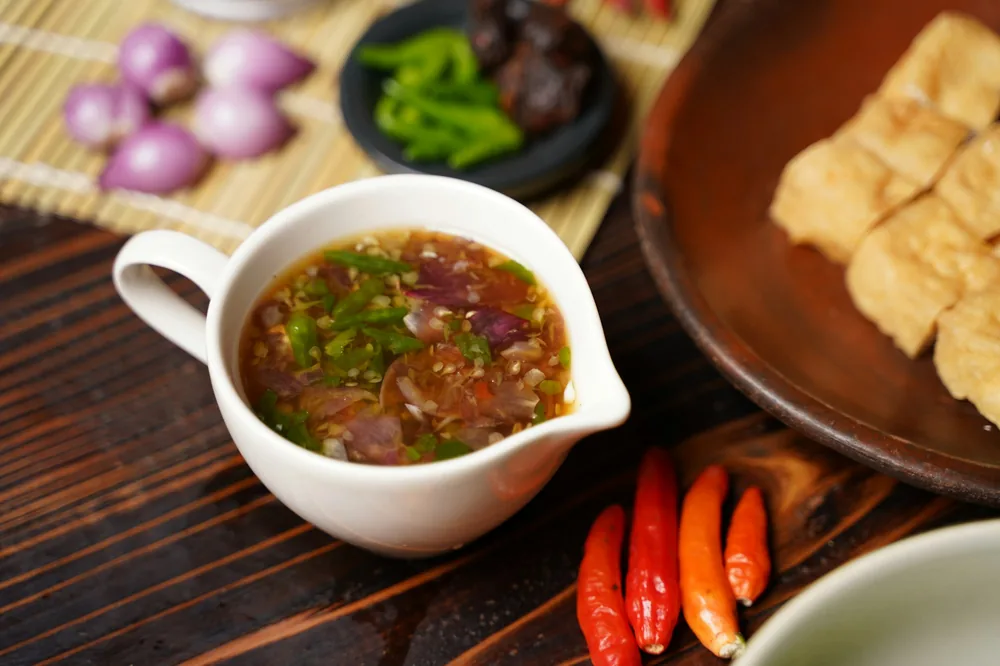
This is where the section gets interesting. Tofu is a blank canvas, so it is used with the most strongly flavoured sauces available — and on this menu, every tofu dish is marked spicy.
Ma Po tofu
A Sichuan classic and the most distinctive dish in the section: soft tofu in a chilli-and-bean sauce with a numbing, savoury depth. Note that in its traditional form it is made with minced pork, so ask if that matters to you.
General Tso’s tofu
The sauce from the well-known chicken dish, applied to fried tofu instead. Sweet, tangy and chilli-led, and a way to try that flavour without the chicken.
Orange tofu
The same idea with the citrus sauce: bright, sweet and marked spicy on this menu.
Curry tofu
Aromatic curry spicing rather than a soy-based sauce, which makes it the outlier in flavour terms.
The section at a glance
| Dish | What defines it | Heat on this menu |
|---|---|---|
| Vegetable delight | Mixed vegetables, light sauce | Not marked |
| Sauteed broccoli | Broccoli, simply cooked | Not marked |
| Buddha’s delight | Mixed vegetables, often with tofu | Not marked |
| Broccoli with garlic sauce | Garlic sauce with chilli | Marked spicy |
| General Tso’s tofu | Fried tofu, sweet-hot sauce | Marked spicy |
| Orange tofu | Fried tofu, citrus sauce | Marked spicy |
| Curry tofu | Curry spicing | Marked spicy |
| Ma Po tofu | Soft tofu, chilli and bean sauce | Marked spicy |
Vegetables elsewhere on the menu
Restricting yourself to this one section misses most of the vegetable options. Vegetable versions appear throughout the menu:
- Fried rice — vegetable fried rice
- Lo mein and mei fun — vegetable versions of both
- Egg foo young — a vegetable version alongside the meat ones
- Appetizers — vegetable egg roll, edamame
- Soups — vegetable bean curd soup
So a meal built without meat is straightforward to assemble; it just requires reading across sections rather than down one.
How tofu is used
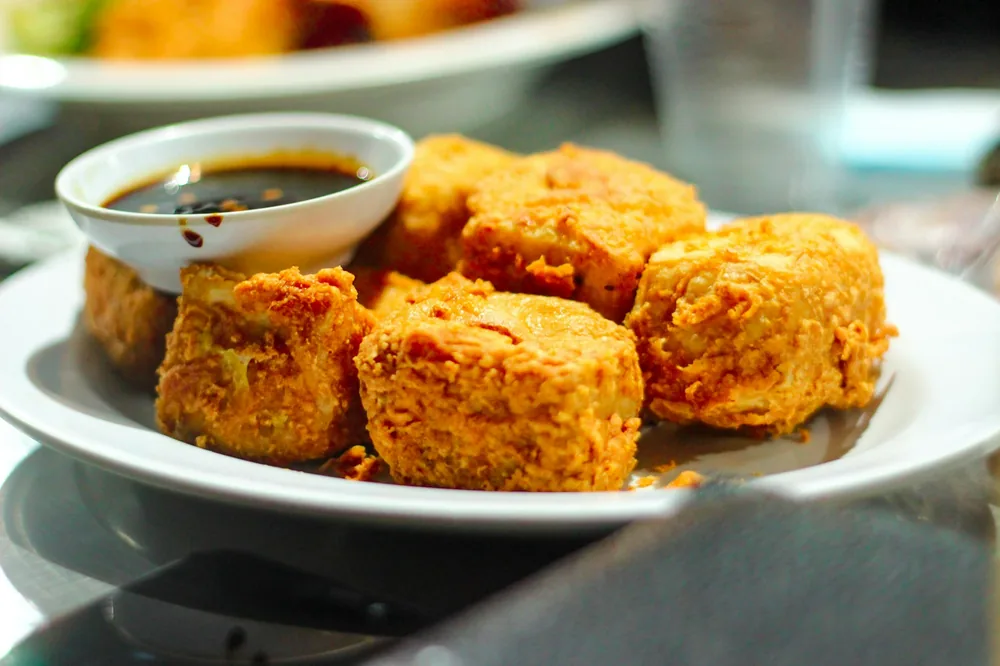
Two forms turn up. Soft or silken tofu, which is used in Ma Po tofu and in soups, breaks easily and carries sauce through its whole structure. Firmer tofu is cubed and fried before saucing, which gives it a crisp edge and lets it hold its shape — that is the version in General Tso’s tofu and orange tofu.
If you have tried tofu once and found it unremarkable, it is worth knowing which form you had. The fried version eats very differently from the soft one.
Why tofu ends up in the spiciest dishes
It looks like a coincidence that every tofu dish on this menu is marked spicy. It is not. Tofu is mild by design, so kitchens pair it with sauces that bring their own character — and the sauces with the most character tend to be the chilli-based ones.
The same logic works in reverse. If you want a mild dish, the vegetable stir fries are the place to look, because the vegetables themselves carry enough flavour that the sauce does not need to shout.
Ordering well from this section
- Balancing a heavy table? Vegetable delight or sauteed broccoli cuts through several rich dishes.
- Want the boldest thing on the menu? Ma Po tofu.
- Curious about tofu? Start with a fried version rather than a soft one.
- Avoiding heat? Stay with the three unmarked dishes, or order a vegetable version from the rice and noodle sections instead.
Where to find it
The vegetable section at Panda Li’s Kitchen lists eight dishes in small and large sizes, served with white rice by default. Vegetable versions of the rice and noodle dishes sit in the fried rice, lo mein and mei fun sections.
If you are ordering from this section because you do not eat meat, the sauces are the part a menu cannot answer for you — ordering vegetarian at a Chinese restaurant covers what to ask and why the dish name is not enough.
A note on tofu itself
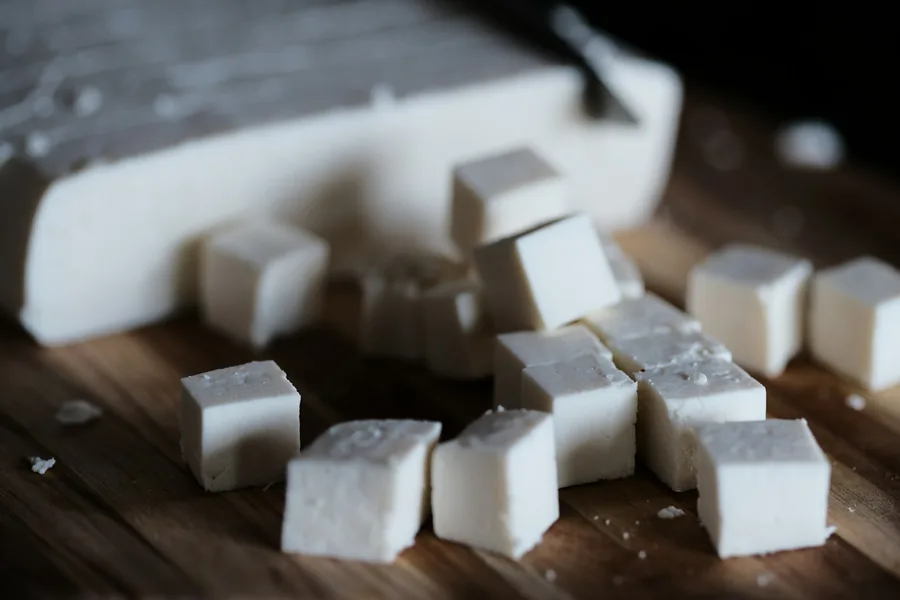
Tofu has been made in China for around two thousand years and is used across every regional cuisine, in forms ranging from silken to pressed and dried. The background on tofu covers how many varieties there actually are, which is far more than the two that reach most takeout menus.
Frequently asked questions
Are Chinese vegetable dishes vegetarian?
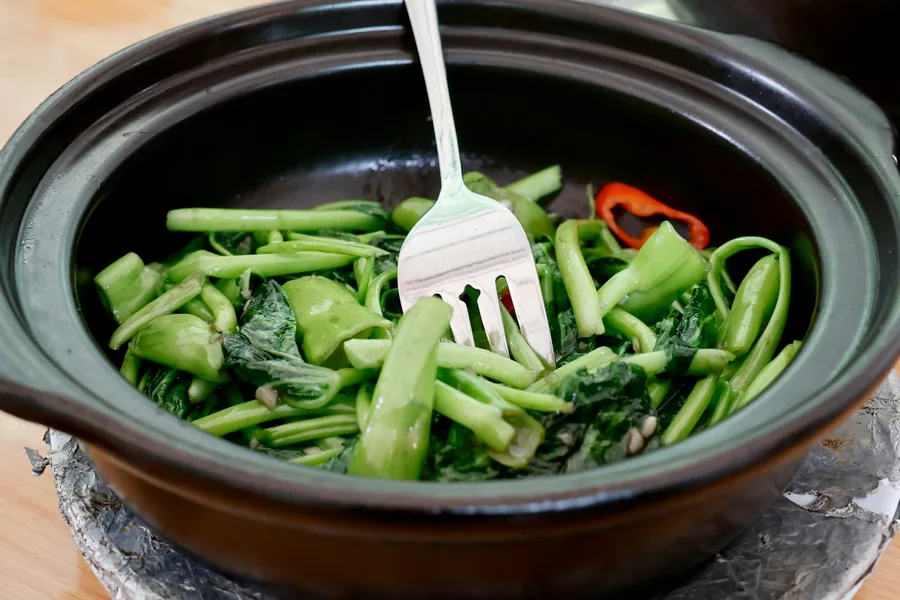
Not automatically. Many Chinese sauces and stocks are made with meat or seafood products, and dishes are cooked in shared woks. If you are vegetarian or vegan, ask the restaurant about the specific dish rather than assuming from the name.
What is Buddha’s delight?
A mixed vegetable dish, traditionally associated with Buddhist cooking, that combines several vegetables and often tofu in a light sauce. Preparations differ considerably between restaurants.
Is tofu bland?
On its own it is mild, which is the point — it takes on whatever sauce it is cooked in. That is why tofu appears in the strongest-flavoured dishes on the menu, including Ma Po tofu and General Tso’s tofu.
Which vegetable dishes are spicy?
On this menu, broccoli with garlic sauce, General Tso’s tofu, orange tofu, curry tofu and Ma Po tofu are all marked spicy. Vegetable delight, sauteed broccoli and Buddha’s delight are not.
The bottom line
Mild vegetable stir fries at one end, the spiciest dishes on the menu at the other, and tofu doing the heavy lifting in between. It is one of the more interesting sections, not a fallback — but check with the restaurant before assuming anything about how a dish is made.
Eight vegetable and tofu dishes, in small and large sizes.
See the vegetable section