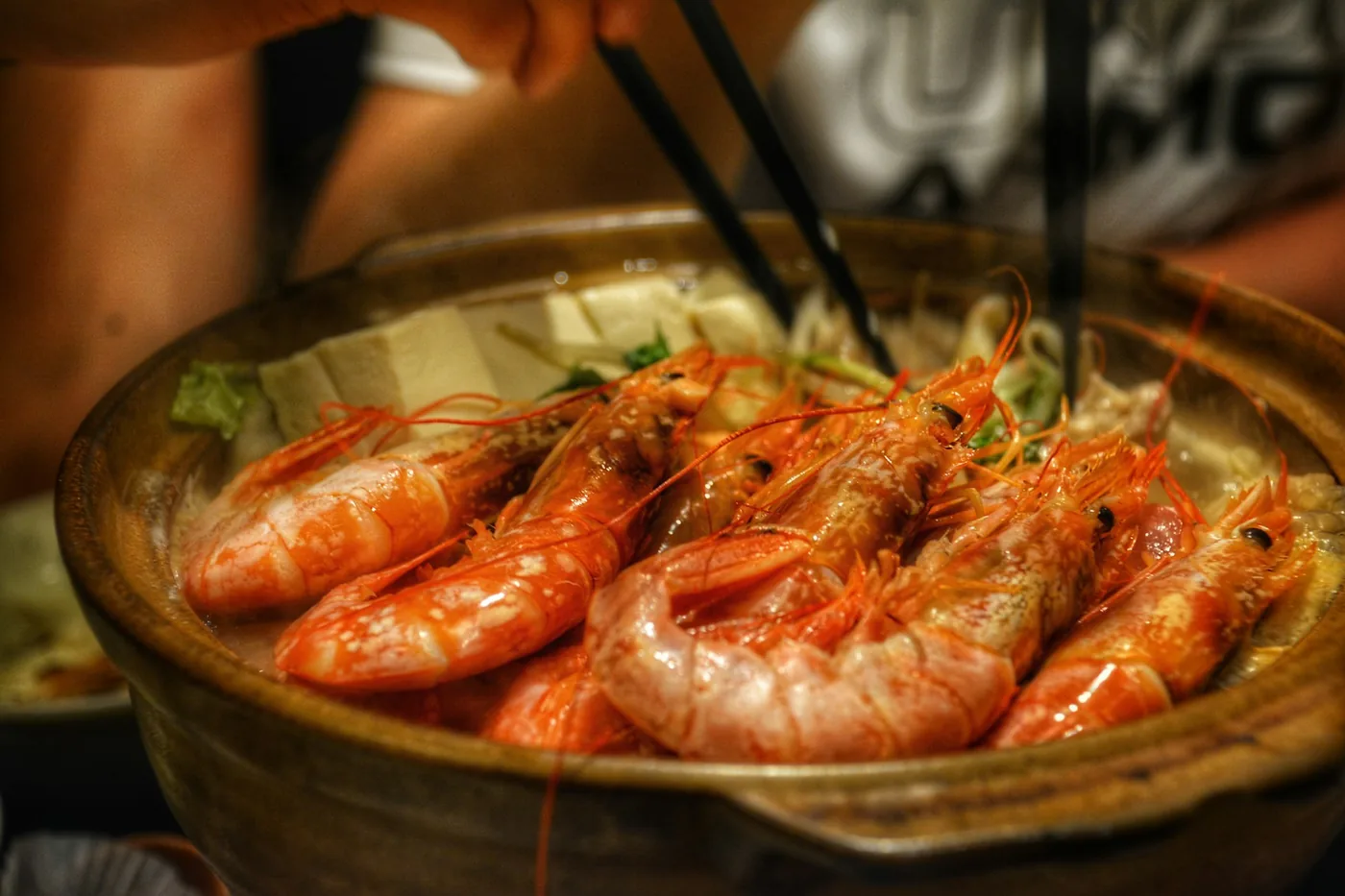
The seafood section of an American Chinese menu is almost entirely shrimp, and it is where the sauce names get least self-explanatory. Lobster sauce with no lobster, black bean sauce, garlic sauce that turns out to be spicy — it is the section people most often skip for lack of a translation.
The short answer
Chinese seafood dishes are built around shrimp cooked quickly in a wok, and the differences between them come down to the sauce. Learn five sauces and the whole section opens up.
The mild preparations
Shrimp with broccoli
The most straightforward dish in the section. Shrimp and broccoli in a light savoury brown sauce, and the closest seafood equivalent to beef with broccoli. Not marked spicy.
Shrimp with Chinese vegetables
Shrimp with a mix of vegetables in a light sauce. Lighter than the broccoli version and the most vegetable-heavy option in the section.
Shrimp with snow peas
Snow peas keep their snap under high heat, so this is the crispest of the mild preparations. A good choice when the rest of your order is soft or heavily sauced.
The sauce-led preparations
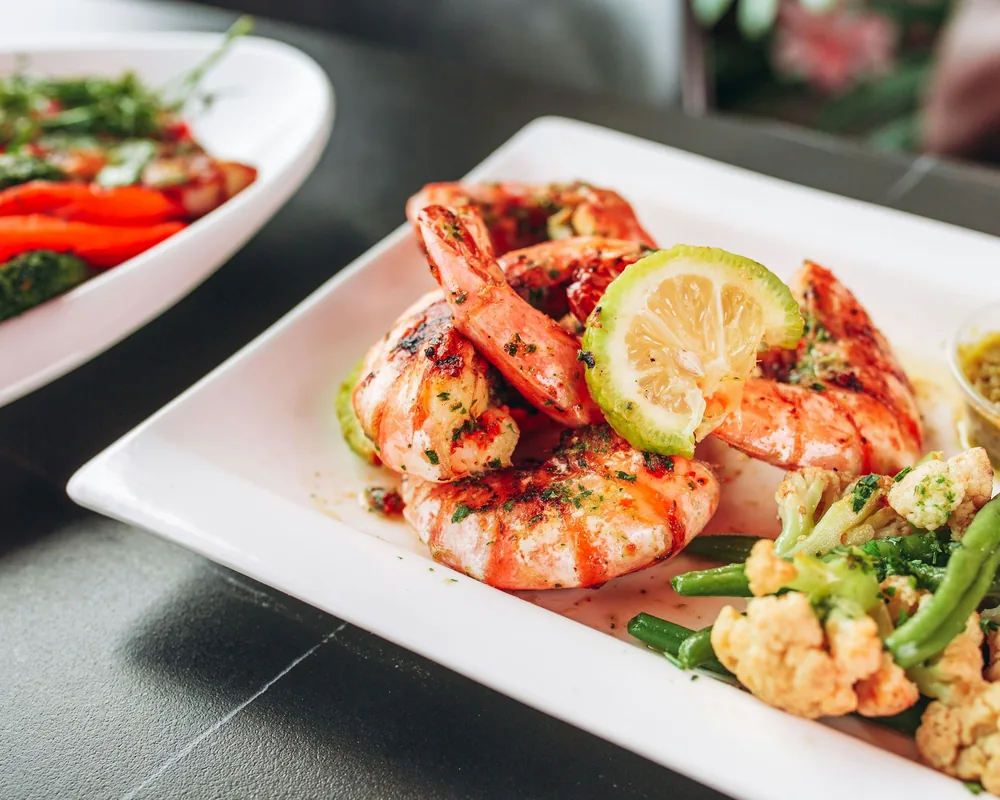
Shrimp with lobster sauce
The one that confuses everyone. It is a pale, savoury sauce, traditionally thickened and finished with egg, and it does not usually contain lobster. The name comes from a sauce that was originally served with lobster, and it stuck.
Shrimp with black bean sauce
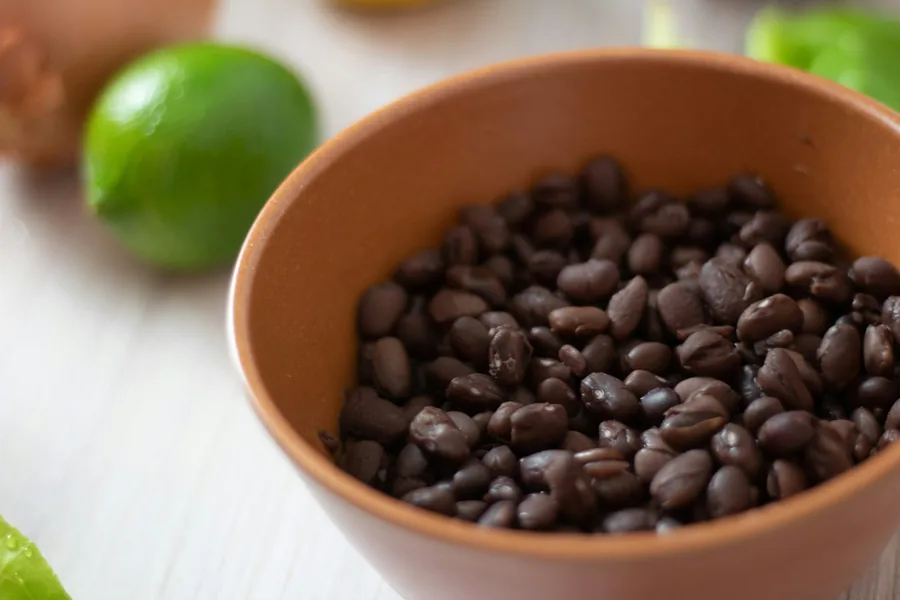
Built on fermented black beans, which give a deep, salty, slightly funky savouriness quite unlike anything else in the section. If you find most Chinese-American sauces too sweet, this is the one to try.
Shrimp with cashew nuts
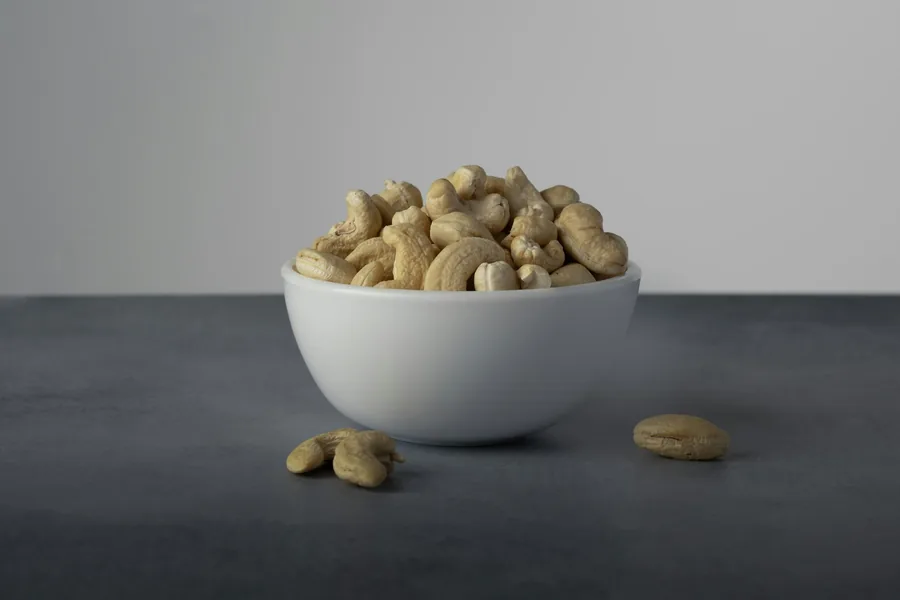
A milder stir fry where the cashews provide texture and a buttery note against the shrimp. Worth noting for anyone avoiding tree nuts.
The spicy preparations
The seafood section carries as much heat as the beef section. On this menu, five of the shrimp dishes are marked spicy: Szechuan shrimp, shrimp Hunan style, Kong Po shrimp, curry shrimp and shrimp with garlic sauce.
| Dish | What defines it | Heat on this menu |
|---|---|---|
| Shrimp with broccoli | Light brown sauce, broccoli | Not marked |
| Shrimp with Chinese vegetables | Mixed vegetables, light sauce | Not marked |
| Shrimp with snow peas | Crisp snow peas | Not marked |
| Shrimp with lobster sauce | Pale savoury sauce, usually egg-finished | Not marked |
| Shrimp with black bean sauce | Fermented black beans, salty and deep | Not marked |
| Shrimp with cashew nuts | Cashews for texture | Not marked |
| Szechuan shrimp | Chilli, Szechuan style | Marked spicy |
| Shrimp Hunan style | Direct chilli heat | Marked spicy |
| Kong Po shrimp | Chilli, traditionally with peanuts | Marked spicy |
| Curry shrimp | Curry-spiced sauce | Marked spicy |
| Shrimp with garlic sauce | Savoury garlic sauce with chilli | Marked spicy |
Allergies are worth a direct question
Two things in this section matter if you have allergies in the group. Kung Po and Kong Po dishes are traditionally made with peanuts, and cashew dishes obviously contain tree nuts. Shellfish is present throughout by definition.
Do not infer what is in a dish from its name. If anyone at the table has a food allergy, ask the restaurant directly about the specific dish. General guidance on the major allergens and how they are labelled is available from the US Food and Drug Administration.
Ordering seafood well
- Order it early in the meal. Shrimp firms up as it sits, so seafood is the dish to eat first if you are collecting a takeout order.
- Balance it. Seafood is light; pair it with something more substantial rather than another delicate dish.
- Watch the total. This is the most expensive section, so for a large group it works better as one dish among several than as the base of the order.
- Check the heat marking. Nearly half of this section is marked spicy.
Where to find it
The seafood section at Panda Li’s Kitchen lists more than twenty shrimp dishes, in small and large sizes, all served with white rice by default. Seafood also appears in the house specials as Seafood Delight and Walnuts Shrimp, and in the lo mein section as Seafood Lo Mein.
Seafood outside the seafood section
Restricting yourself to the seafood section means missing several of the best shrimp dishes on the menu, because they are filed elsewhere.
- House specials — Seafood Delight, Salt and Pepper Shrimp, Orange Shrimp and Walnuts Shrimp all sit here rather than in the seafood section.
- Lo mein and mei fun — shrimp and seafood versions appear in both noodle sections.
- Fried rice — shrimp fried rice is one of the most ordered items on any Chinese menu.
- Egg foo young — a shrimp version is listed alongside the chicken, pork and beef ones.
- Appetizers — shrimp egg roll and fantail shrimp are both in the starter section.
- Sweet and sour — a shrimp version sits with the chicken and pork.
So if someone at the table wants shrimp but not a full seafood entrée, there are lighter and cheaper routes to it than the seafood section.
Getting the best out of a seafood order
Shrimp is the least forgiving protein on a Chinese menu because it goes from tender to rubbery quickly, and it keeps cooking in a closed container on the way home.
- Eat it first. Of everything in a takeout order, seafood is the dish that benefits most from being opened straight away.
- Reheat gently or not at all. Shrimp toughens fast on a second heating.
- Prefer dishes with sauce for leftovers. Shrimp with lobster sauce holds up better overnight than a drier preparation.
- For dining in, order it as the last dish to arrive if the kitchen is happy to stagger.
Frequently asked questions
What is shrimp with lobster sauce?
It is shrimp in a savoury white or pale sauce, traditionally thickened and finished with egg. Despite the name it does not usually contain lobster — the name refers to a sauce originally served with lobster. If lobster content matters to you, ask the restaurant.
Which Chinese seafood dish is the mildest?
Shrimp with broccoli, shrimp with Chinese vegetables and shrimp with snow peas are the gentlest preparations. None of the three is marked spicy on this menu.
Why is seafood more expensive on a Chinese menu?
Shrimp and other seafood simply cost more per portion than chicken or pork, and they are quicker to overcook, which makes them less forgiving to prepare in volume.
Is there seafood beyond shrimp on most menus?
It varies. At Panda Li’s Kitchen the seafood section is built around shrimp, while Seafood Delight and Seafood Lo Mein appear elsewhere on the menu. Check the specific listing rather than assuming.
The bottom line
Nearly all of it is shrimp, and the sauce is the real choice. Broccoli, Chinese vegetables and snow peas for mild; black bean for savoury depth; Szechuan, Hunan, Kong Po, curry and garlic sauce when you want heat.
If you are still deciding between seafood and another protein, the guide to choosing between beef, chicken, pork and seafood compares the sections directly.
Seafood is also where the pale sauces cluster, because a dark, assertive sauce would overwhelm shrimp. The guide to Chinese sauces covers why a white sauce exists at all and how it differs from the brown sauce used almost everywhere else.
More than twenty shrimp preparations, in small and large sizes.
View the seafood section