Few food ingredients have a reputation as detached from the evidence as monosodium glutamate. It has been attached to Chinese restaurants specifically for over fifty years, and the association has shaped how a whole cuisine is talked about.
This is what MSG is, where the concern came from, and what food-safety authorities conclude.
The short answer
MSG is the sodium salt of glutamic acid, an amino acid that occurs naturally in tomatoes, aged cheese, mushrooms and seaweed. The US Food and Drug Administration classifies it as generally recognised as safe. Some people report short-term symptoms after large amounts, which the FDA acknowledges, but it is not considered a hazard at normal levels of consumption.
What it actually is
Glutamate is one of the most common amino acids in the food supply and a major contributor to savoury flavour — what is usually called umami. It is present in high concentrations in foods nobody worries about.
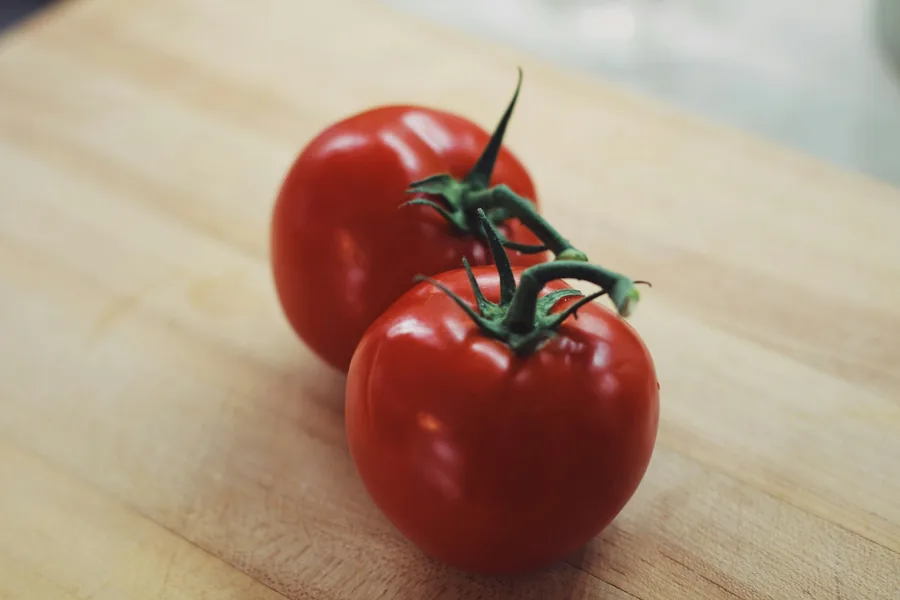
- Tomatoes, particularly ripe and cooked ones
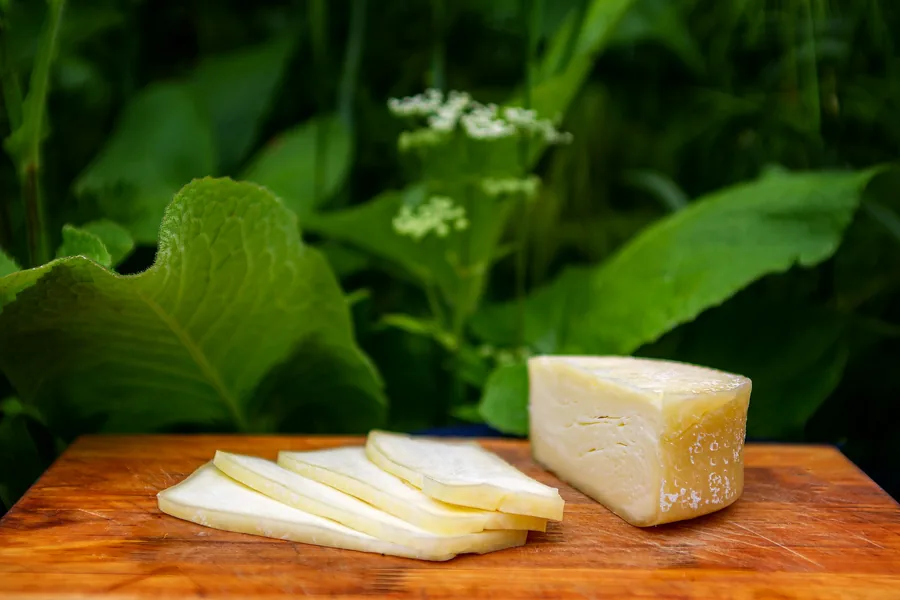
- Aged cheeses such as parmesan
- Mushrooms
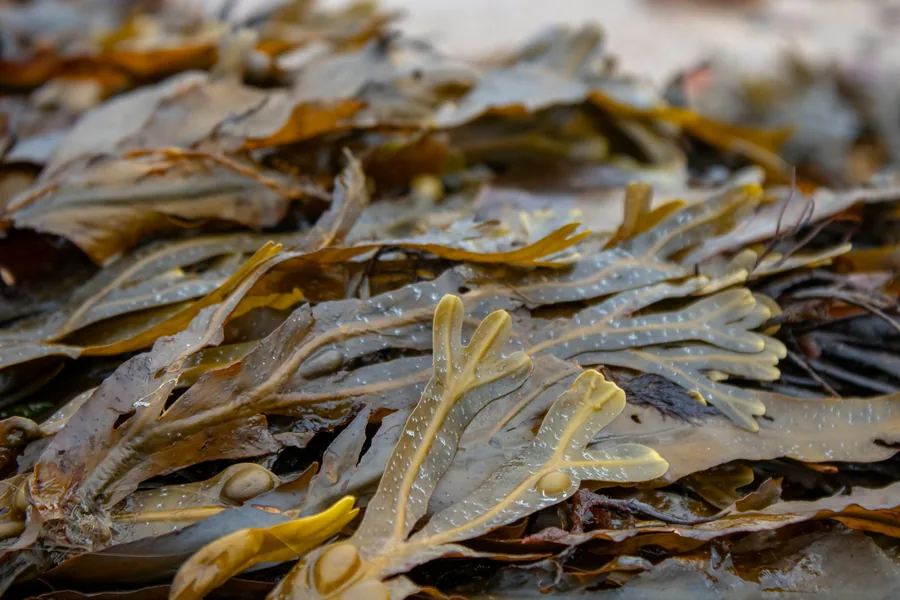
- Seaweed, especially kombu
- Cured meats and fermented sauces
MSG is that same compound in isolated form. Glutamate was first identified as the source of the savoury taste in kombu broth, and the seasoning was developed from that discovery.
Where the concern came from
The story has an unusually specific starting point. In 1968 a letter published in a medical journal described numbness and palpitations after eating at Chinese restaurants, and speculated about possible causes including MSG. The phrase “Chinese restaurant syndrome” followed from it.
What followed was decades of association between one seasoning and one cuisine, despite MSG being widely used in processed foods, snacks and fast food across the Western diet at the same time, without comparable alarm. The Science History Institute has documented how that scare took hold and why the science behind it did not hold up.

What the authorities say now
The US Food and Drug Administration classifies MSG as generally recognised as safe, the same category as salt and vinegar. Its guidance notes that some people identify themselves as sensitive and report short-term symptoms, and that studies have not established a consistent link at the levels people normally consume.
That is a more careful position than either side of the argument usually allows for. It is not “MSG is dangerous”, and it is not “nobody has ever reacted to anything”.
| Claim | What the evidence supports |
|---|---|
| MSG is a health hazard | Not supported at normal consumption levels |
| MSG is artificial and unnatural | It is a form of glutamate, which occurs widely in food |
| Only Chinese food contains MSG | It is used across processed and prepared foods generally |
| Some people report symptoms | Acknowledged by the FDA, generally short-term and self-limiting |
| MSG causes long-term harm | Not established by research |
What it does in cooking
Glutamate contributes savouriness rather than a flavour of its own. Used in small amounts it makes a dish taste more of itself — rounder and fuller — which is why it turns up in stocks, sauces, cured foods and fermented seasonings across almost every cuisine, whether or not it is added in isolated form.
That is also why the effect is hard to identify by taste. People who believe they can detect added MSG in a dish are generally detecting savouriness, which may equally come from soy sauce, stock, dried mushrooms or fermented beans.
Why this matters for how we talk about food
The MSG story is worth knowing because of what it reveals about how a food scare attaches itself to a cuisine rather than to an ingredient. The same compound in a bag of crisps or a jar of pasta sauce attracted little attention; in a Chinese restaurant it became a syndrome with a name.
That is not an argument that anyone should ignore how a meal makes them feel. It is an argument for directing the question at the food rather than at the cuisine.
If you would rather avoid it
That is a reasonable preference and easy to act on: ask. Kitchens differ in whether they use it, and many will say plainly or leave it out of a dish on request. It is the same conversation as asking for a dish to be made less spicy.
What is not reliable is trying to deduce it from a menu. Nothing about a dish name indicates whether MSG is used, and this site cannot tell you what any particular kitchen does — that is a question for the restaurant. If it matters to you, call (407) 380-8810 and ask.
Ordering around it
If you would rather not think about it at all, the parts of a Chinese menu least likely to involve added seasoning of any kind are the simplest ones: steamed dishes, plain rice, and stir fries with short ingredient lists. Heavily sauced dishes involve more components by definition.
That is a general observation about cooking rather than a claim about any restaurant, and it is not a substitute for asking. But it is a reasonable starting point if you would prefer to keep an order simple.
Where to read more
The FDA page linked above is the primary reference for the regulatory position. For the history of how the scare developed, the Science History Institute account is thorough and well documented. Both are more useful than the large volume of secondary writing on the subject.
Frequently asked questions
Is MSG bad for you?
The weight of scientific evidence says no for the general population. The US Food and Drug Administration classifies MSG as generally recognised as safe, while noting that some people report short-term symptoms after consuming large amounts. It is not considered a health hazard at normal levels of consumption.
What is MSG actually made of?
It is the sodium salt of glutamic acid, an amino acid that occurs naturally in many foods including tomatoes, aged cheese, mushrooms and seaweed. The body does not distinguish between glutamate from those foods and glutamate from added MSG.
Why is MSG associated with Chinese food specifically?
Because of a 1968 letter to a medical journal describing symptoms after eating at Chinese restaurants, which produced the term “Chinese restaurant syndrome”. MSG was already widely used in processed Western foods at the time without comparable concern.
Does Panda Li’s Kitchen use MSG?
That is a question for the restaurant rather than for an article. Call and ask — kitchens differ, and many will tell you or adjust a dish on request.
The bottom line
MSG is isolated glutamate, the same compound that makes tomatoes and parmesan taste savoury. Food-safety authorities classify it as safe while acknowledging that some people report short-term sensitivity. The association with Chinese food specifically says more about the history of the scare than about the ingredient.
Questions about how a particular dish is made are best put to the kitchen.
Contact the restaurant