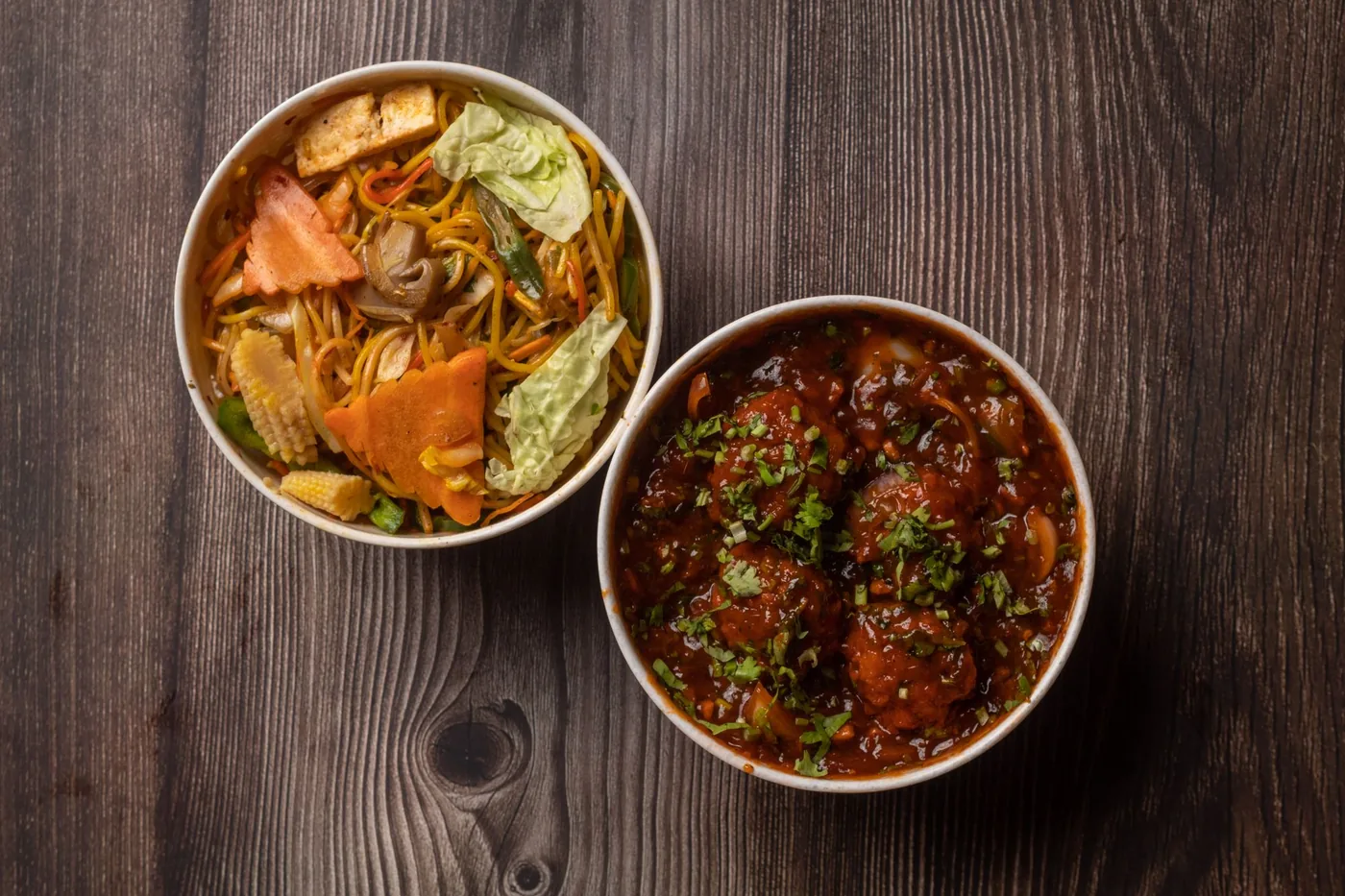
Lo mein and chow mein sit next to each other on almost every Chinese takeout menu, use the same basic noodle, and come with the same list of proteins. That is exactly why people hesitate over them. The difference is not the noodle — it is what the kitchen does with it.
The short answer
Lo mein noodles are boiled first and then tossed with sauce and toppings. Chow mein noodles are fried in the wok as part of the cooking. The result is that lo mein is soft and saucy, while chow mein is drier with more browning and, depending on the kitchen, some crisp edges. The names describe the technique: lo mein means tossed noodles, chow mein means fried noodles.
How lo mein is made
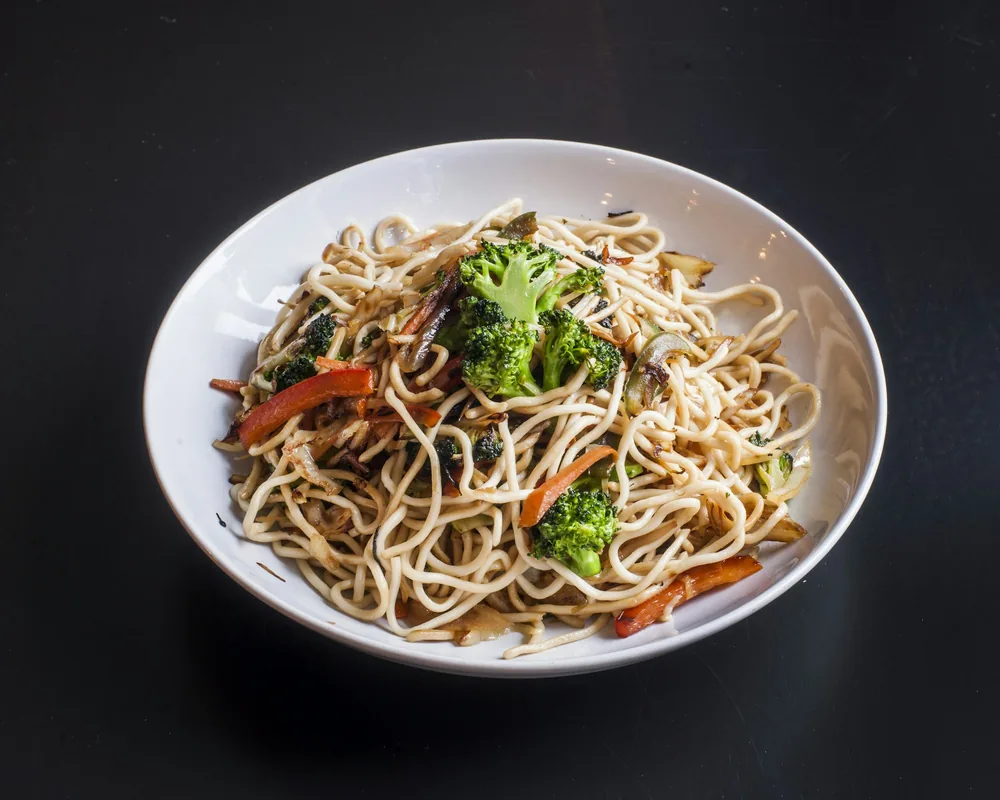
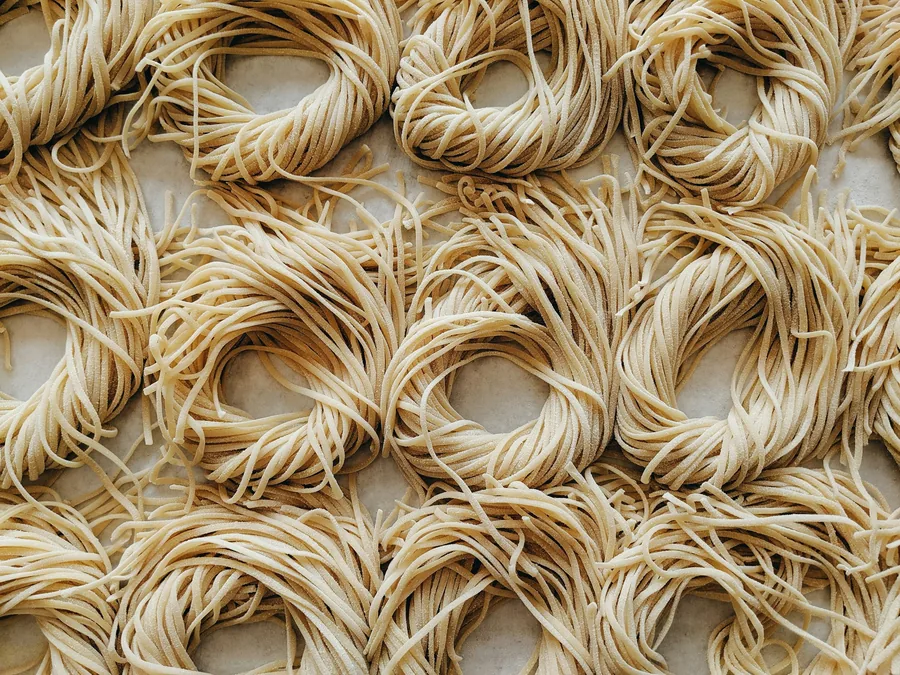
The noodles go into boiling water and are cooked through before anything else happens. Separately, the protein and vegetables are stir fried, the sauce goes in, and the cooked noodles are added at the end and tossed until everything is coated.
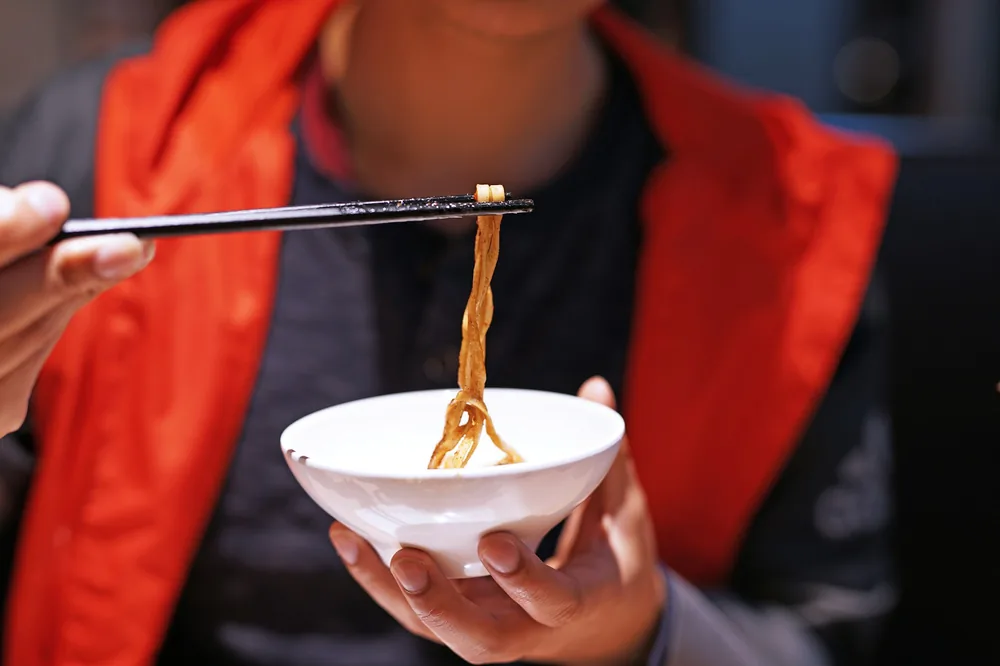
Because the noodles never really fry, they stay soft and slippery. They absorb sauce rather than resist it, which is why a lo mein order tends to look glossy and taste more seasoned throughout.
How chow mein is made
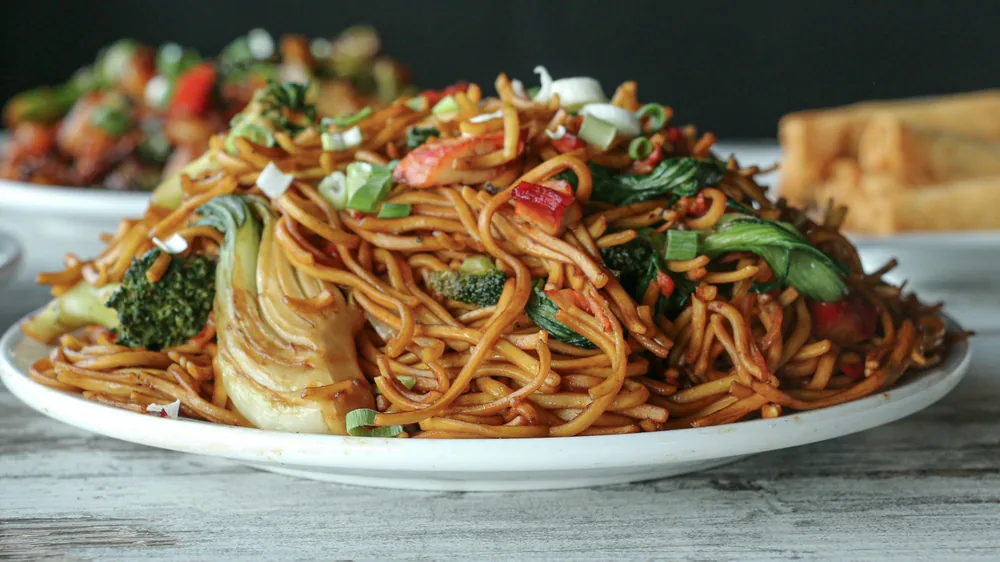
Chow mein noodles are par-cooked and then go into the hot wok with everything else. The high heat drives off moisture and browns the noodles. Some kitchens keep them soft with crisped edges; others fry them harder into a crunchier texture. Both are legitimate, and it varies by restaurant and by region.
That variation is worth knowing before you order. If the texture matters to you, it is a fair question to ask the restaurant how they prepare theirs.
Lo mein vs chow mein at a glance
| Lo Mein | Chow Mein | |
|---|---|---|
| Noodle handling | Boiled first, tossed in at the end | Fried in the wok with the other ingredients |
| Typical texture | Soft, slippery, yielding | Drier and more browned; sometimes crisp |
| Sauce | Generally saucier, coats every strand | Generally drier, seasoning clings to the noodle |
| Name meaning | Tossed noodles | Fried noodles |
| Served with rice? | No — the noodles are the dish | Often yes at American Chinese restaurants |
| Good for | Diners who want a soft, saucy noodle bowl | Diners who want more texture and a fuller plate |
| Travels well? | Holds up well; sauce keeps it from drying out | Crisp texture softens on the drive home |
What comes with each dish
One practical difference is easy to miss on the menu and changes how much food arrives. Lo mein is sold as a complete dish — the noodles are the meal, and nothing else comes with it. Chow mein on this menu is listed as served with white rice.
That means an order of chow mein turns up as two containers rather than one, and feeds more people than the noodle portion alone suggests. If you are ordering for one, lo mein is usually the right size; if you are ordering for two to share, chow mein plus its rice stretches further.
Which one should you order?
If you want noodles to be the whole point of the meal, order lo mein. It is the more forgiving of the two for delivery, it reheats reasonably, and the softer texture suits most people who are simply after a bowl of noodles.
Order chow mein if you want more contrast on the plate, or if you like the slightly toasted flavour that comes from frying noodles hard in a wok. One practical note: because chow mein on this menu comes with white rice, it eats like a fuller meal than the noodle portion alone would suggest.
How this plays out on a real menu
At Panda Li’s Kitchen in Orlando, both sections are built the same way, so the choice really does come down to noodle texture rather than what is in the dish. The lo mein section lists seven varieties — chicken, roast pork, beef, shrimp, vegetable, house special and seafood — and the menu describes them simply as soft noodles.
The chow mein section covers chicken, roast pork, beef, shrimp and house special, and is listed as being served with white rice. Most items in both sections come in a small and a large size, which matters more than people expect when you are ordering for more than one person.

A note on where these dishes come from
Both names come from Cantonese, and both dishes travelled with Chinese immigrants to the United States in the nineteenth century, where they were adapted to local ingredients and tastes. The versions on American takeout menus are their own tradition — recognisably Chinese in technique, and shaped by more than a century of cooking in American kitchens. The Encyclopaedia Britannica entry on noodles is a reasonable starting point if you want the longer history.
Frequently asked questions
Is lo mein or chow mein healthier?
That depends far more on the sauce, the protein and the portion than on the noodle itself. Both are wheat noodles, and both are usually cooked with oil in a wok. If you are watching a specific nutrient, ask the restaurant directly rather than assuming one is lighter than the other.
Which is saucier, lo mein or chow mein?
Lo mein is generally the saucier of the two. Because the noodles are tossed with the sauce at the end, they carry it through the whole dish. Chow mein tends to be drier, with the seasoning clinging to the noodles and vegetables rather than pooling.
Does chow mein come with rice?
At many American Chinese restaurants it does. On the Panda Li’s Kitchen menu, the chow mein section is listed as being served with white rice, which is why a chow mein order can feel like a fuller plate than the noodles alone suggest.
Can I get lo mein without meat?
Yes. Vegetable Lo Mein is one of the seven lo mein varieties on the menu, alongside chicken, roast pork, beef, shrimp, house special and seafood.
The bottom line
Soft and saucy, order lo mein. Drier, more textured, and with rice on the side, order chow mein. Neither is more authentic than the other, and both are worth having in the rotation.
If you are still torn, order one of each in small sizes and share — that is the fastest way to settle it for good. You may also want to compare fried rice against lo mein if you are weighing rice versus noodles more broadly.
See how the noodle sections compare on the current menu, with sizes and prices.
Browse noodle dishes