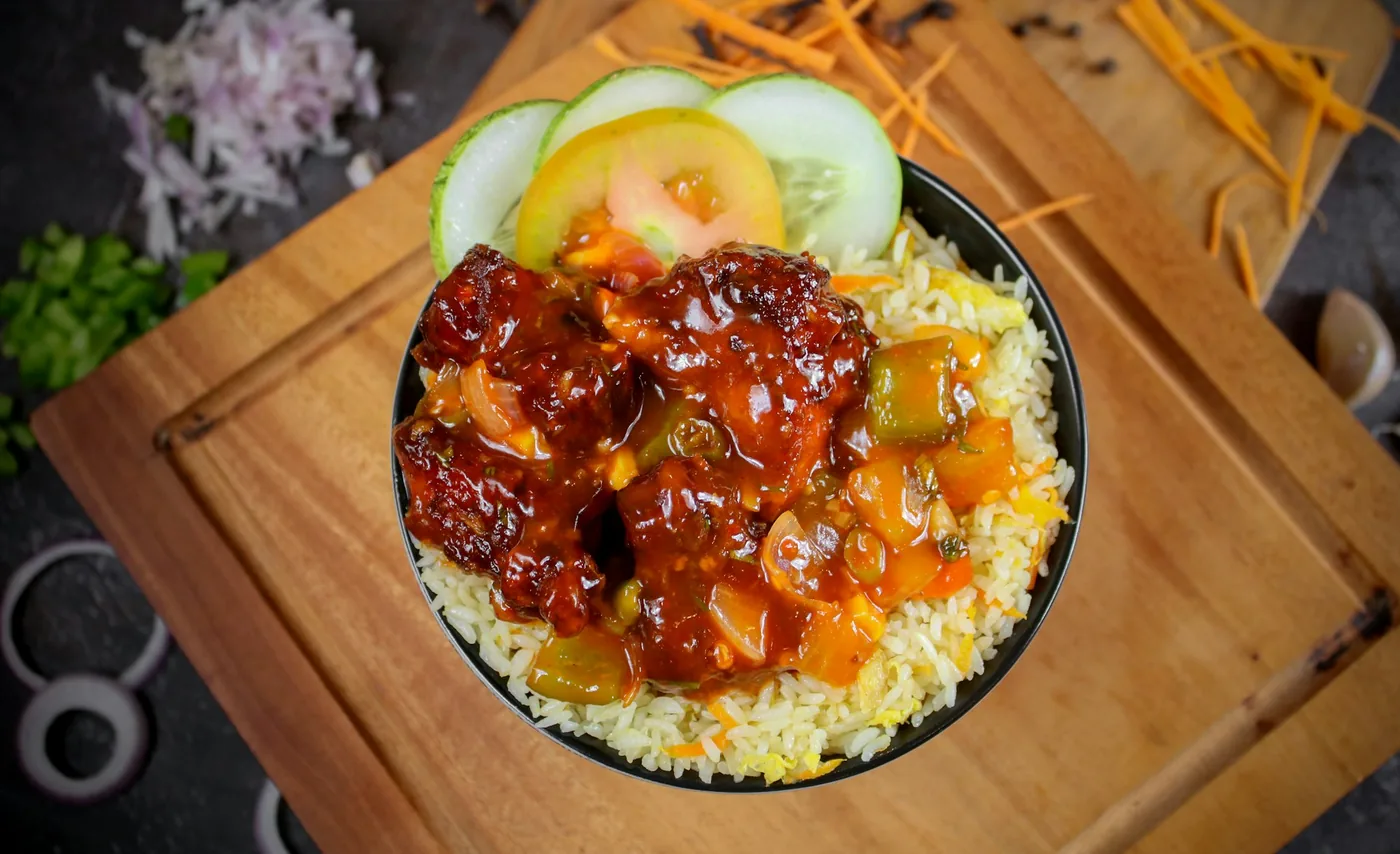
Chicken is the largest section of a typical Chinese menu and the one where most people order the same thing every time. That is understandable — a dozen dish names with very little description is not much to go on.
The short answer
The chicken section is one protein cooked a dozen different ways, and the sauce is the whole difference. Roughly half the dishes are mild and vegetable-led; the other half are built on chilli. Once you know which group a dish belongs to, choosing gets much faster.
The mild, vegetable-led dishes
Chicken with broccoli
Sliced chicken and broccoli in a light brown sauce. The most ordered dish in the section and a fair test of any kitchen, because there is nothing to hide behind.
Chicken with snow peas
Snow peas keep their snap through high heat, so this is the crispest of the mild options. A good contrast when the rest of your order is soft or heavily sauced.
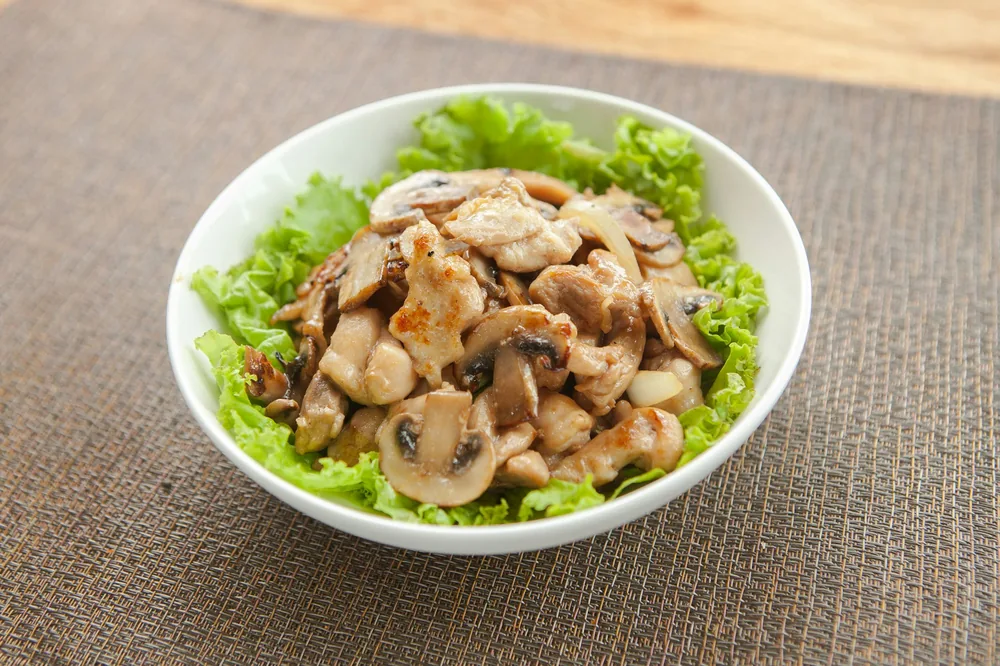
Chicken with mushroom
Earthier and more savoury than the broccoli version, with the mushrooms carrying most of the flavour.
Moo goo gai pan
The name is Cantonese for mushrooms and sliced chicken. It is a light stir fry with mushrooms and mixed vegetables in a pale sauce rather than a dark one, and it is the gentlest thing in the section.
The distinctive ones
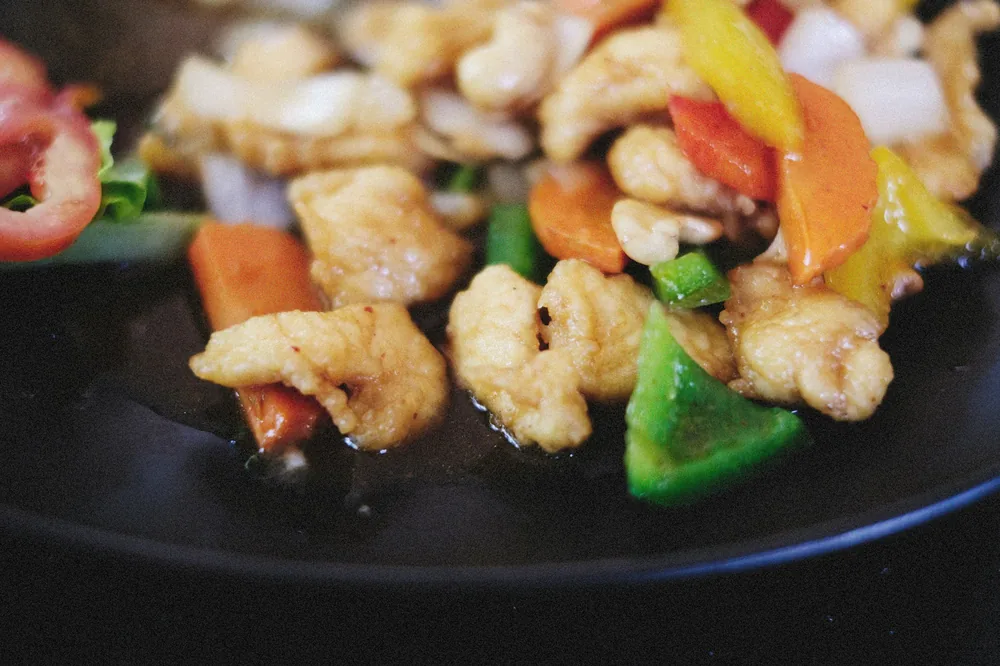
Chicken with cashew nuts
Cashews add crunch and a buttery note against the chicken. Mild, and one of the more texturally interesting dishes in the section. Obviously one to avoid if tree nuts are a concern.
Lemon chicken
Usually battered and fried, then finished with a bright lemon sauce. It sits closer to the sweet, crisp-fried family than to the stir fried dishes around it.
Chicken with black bean sauce
Built on fermented black beans, which give a deep, salty savouriness quite unlike anything else in the section. If you find most Chinese-American sauces too sweet, start here.
The spicy ones
Five dishes in this section are marked spicy on the menu, and they are worth knowing by name so you do not order one by accident.
- Chicken with garlic sauce — savoury and garlicky, and hotter than the name suggests.
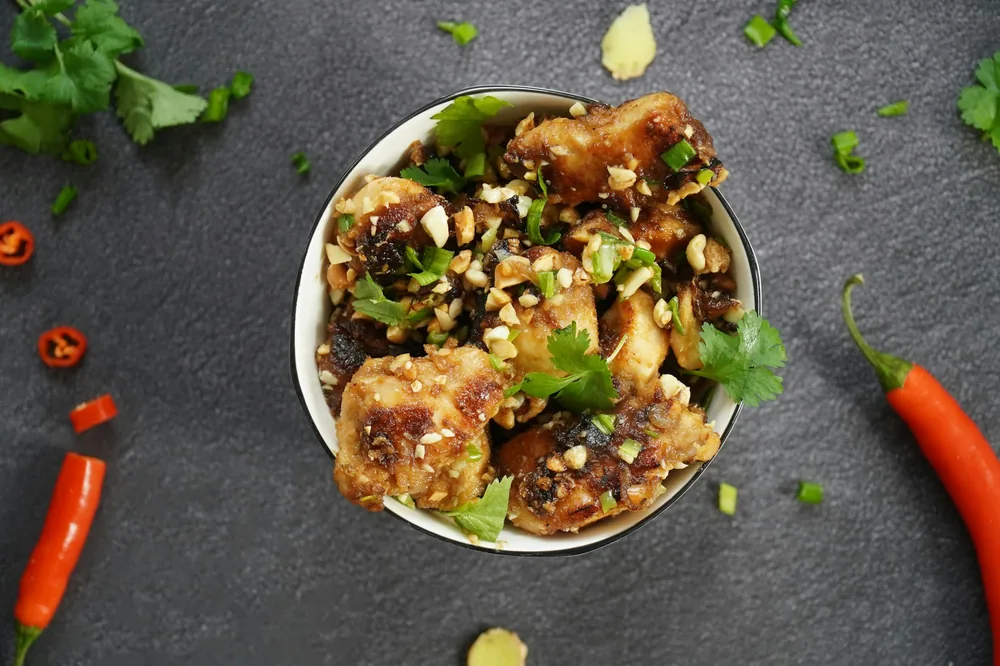
- Kung Po chicken — chilli-forward, traditionally made with peanuts.
- Chicken with curry sauce — aromatic curry spicing with some heat.
- Chicken Hunan style — direct, dry chilli heat.
- Chicken Szechuan style — chilli with the layered character of Sichuan cooking.
The whole section at a glance
| Dish | What defines it | Heat on this menu |
|---|---|---|
| Chicken with broccoli | Light brown sauce, broccoli | Not marked |
| Chicken with snow peas | Crisp snow peas | Not marked |
| Chicken with cashew nuts | Cashews for texture | Not marked |
| Chicken with mushroom | Earthy and savoury | Not marked |
| Lemon chicken | Battered, bright lemon sauce | Not marked |
| Chicken with black bean sauce | Fermented black beans, salty depth | Not marked |
| Moo goo gai pan | Mushrooms, pale sauce, light | Not marked |
| Moo shu chicken | Shredded stir fry, traditionally wrapped | Not marked |
| Chicken with garlic sauce | Savoury garlic sauce with chilli | Marked spicy |
| Kung Po chicken | Chilli, traditionally with peanuts | Marked spicy |
| Chicken with curry sauce | Curry spicing | Marked spicy |
| Chicken Hunan style | Direct chilli heat | Marked spicy |
| Chicken Szechuan style | Chilli, Szechuan style | Marked spicy |
What about General Tso’s and orange chicken?
They are chicken dishes, but they are not in the chicken section. Crisp-fried, heavily sauced dishes like General Tso’s Chicken, Orange Chicken, Sesame Chicken and Bourbon Chicken sit in the house specials section instead, because they are prepared quite differently from the stir fries above.
That is worth knowing if you scan the chicken section, do not find what you are looking for and assume the restaurant does not do it. The comparison of General Tso’s and orange chicken covers that group in detail.
Why the chicken is so tender
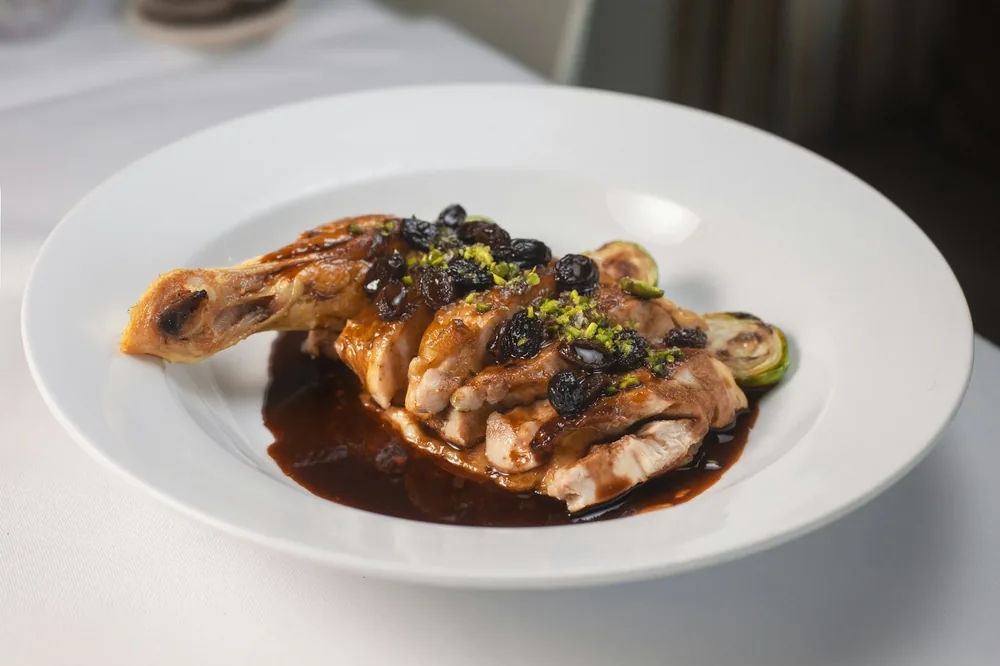
A question that comes up constantly: why does restaurant chicken have a softer, silkier texture than the same cut cooked at home? The usual answer is a preparation step called velveting, where the sliced chicken is coated before it goes into the wok so it holds moisture through very high heat.
It is a general technique across Chinese restaurant cooking rather than a claim about any one kitchen, and it is the main reason a stir fry from a takeout counter eats differently from a home version made with the same ingredients.
Chicken outside the chicken section
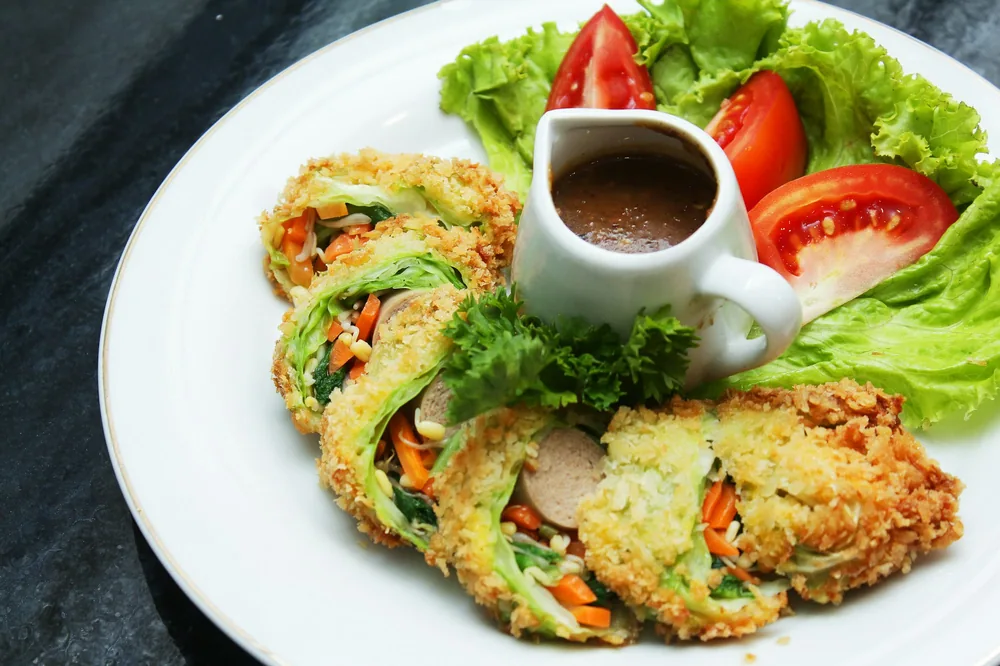
Restricting yourself to one section misses most of the chicken on the menu. It also appears in:
- House specials — General Tso’s, orange, sesame, bourbon and honey garlic chicken
- Fried rice, lo mein, chow mein, mei fun and chop suey — chicken versions of each
- Egg foo young — a chicken version alongside the others
- Sweet and sour — sweet and sour chicken
- Soups — chicken noodle, chicken rice and chicken corn
- Appetizers — chicken teriyaki and chicken nuggets
So if someone wants chicken but not a full entrée, there are lighter and cheaper routes to it than the chicken section itself.
How to choose
- Want something safe? Chicken with broccoli or moo goo gai pan.
- Want texture? Cashew nuts or snow peas.
- Want savoury rather than sweet? Black bean sauce.
- Want heat? Szechuan, Hunan, Kung Po, garlic sauce or curry.
- Want crisp and sweet? Look in the house specials section instead.
A note on the cooking
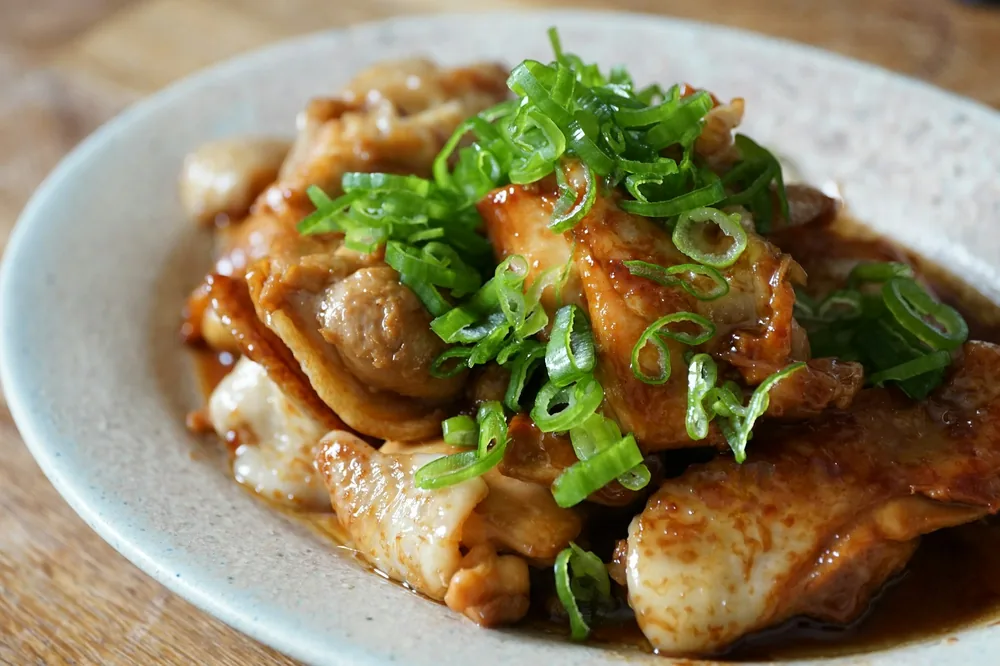
Almost everything in this section is a wok stir fry: the chicken is sliced thin, cooked fast over very high heat, and finished in a sauce. That technique is what separates these dishes from the battered, deep-fried group, and it is why they arrive lighter. The background on stir frying explains why the method changes the result so much.
Frequently asked questions
What is the mildest chicken dish on a Chinese menu?
Chicken with broccoli, chicken with snow peas, chicken with mushroom and moo goo gai pan are all mild. None of them is marked spicy on the Panda Li’s Kitchen menu.
What is moo goo gai pan?
The name is Cantonese for mushrooms and sliced chicken. It is a light stir fry of chicken with mushrooms and vegetables in a pale sauce, and it is one of the gentlest dishes in the chicken section.
Which Chinese chicken dishes are spicy?
On this menu, chicken with garlic sauce, Kung Po chicken, chicken with curry sauce, chicken Hunan style and chicken Szechuan style are all marked spicy.
Does Kung Po chicken contain peanuts?
Kung Po is traditionally made with peanuts, though preparations vary between kitchens. If anyone in your group has a nut allergy, ask the restaurant about the specific dish rather than assuming.
The bottom line
Half the chicken section is mild and vegetable-led, half is built on chilli, and the crisp-fried favourites live somewhere else entirely. Learn those three groups and the biggest section on the menu stops being intimidating.
Thirteen chicken dishes, in small and large sizes, all served with white rice.
See the chicken section