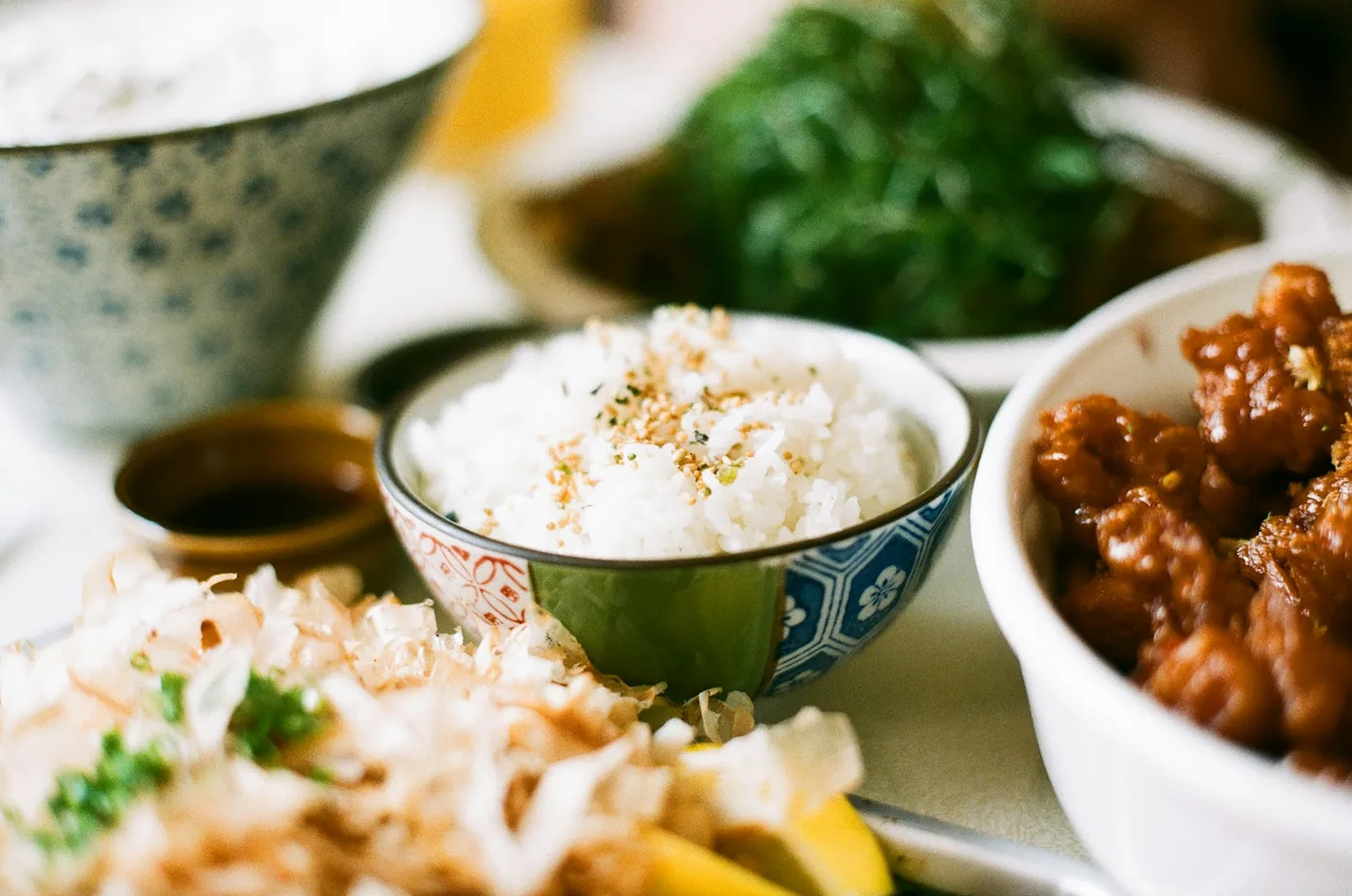
This is the most common way a Chinese takeout order goes wrong: you pick two entrées, add a large fried rice because it seems obvious, and then discover that both entrées already arrived with rice. Now you have three portions of starch and not enough of anything else.
The short answer
Most Chinese entrées already come with plain white rice. Fried rice is a separate dish you order in addition. White rice is the neutral base that soaks up sauce; fried rice is already seasoned and works better as a shared dish than as an accompaniment.
Which dishes come with rice
This is the detail worth checking before you add anything. On the Panda Li’s Kitchen menu, these sections are listed as served with white rice by default:
- Beef, chicken, pork, seafood and vegetables
- Sweet and sour
- Chop suey
- Egg foo young
- Chow mein
And these do not, because the starch is already the dish:
- Lo mein, mei fun and fried rice
- Appetizers and soups
What each one is for
White rice
Deliberately plain. Its job is to carry sauce without competing with it, which is exactly why it is the default with sauced entrées. A rich dish like Mongolian beef or General Tso’s chicken needs something neutral underneath it, and fried rice is not neutral.
Fried rice
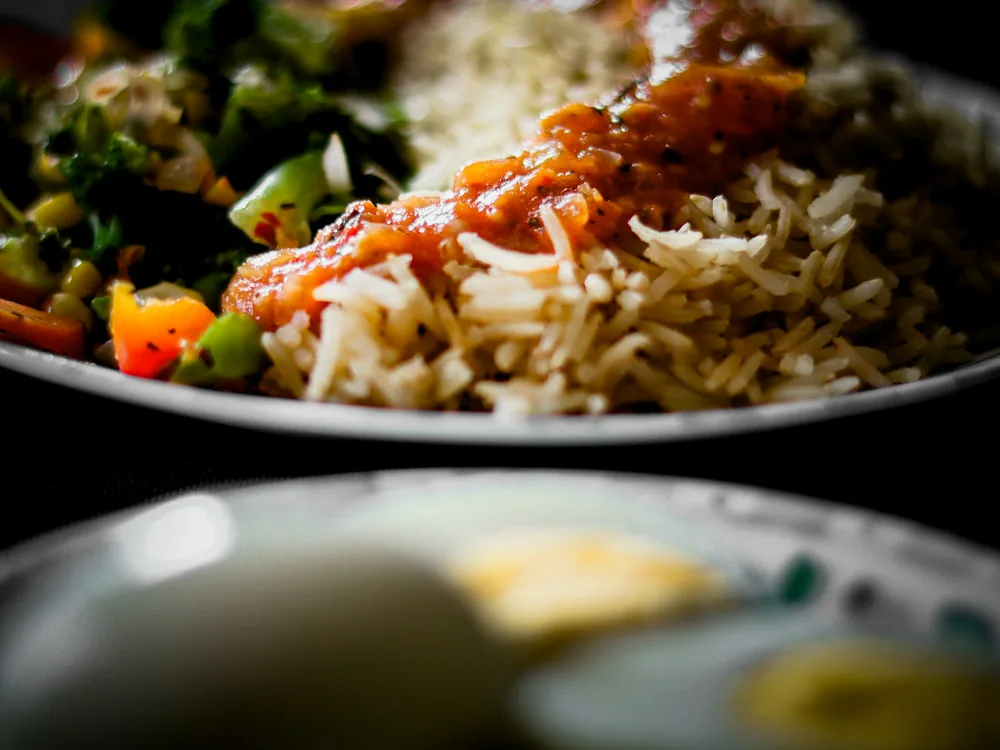
A dish in its own right: rice stir fried with egg, aromatics and a protein, seasoned throughout. It is drier and more strongly flavoured than plain rice, and it stands on its own rather than supporting something else.
Side by side
| White Rice | Fried Rice | |
|---|---|---|
| What it is | Plain steamed rice | Rice stir fried with egg and a protein |
| Usually included? | Yes, with most entrée sections | No — ordered separately |
| Seasoning | None | Seasoned throughout |
| Best with | Sauced entrées | Shared across a table, or eaten alone |
| As a meal on its own | No | Yes, particularly the house special version |
| Leftovers | Reheats fine, dries a little | Reheats well |
When to order fried rice as well
There are good reasons to add it, as long as you do so deliberately rather than by reflex.
- You are feeding a group. A large fried rice in the middle of the table does more work than an extra entrée.
- You want a meal in one container. House special fried rice has enough in it to stand alone.
- You are ordering noodle dishes. Those do not come with rice, so nothing is duplicated.
- You prefer it. Plenty of people would rather eat fried rice than plain, and swapping is often possible — ask when you order.
When to skip it
If everyone at the table is having an entrée from a section that includes rice, adding a large fried rice usually means throwing rice away. Two entrées for two people already means two portions of rice.
The exception is if you would rather eat the fried rice and leave the plain. In that case order it and treat the included white rice as a bonus rather than a mistake.
Which fried rice to choose
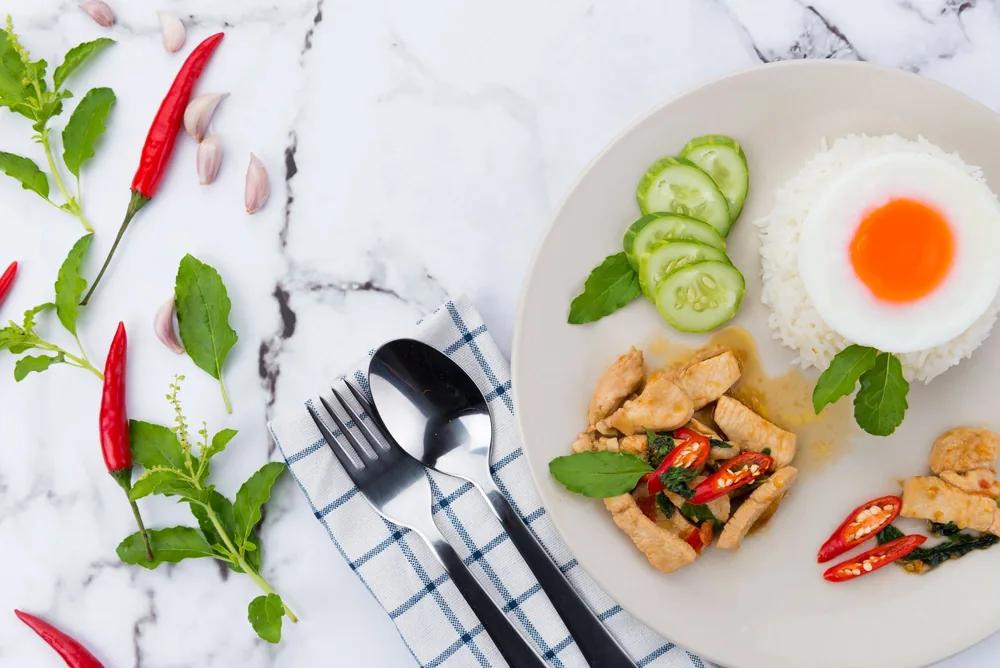
If you are ordering fried rice, the protein changes what job it can do. Pork fried rice is the traditional default and the one bundled into the dinner and lunch specials on this menu. Chicken and shrimp versions are straightforward. Vegetable fried rice is the lightest and pairs best alongside several other dishes.
House special fried rice combines more than one protein, which makes it substantial enough to be dinner rather than a side. For larger groups, this menu also lists Family Fried Rice by the half gallon and gallon.
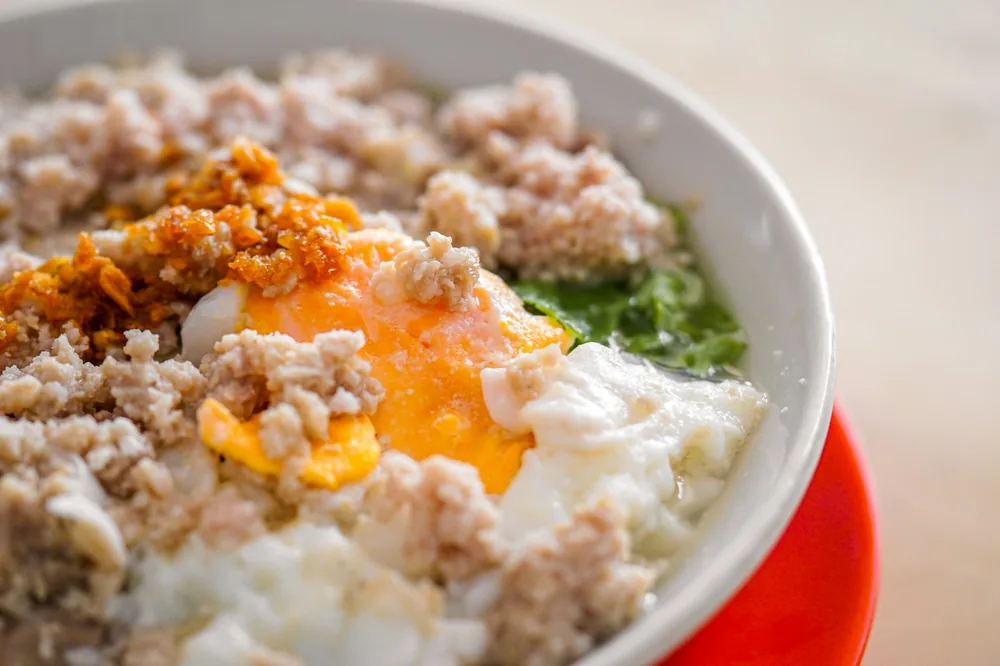
The mistake in numbers
It is worth seeing how quickly the starch adds up, because the individual decisions all look reasonable on their own.
| Order | Rice included | Rice added | Total portions |
|---|---|---|---|
| Two entrées, no extras | 2 | 0 | 2 |
| Two entrées plus a large fried rice | 2 | 2 | 4 |
| Two entrées, a fried rice and a lo mein | 2 | 2 plus noodles | 4 plus noodles |
| Two dinner specials | 2 pork fried rice | 0 | 2 |
The third row is the one that catches people out most often, and it is the most common Friday-night order there is. Two entrées, a rice and a noodle dish for two people is roughly double the starch anyone will eat.
How much rice is enough
A single included portion suits one person eating one entrée. If two people are sharing one entrée, ordering an extra rice is easier than dividing what arrives. For a table of four with three entrées, the three included portions are usually enough without adding a fried rice as well — unless you actively want it as a dish.
A note on the rice itself
Fried rice is traditionally made with rice cooked in advance and cooled, because freshly steamed rice holds too much moisture to fry cleanly. Cooked rice is also one of the foods public-health agencies single out for careful cooling and storage, which the USDA National Agricultural Library covers if you keep leftovers.
Frequently asked questions
Does Chinese food come with rice?
It depends on the section. On the Panda Li’s Kitchen menu the beef, chicken, pork, seafood, vegetable, sweet and sour, chop suey, chow mein and egg foo young sections are all listed as served with white rice by default. Noodle dishes are not, because the noodles are the dish.
Can I swap white rice for fried rice?
Many restaurants allow it, sometimes for a small extra charge. This menu notes a More Options selection on several sections, so it is worth asking when you order.
Is fried rice a side dish or a main?
Either. The single-protein versions work well as a shared side; the house special version has enough in it to eat as a meal on its own.
How much rice comes with an entrée?
Usually a single portion sized for one person. If you are sharing one entrée between two people, ordering an extra rice is usually easier than splitting what comes with it.
The bottom line
Check what your entrée already includes before adding rice. Plain white rice comes with most sections and exists to carry sauce; fried rice is a dish in its own right and earns its place when it is feeding a table or standing alone.
If you are choosing between rice and noodles more broadly, the comparison of fried rice and lo mein covers that.
Seven fried rice options, including family sizes for larger groups.
See the fried rice section