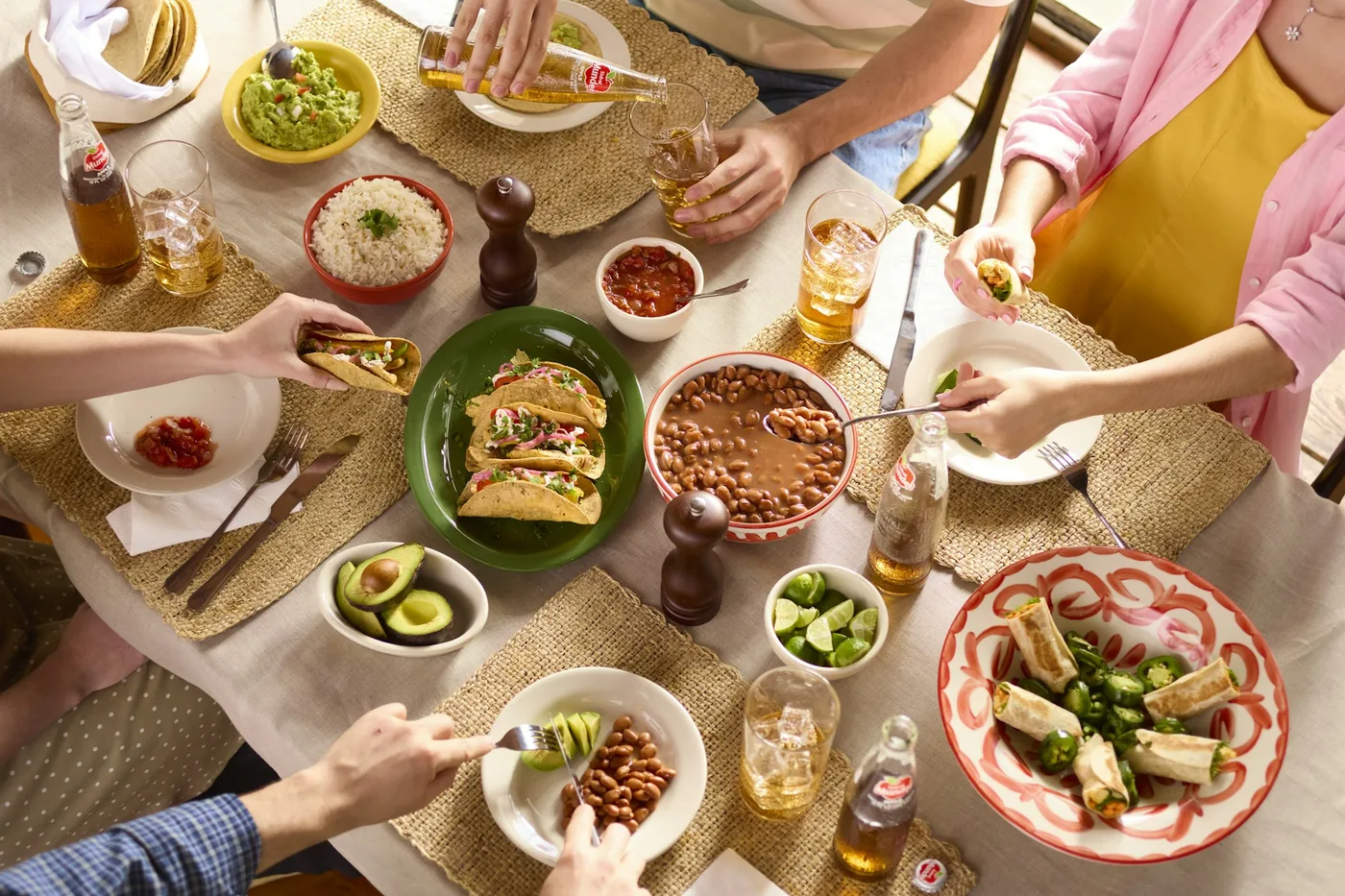
Chinese food is designed to be shared, which is exactly why people get the quantities wrong. Ordering one entrée per person the way you would order one main each at a Western restaurant reliably produces more food than anyone can eat.
The short answer
For family-style sharing, plan on roughly one entrée for every one to two people, plus one shared rice or noodle dish for the table. Two people usually want two dishes total; four people want three or four; six people want four or five plus a large shared rice.
Start with the sizes, not the dish count
Before counting dishes, look at whether the menu offers small and large portions. That single detail changes the maths more than anything else, and most people ignore it.
A small entrée is roughly one person’s serving. A large is closer to two. So four people do not need four large entrées — they need two or three larges, or a mix of larges and smalls depending on appetite.
A simple table to order from
| People | Entrées | Rice or noodles | Appetizers | Soup |
|---|---|---|---|---|
| 1 | 1 small | Included with most entrées | Optional | Small, optional |
| 2 | 2 small or 1 large | 1 small shared | 1 to share | 1 small each |
| 3–4 | 2–3 large | 1 large shared | 1–2 to share | 1 large shared |
| 5–6 | 3–4 large | 1–2 large shared | 2 to share | 1–2 large |
| 7–10 | 5–6 large | Family size | 2–3 to share | 2 large |
Do not forget what already comes with the dish
This is where over-ordering usually happens. On the Panda Li’s Kitchen menu, several sections — beef, chicken, pork, seafood, vegetables, sweet and sour, chop suey and egg foo young — are listed as being served with white rice by default. The chow mein section is listed the same way.
If you order four entrées from those sections and then add a large fried rice and a large lo mein on top, you have ordered a great deal of starch. Check what is included before you add extras.
Ordering for a group
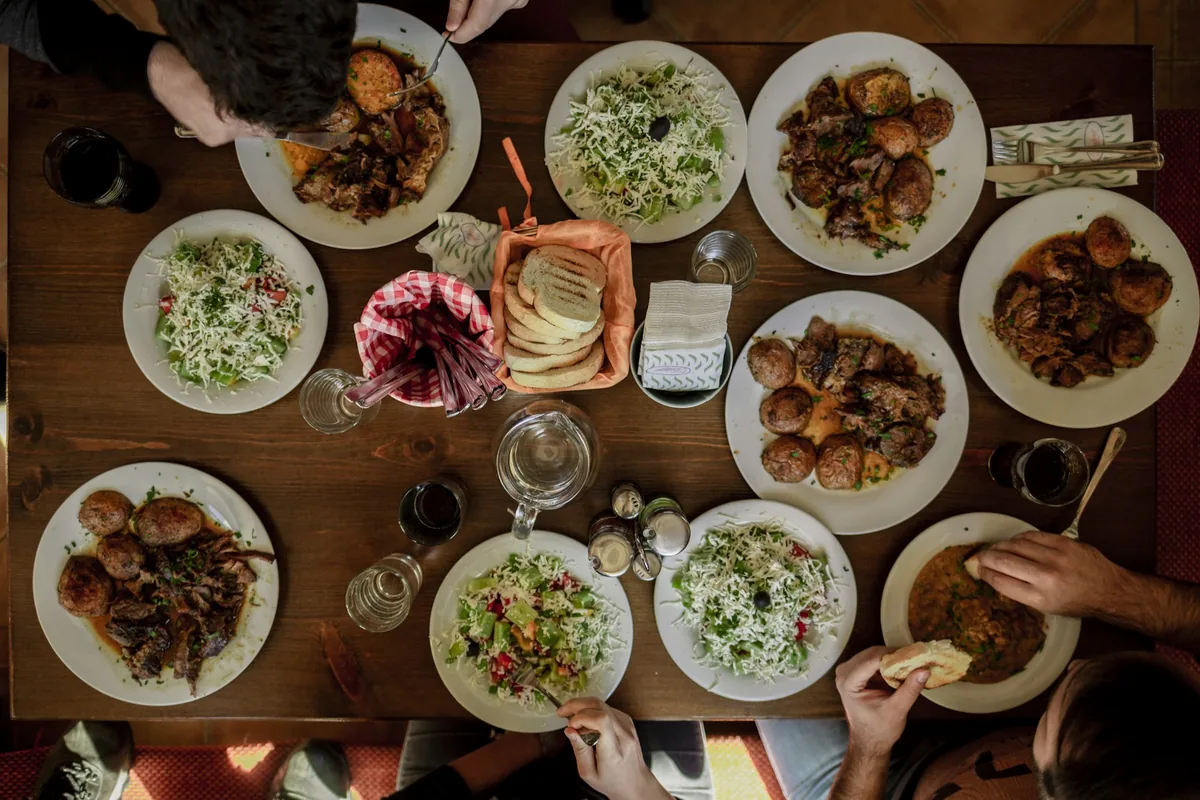
Groups of six or more work differently. Rather than scaling up the number of individual entrées, build the order around one substantial shared base and let the entrées provide variety.
- Start with the base. One large fried rice, or family sizing if the menu offers it.
- Add variety, not volume. Four or five different entrées beats seven of the same kind of thing.
- Cover the range. One chicken, one beef, one seafood or pork, one vegetable. That way everyone finds something.
- Balance sauce. If two dishes are heavily sauced, make the next one drier.
- Add appetizers last. Two or three shared plates, not one per person.
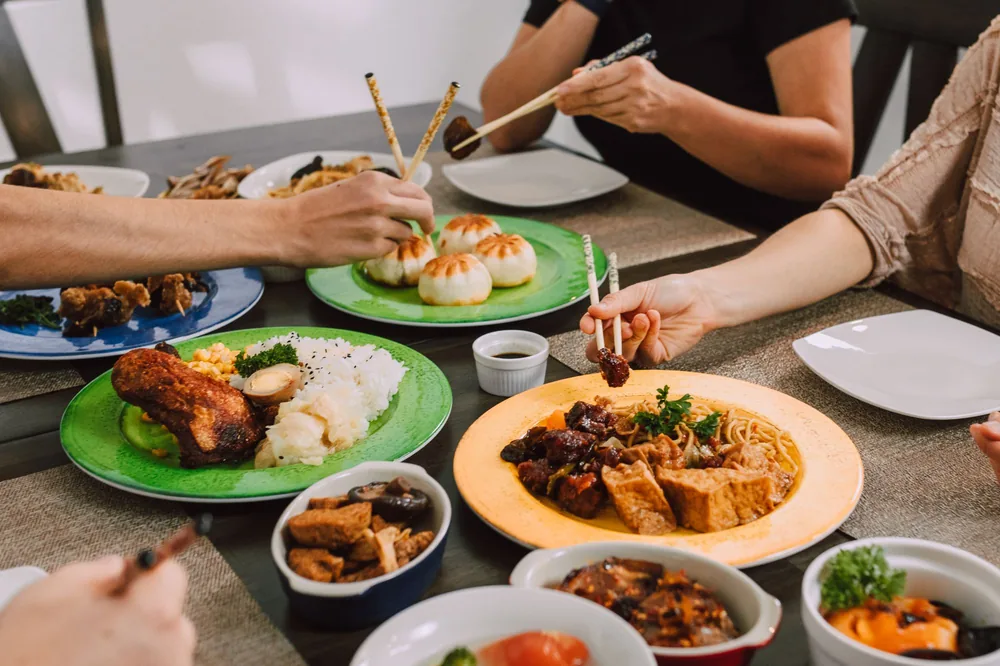
Quantities are only half of a large order. Organising a group order covers collecting everyone’s choices and getting it through the kitchen in one piece.
Ordering for one person
Most of this guide is about tables, but a single order has its own logic. The mistake here runs the other way: people under-order the main dish and over-order the extras.
One entrée is genuinely enough for one person, particularly from a section that comes with white rice. Adding a soup and an appetizer to that turns a meal into three courses of takeout, which is usually more than anyone finishes.
- A simple dinner for one: one small entrée, which arrives with rice.
- A more generous one: one large entrée, with the second half kept for the next day.
- If you want a starter: a small soup, not a soup and an appetizer.
How to avoid the classic mistakes
- Ordering one entrée per head. The single most common cause of too much food.
- Adding rice you already have. Check the menu notes first.
- Ordering four sauced dishes. The meal ends up tasting the same all the way through.
- Forgetting the appetizers count. Two shared appetizers take the edge off appetites more than people expect.
- Over-ordering soup. A large soup is a shared course, not a starter each.
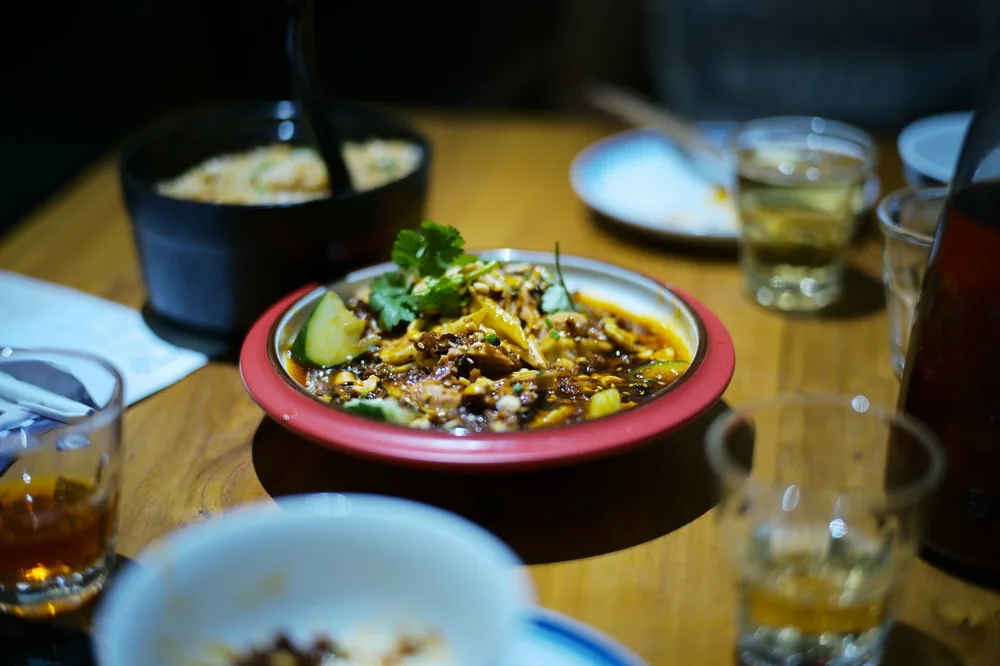
Ordering for a crowd
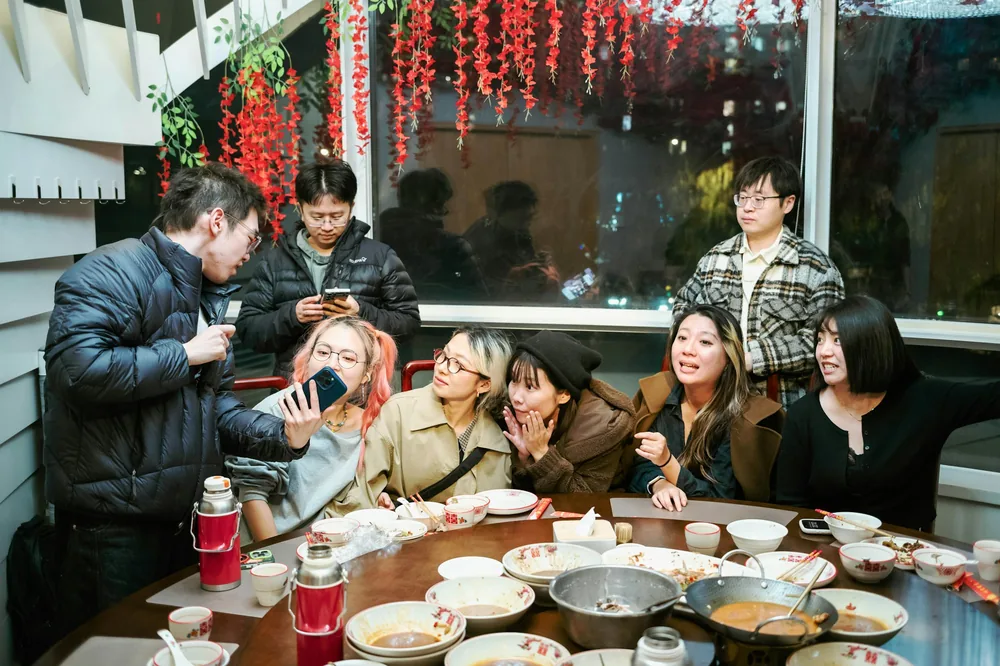
For a party, a team lunch or anything past ten people, individual entrées stop being the right unit. The fried rice section at Panda Li’s Kitchen lists Family Fried Rice by the half gallon and by the gallon, which is a far more sensible base for a large group than stacking up large orders.
Build outward from there with three or four large entrées from different sections of the menu, and add a shared platter or two from the appetizer list.
A note on portions and nutrition
Restaurant portions vary widely between kitchens, and a large entrée at one restaurant is not the same as a large somewhere else. If you are tracking intake precisely, the USDA National Agricultural Library food composition resources are the reference point rather than restaurant menu descriptions.
Frequently asked questions
How many entrées should I order for four people?
Three to four entrées plus one shared rice or noodle dish works well for four adults eating family style. If you are also ordering appetizers or soup, three entrées is usually enough.
What is the difference between a small and a large entrée?
A small is roughly a single serving. A large is closer to two servings and is the size to order when the dish is going into the middle of the table to share. Most entrées on this menu come in both.
Do I need to order rice separately?
It depends on the dish. Several sections of the Panda Li’s Kitchen menu — including beef, chicken, seafood, vegetables, sweet and sour, chop suey and egg foo young — are listed as served with white rice by default. Noodle dishes are not, because the noodles are the dish.
How much food do I need for a party of ten or more?
At that size, look for family or party sizing rather than counting individual entrées. This menu lists Family Fried Rice by the half gallon and gallon, which is a more sensible base for a crowd than several large orders.
The bottom line
One dish per one to two people, one shared starch, and a check of what already comes with rice. That covers most orders. Scale by variety rather than by volume, and you will end up with a better meal and less waste.
If you are still deciding what that shared starch should be, the comparison of fried rice and lo mein is the place to start.
Planning an order for a group? Sizes and family options are listed on the full menu.
See the full menu