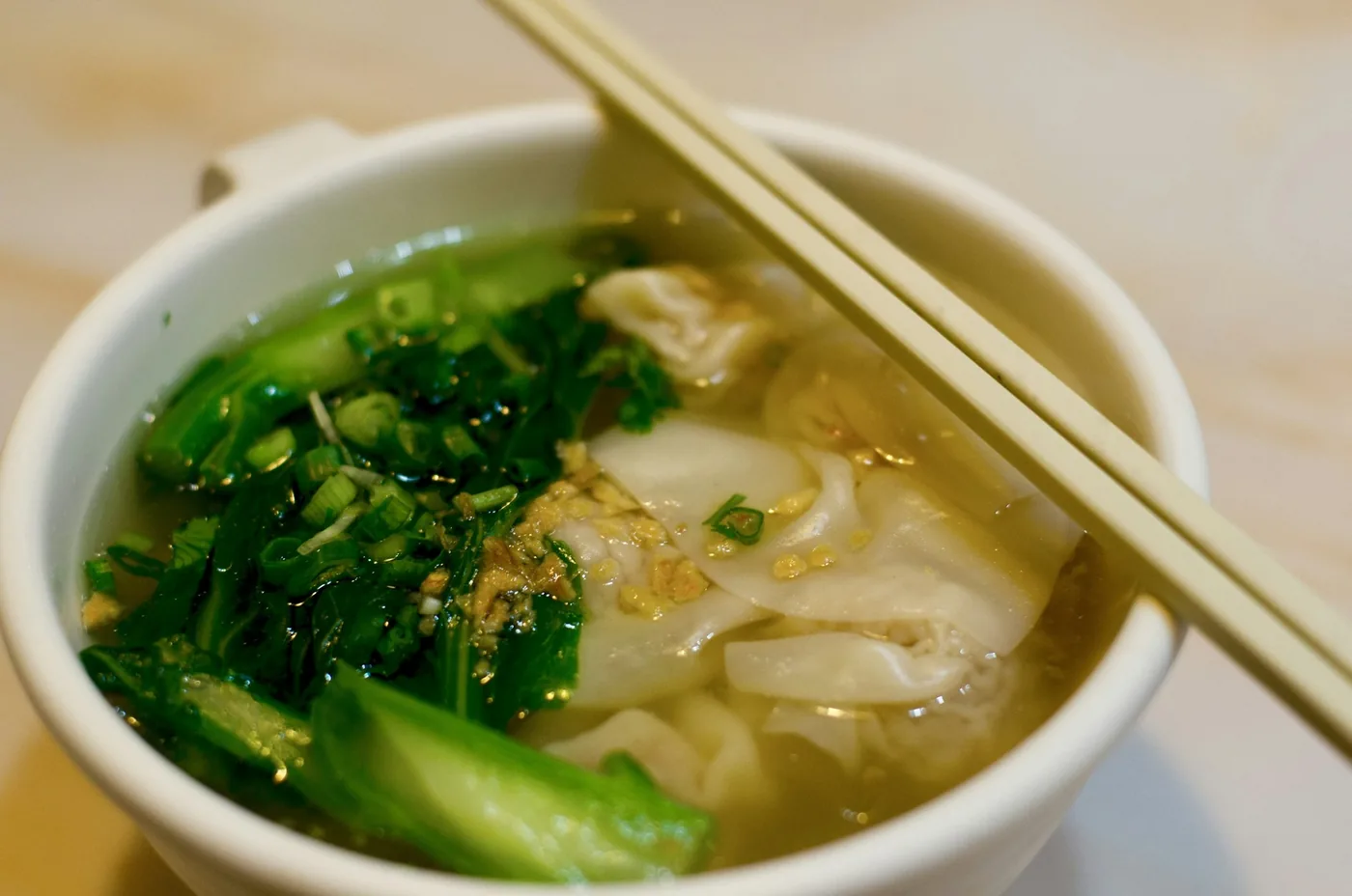
The soup section is the first thing on most Chinese menus and the part people skim past fastest. That is a shame, because the three most common options are genuinely different from each other, and picking the right one changes how the rest of the meal eats.
The short answer
Wonton soup is dumplings in clear broth. Egg drop soup is a thickened savoury broth with ribbons of cooked egg. Hot and sour soup is a darker, thicker soup built on vinegar and white pepper. Wonton is the most substantial, egg drop is the mildest, and hot and sour is the most assertive.
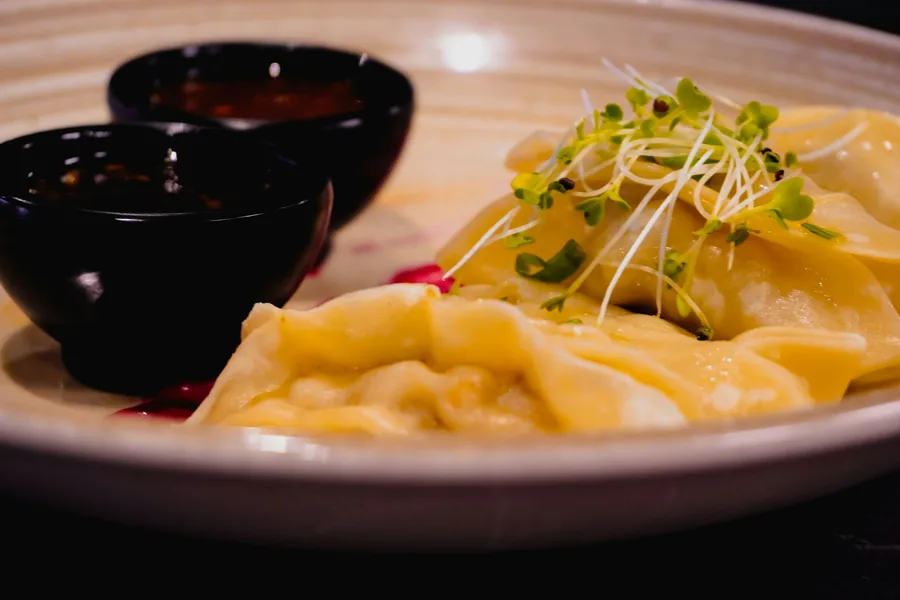
Wonton soup
Small dumplings, usually filled with seasoned pork, served in a clear savoury broth. The broth is deliberately plain so that the wontons carry the flavour. Some kitchens add greens or scallion; most keep it simple.
It is the most filling of the three because you are eating dumplings as well as drinking broth. If soup is going to be a meaningful part of your meal rather than a small starter, this is the one.
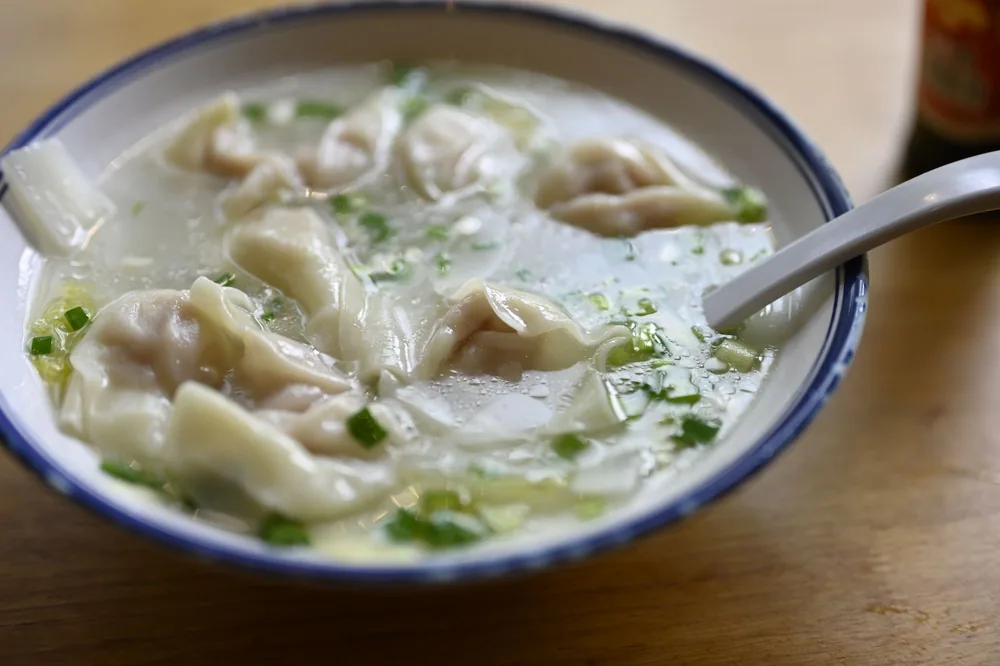
Egg drop soup
A savoury broth, lightly thickened, with beaten egg stirred in at the end so it sets into soft ribbons. The texture is the point: silky rather than brothy, with very little competing flavour.
It is the mildest thing in the soup section and the most reliable order for a table that includes children or anyone who does not want a strong flavour before their main dish arrives.
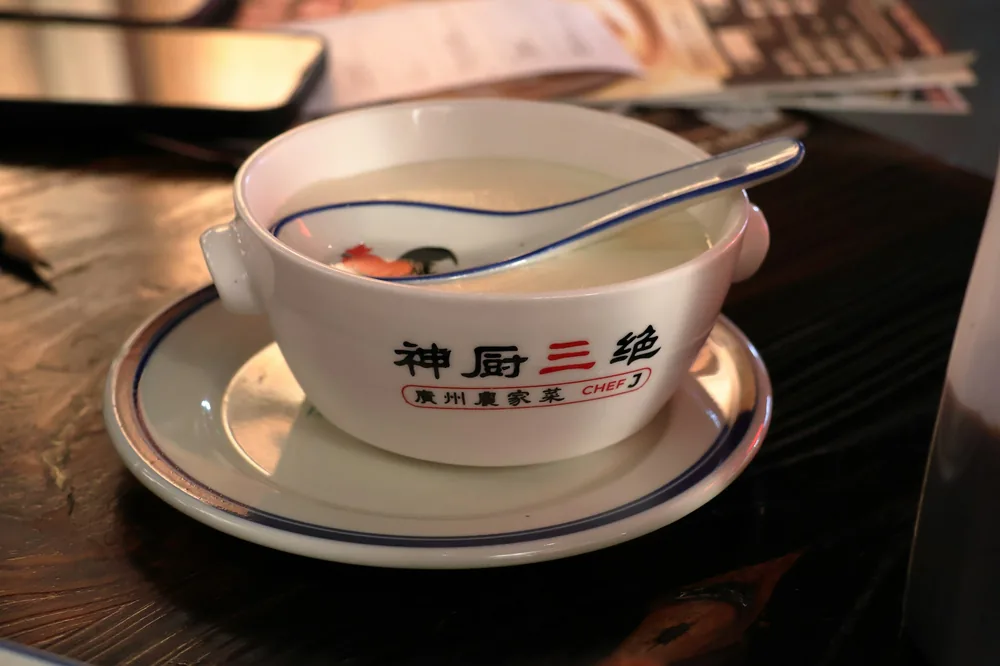
Hot and sour soup
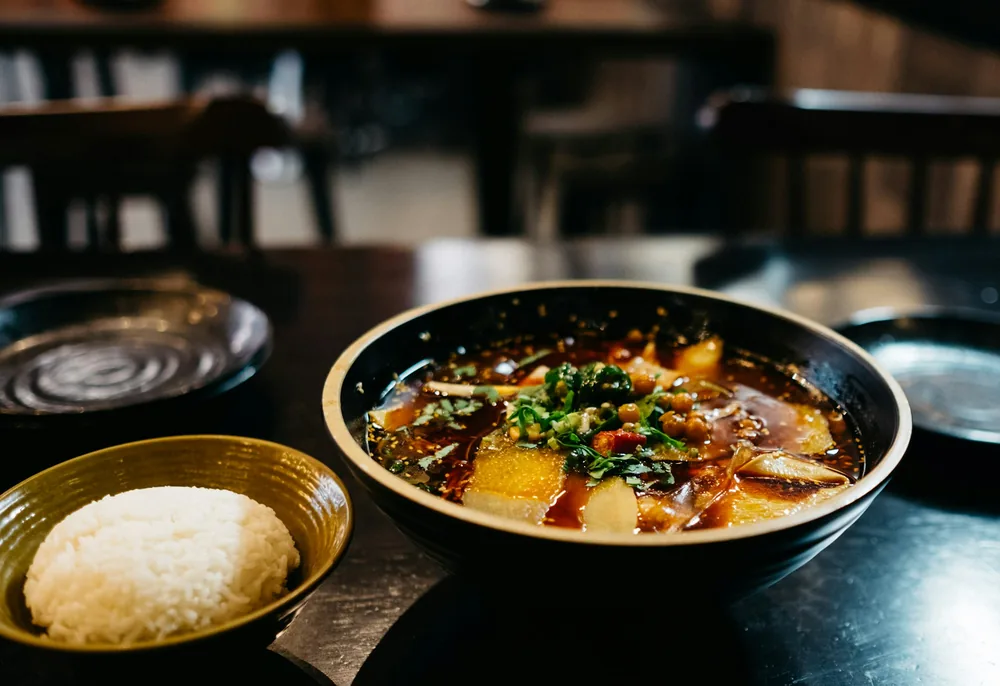
The most distinctive of the three: a darker, thicker soup with a pronounced sour edge from vinegar and a warmth that usually comes from white pepper rather than chilli. Typical additions include tofu, bamboo shoots and mushrooms.
The name sets up the wrong expectation for a lot of people. It is generally more sour than hot, and the heat that is there is a slow warmth rather than a sharp burn. It is a strong flavour to lead with, so it works best when your main dishes are on the milder side.
Comparing the three
| Wonton Soup | Egg Drop Soup | Hot & Sour Soup | |
|---|---|---|---|
| Broth | Clear and light | Lightly thickened, silky | Thicker and darker |
| Main event | Filled dumplings | Egg ribbons | Tofu, mushrooms, bamboo shoots |
| Flavour | Mild and savoury | Very mild | Sour, peppery, savoury |
| Heat | None | None | Gentle warmth from white pepper |
| How filling | The most filling | Light | Moderate |
| Order it when | Soup is part of the meal | You want something gentle first | You want a bold starter |
Which soup goes with which meal
- Ordering fried, sauced dishes such as sweet and sour or a crisp-fried chicken? Egg drop keeps the start of the meal light.
- Ordering mild stir fries such as chicken with broccoli or moo goo gai pan? Hot and sour adds contrast the rest of the meal will not.
- Soup is the meal? A large wonton soup does more work than the other two.
- Feeding a table with mixed tastes? Egg drop is the least likely to be refused.
Finding them on the menu
All of these sit together in the soup section of the menu. If you are building a fuller starter course, the appetizer section pairs naturally with a soup — a small soup and something from the appetizer list is a common way to start.
Worth noting for anyone ordering a set meal: the dinner specials on this menu are listed as coming with pork fried rice and either an egg roll or soup, so you may already have a soup included without ordering one separately. The dinner specials section spells out what each one includes.
Where hot and sour soup comes from
Hot and sour soup is usually traced to Sichuan and Beijing cooking, where sour and peppery flavours are long established, and the version that reached American menus is a Cantonese-influenced adaptation. The background on hot and sour soup covers the regional variations, which differ more than most people expect.
The rest of the soup section
Beyond the big three, most menus carry several more soups that are worth knowing about, particularly if you are ordering soup as a meal rather than as a starter.
- Wonton egg drop soup — exactly what it sounds like: wontons in a broth finished with egg. It is the most substantial option for anyone who cannot choose between the first two.
- Chicken noodle and chicken rice soup — mild, familiar, and the gentlest things on the list. Often the right call for someone who is unwell or simply wants something plain.
- Chicken corn soup — thickened and slightly sweet from the corn. Popular with children.
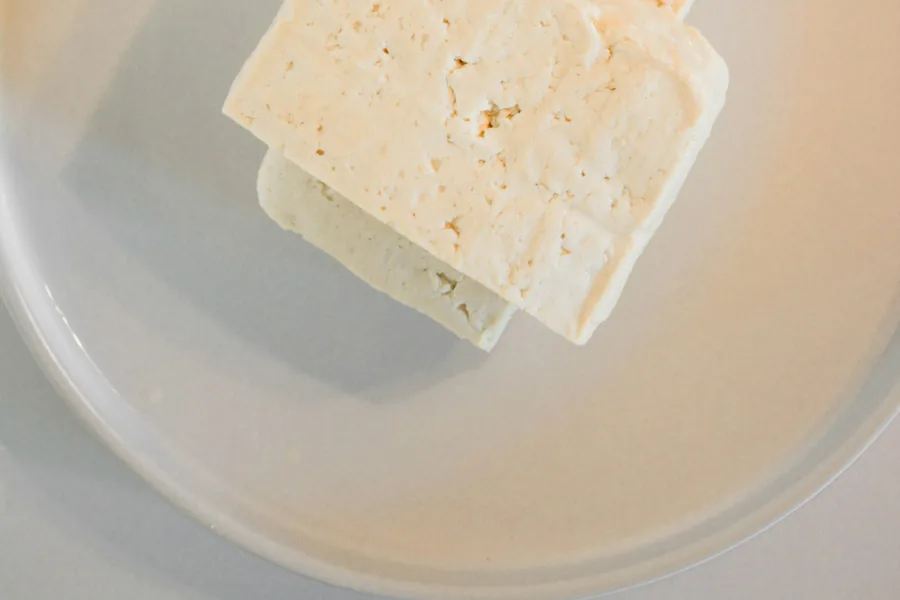
- Vegetable bean curd soup — a lighter broth with tofu and vegetables, and the usual choice for a meat-free starter.
- House special soup — typically combines more than one protein, and is the most substantial soup on most menus.
Small or large?
Soup sizing catches people out more than entrée sizing does. A small is a starter for one person. A large is a shared course for a table, or a light meal by itself — not simply a bigger cup for one.
If you are ordering for two and want soup to start, two smalls generally works better than one large, because the large arrives as a single container to divide. For four or more, one or two larges shared around the table is the more practical route.
Frequently asked questions
Which Chinese soup is the mildest?
Egg drop soup. It is a light, savoury broth thickened slightly and finished with beaten egg, with no chilli and no vinegar. It is usually the safest choice for children and for anyone who wants something gentle.
Is hot and sour soup very spicy?
It is more sour than hot in most kitchens. The heat generally comes from white pepper rather than chillies, which gives a warmth at the back of the throat rather than a burn on the tongue. Levels do vary, so ask if you are sensitive.
What is the difference between wonton soup and wonton egg drop soup?
Wonton soup is dumplings in a clear broth. Wonton egg drop soup combines the two ideas: the same dumplings, in a broth finished with beaten egg. It is a common menu item and appears on the Panda Li’s Kitchen soup list.
Should I order soup by the small or large?
A small is a starter for one or two people. A large is closer to a shared course for a table, or a light meal on its own. Most soups on the menu come in both sizes.
The bottom line
Want something filling? Wonton. Want something gentle? Egg drop. Want a soup with real character? Hot and sour. The mistake is treating them as interchangeable and ordering whichever is listed first.
Nine soups, most available in small and large sizes.
View the soup section